
RESEARCH & DEVELOPMENT AT ESA: FROM ADVANCED TECHNOLOGIES TO SPACE MISSIONS

Seminar

May 4, 2026, from 12:30 till 14:00 pm - Classroom 0.1, Building B8, Politecnico di Milano, Campus Bovisa, Via Candiani, 72 - Milano (MI)

This lecture provides an overview of research and development activities at the European Space Agency (ESA), highlighting how advanced technologies are conceived, matured, and integrated into space missions.
The presentation introduces ESA’s role as a driver of innovation in Europe, with a focus on the development of cutting-edge solutions in structures, materials, and mechanical systems.

Key topics include the end-to-end R&D process - from early-stage concepts and technology readiness levels to in-orbit validation - as well as the collaboration between ESA, industry, and academia.
Particular emphasis is placed on current challenges and emerging trends, such as lightweight and multifunctional structures, advanced manufacturing, digitalisation, and sustainability in space systems.

Through selected examples and case studies, the lecture illustrates how research activities translate into real mission capabilities, enabling future exploration and commercial opportunities.
The session aims to provide students with a comprehensive understanding of ESA’s innovation ecosystem and to highlight potential pathways for contributing to the future of space engineering.

Speaker

Tiziana Cardone is Head of the Structures Section at the European Space Agency (ESA), where she leads activities that ensure satellites and spacecraft can withstand the harsh environment of space while supporting Europe’s most ambitious missions. A mechanical engineer by training, she studied in Naples, at the university “Federico II”, and gained international experience in Belgium, Germany and the aerospace industry before joining ESA in 2010.
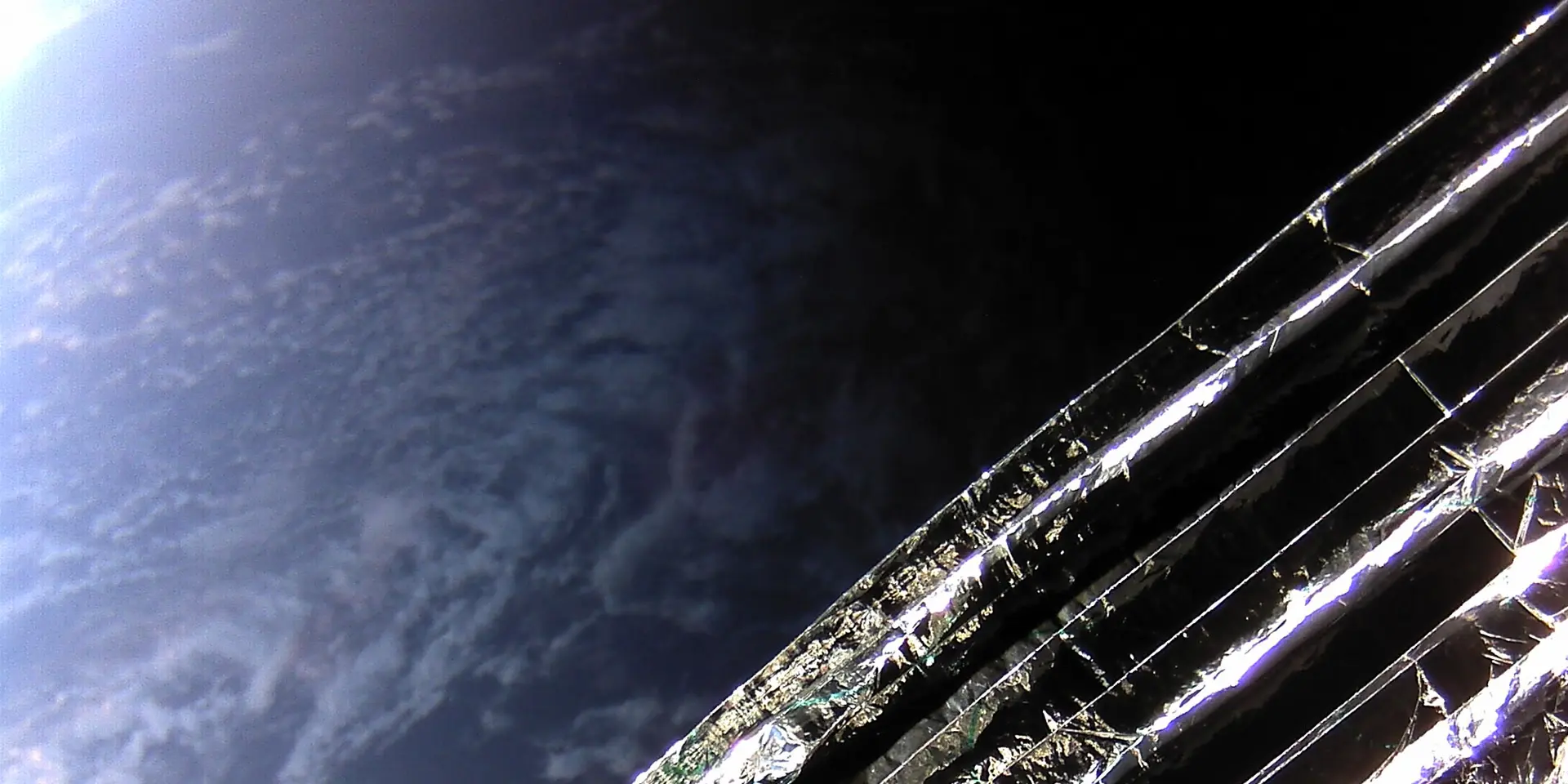
At ESA, she has worked on several flagship satellites of the European Copernicus programme, including Sentinel-2, LSTM and CRISTAL. She coordinates research and development in space structures, with a strong focus on sustainability. She initiated the development of ADEO, a European “drag sail” that helps satellites in low Earth orbit to re-enter the atmosphere more quickly, reducing the problem of space debris — a technology now successfully demonstrated in orbit.
Tiziana Cardone is also pursuing a PhD at TU Delft on hypervelocity impacts in space, studying how debris fragments collide with satellites and how to design future spacecraft to be more resilient.

Photo: ESA/HTS

29-04-2026

Condividi su: