
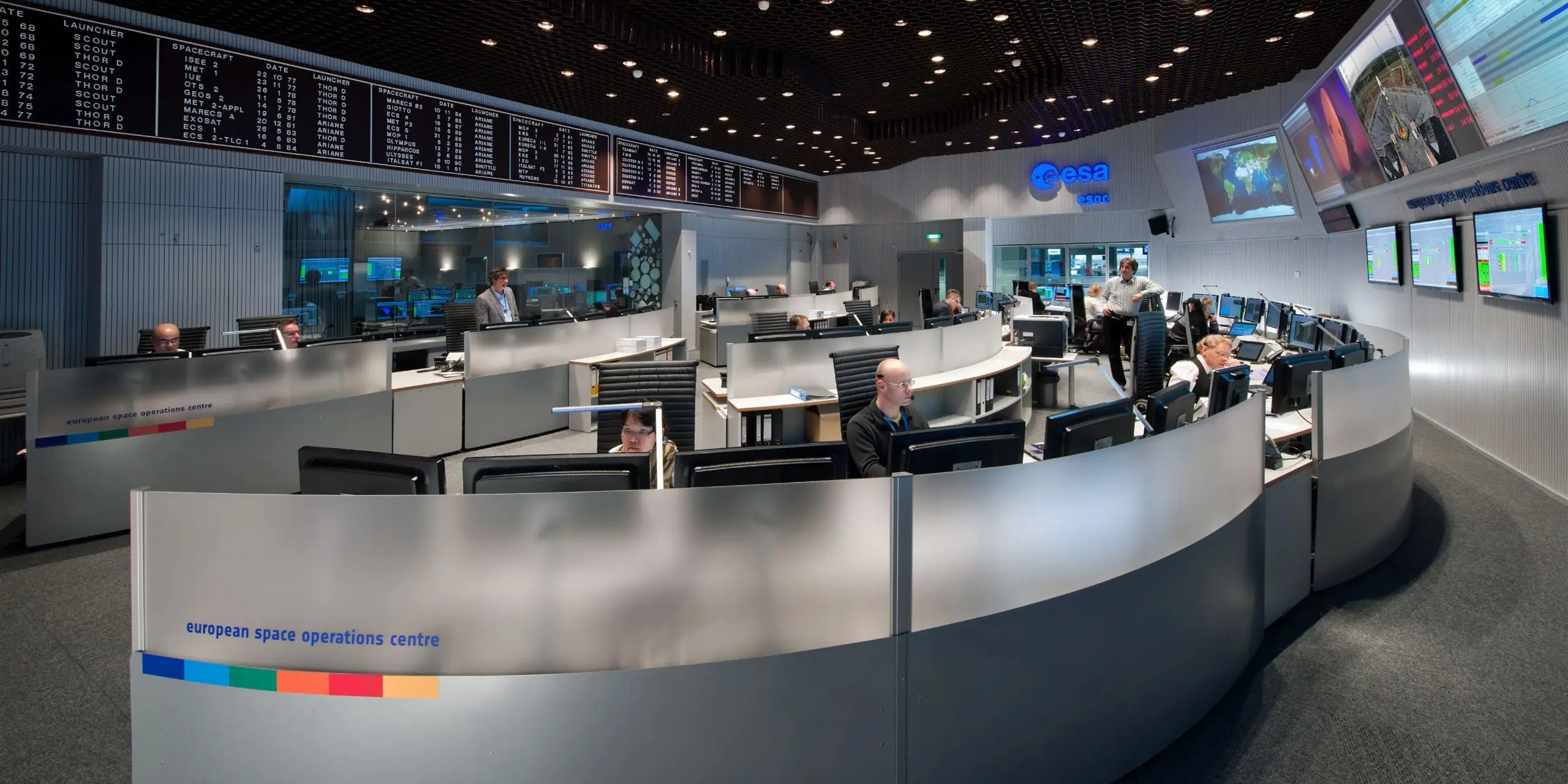
Running a spacecraft is as much about people and decisions as it is about technology.
This seminar, closing the PhD course "Spacecraft Operations", offers a first-hand perspective on what it takes to operate a mission from mission control, drawing on decades of experience at the helm of some of ESA's most demanding operations.
The talk will span the diversity of mission types and the operational challenges specific to each, before turning to the most critical phase of a mission's life: Launch and Early Orbit Phase, where flight rules and rapid, well-structured decision-making determine whether a mission succeeds.
The seminar will also explore the human side of operations: how mission control teams organise, communicate, and make decisions together under both routine and emergency conditions.
Real cases from ESA missions will be used throughout to illustrate how these principles play out in practice.
Speaker:
Paolo Ferri studied theoretical physics at the University of Pavia. In 1984 he joined the European Space Agency as visiting scientist on the ExoSat X-ray astronomy mission, at the European Space Operations Centre (ESOC) in Germany. He soon moved to the field of mission operations, working on the Eureca microgravity mission. He led the operations teams of Cluster, Rosetta, and Venus Express, and ground segment manager for Mars Express, Exomars, BepiColombo and Solar Orbiter. From 2013 to 2020 he was head of ESA’s mission operations department, responsible for the ground segment and operations of all ESA’s robotic missions. He is currently active in training, education and outreach in the field of space operations and space science and technology.
Free admission, open to all members of the university community and the public, subject to availability.
ph credits: ESA/J. Mai - ESA standard license
17.07.2026