FLIGHT TESTING EDUCATIONAL ACTIVITIES WITH LEONARDO, PIPISTREL AND THE ITALIAN NAVY

During May and June 2026, the Flight Testing course of the M.Sc. in Aeronautical Engineering at Politecnico di Milano once again offered students a unique programme of hands-on flight test activities through long-standing collaborations with Leonardo Helicopters, Leonardo Aeronautics, Pipistrel, and the Italian Navy.

The practical programme consisted of four complementary campaigns, allowing students to experience flight testing across different aircraft categories and operational environments, from certified civil helicopters and fixed-wing aircraft to advanced military simulation.

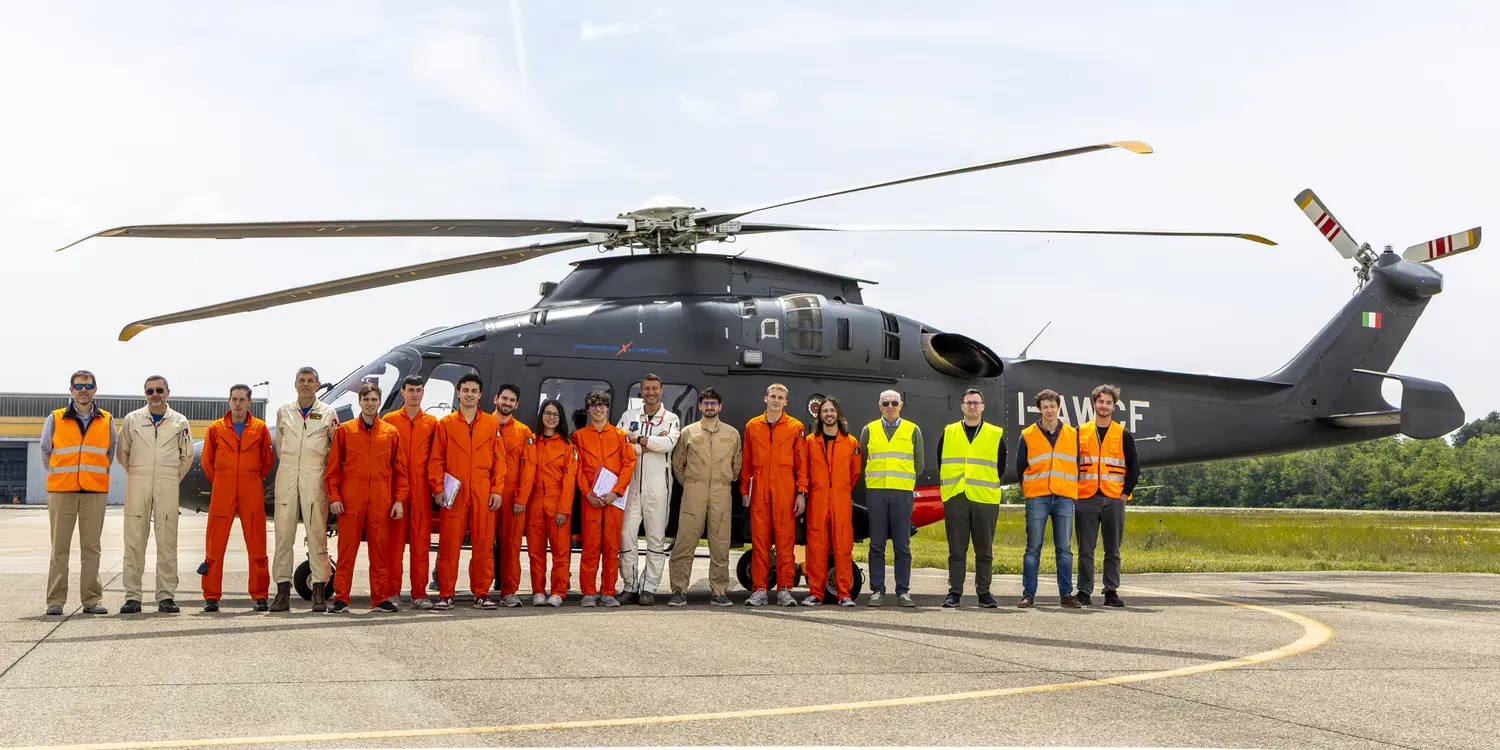
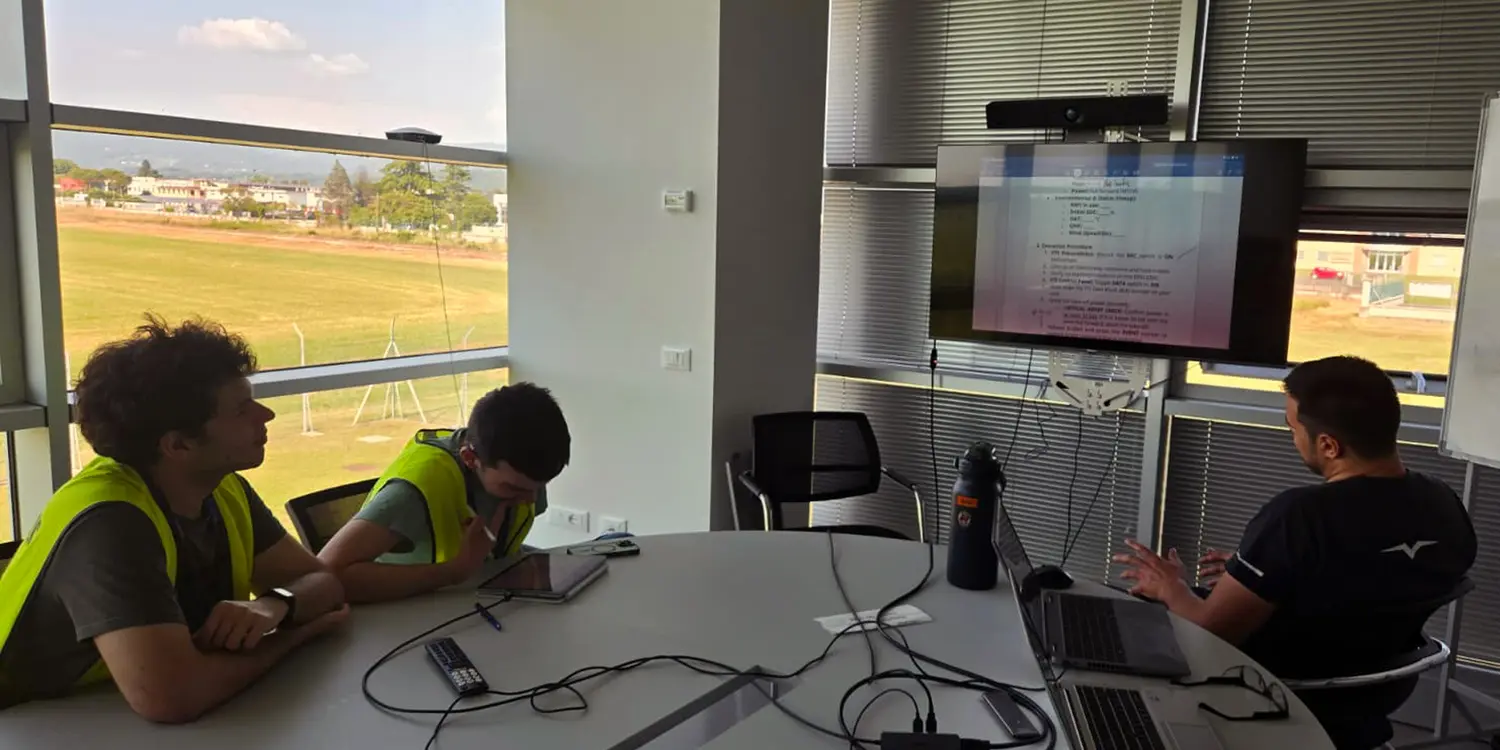
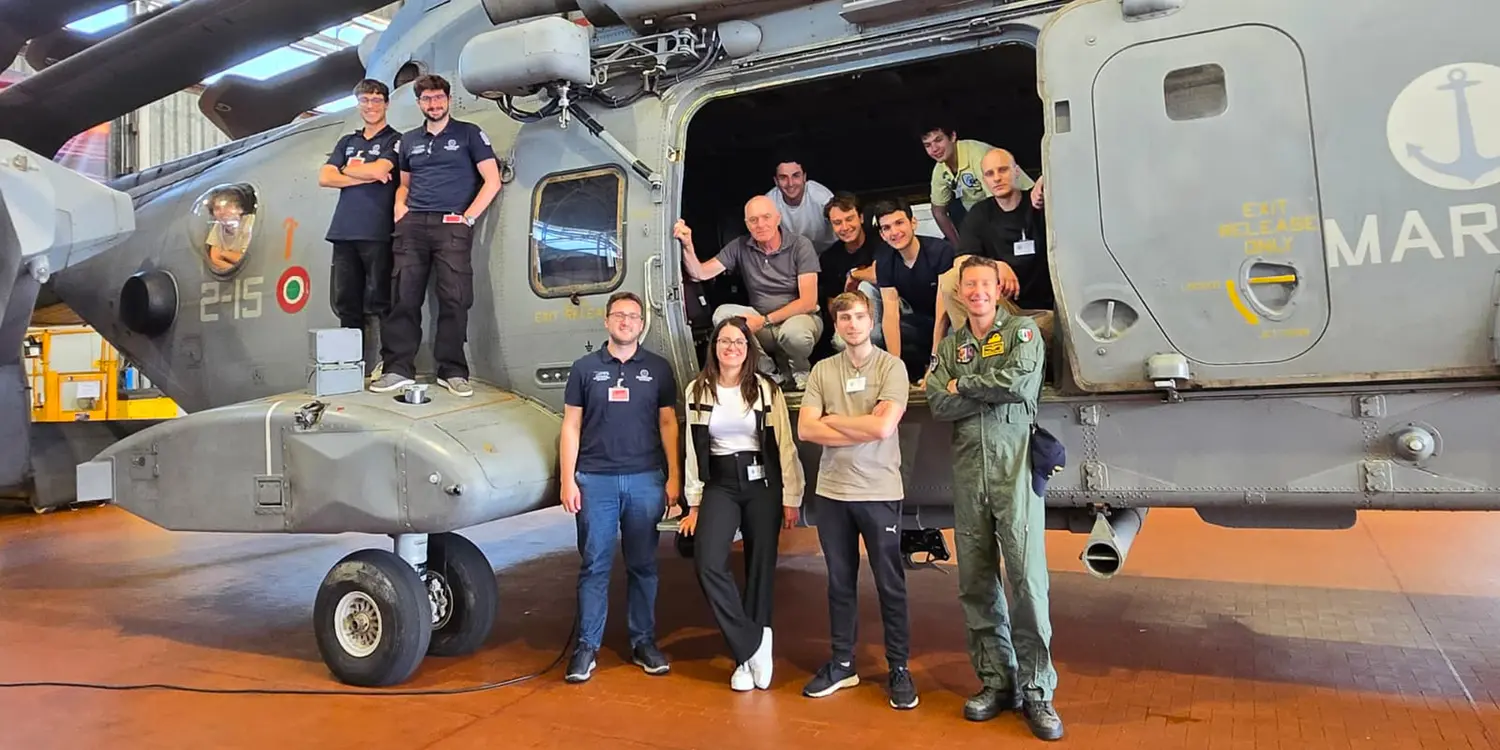
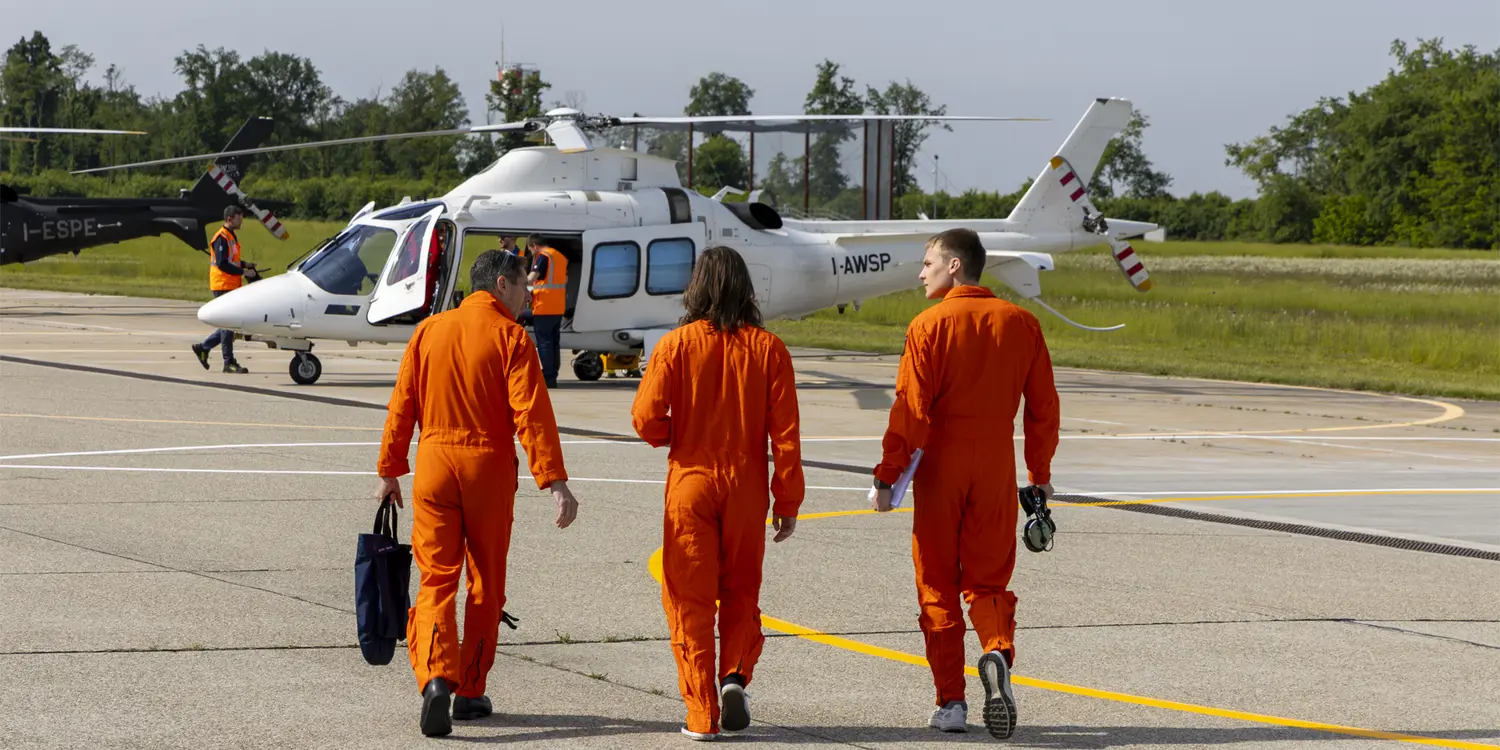
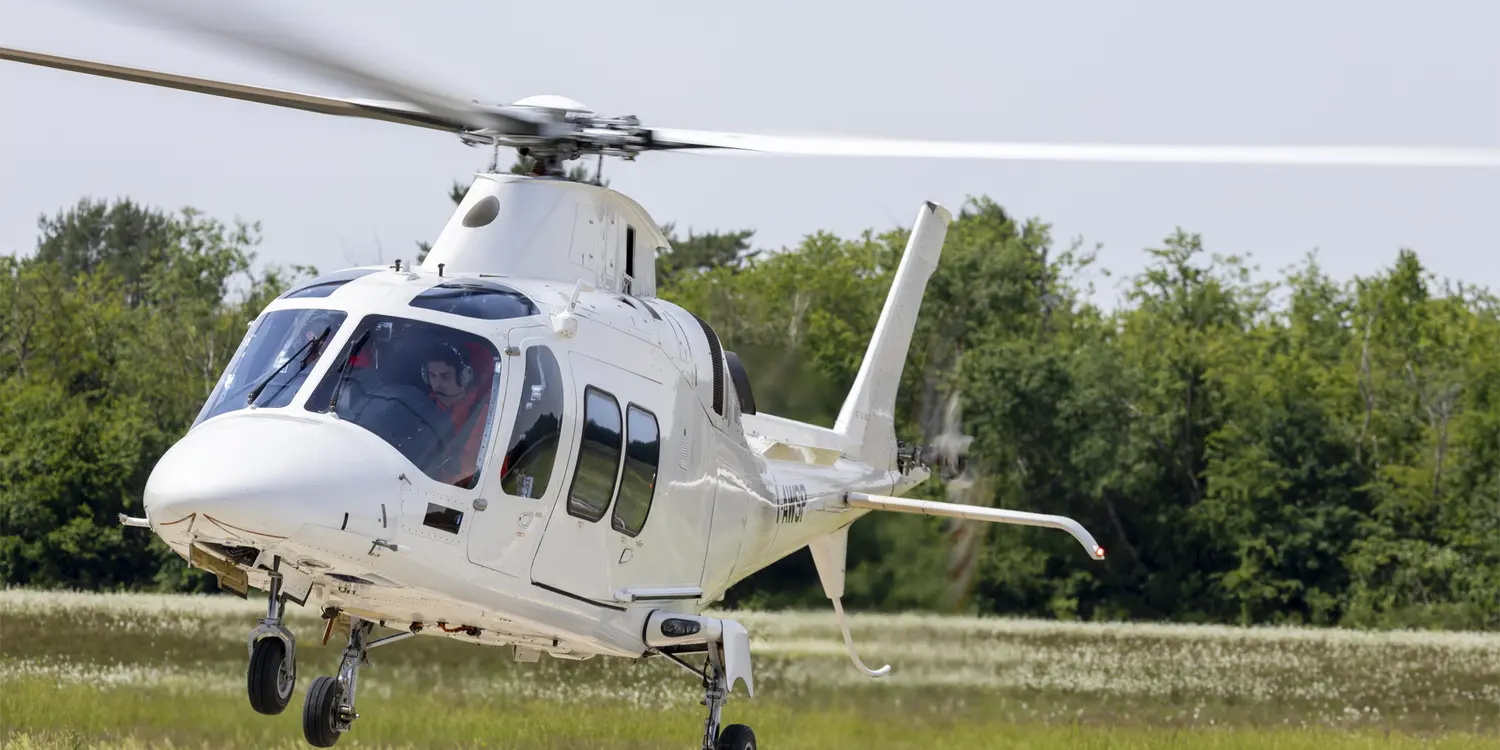
The first campaign took place on 19–20 May at the Leonardo Helicopters Flight Test Center in Cascina Costa (Varese), where students carried out eight flight test missions on instrumented AW109 and AW169 helicopter prototypes. Following an introductory seminar and preparatory visits to the test centre, students developed the preliminary flight test documentation—including Flight Test Plans, Test Cards and checklists—and conducted missions focused on helicopter controllability and static stability.
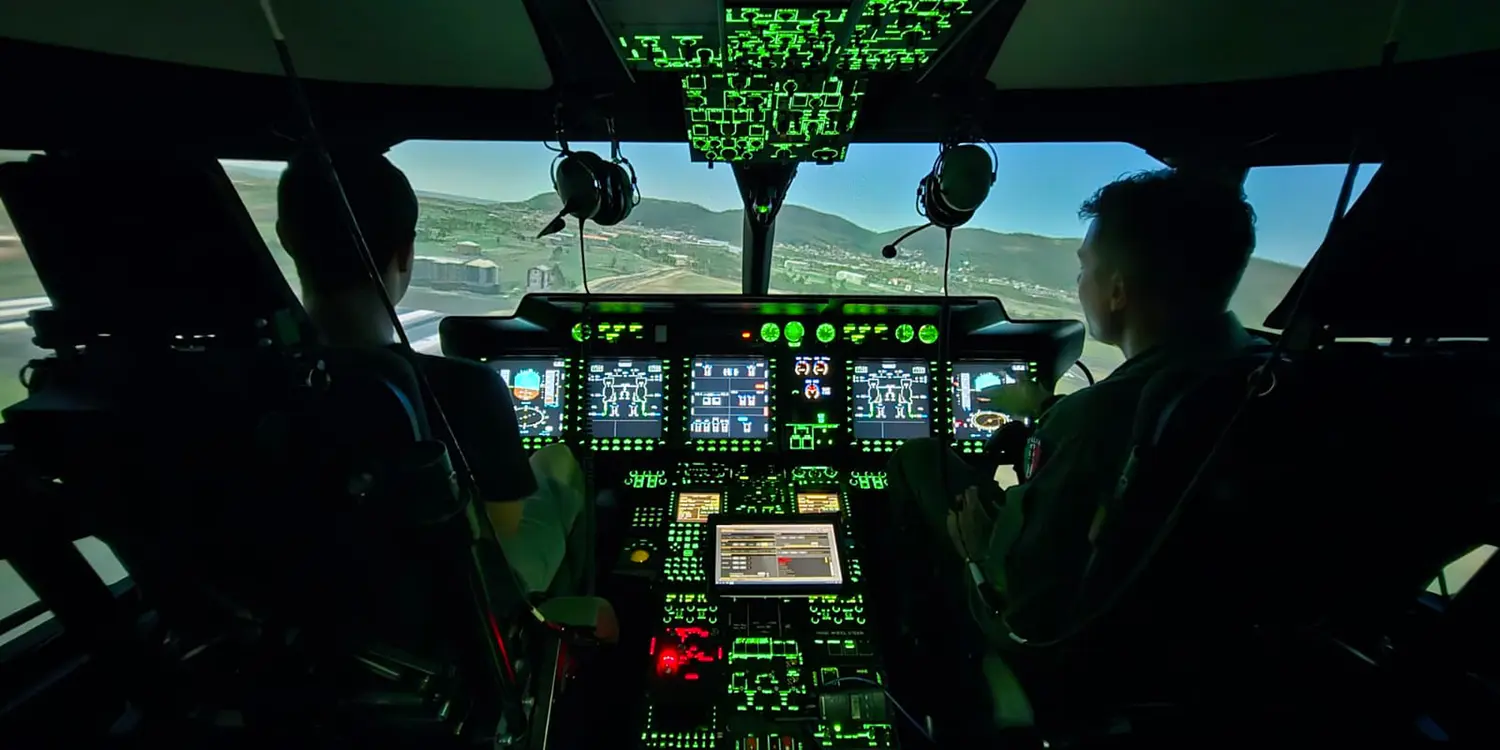
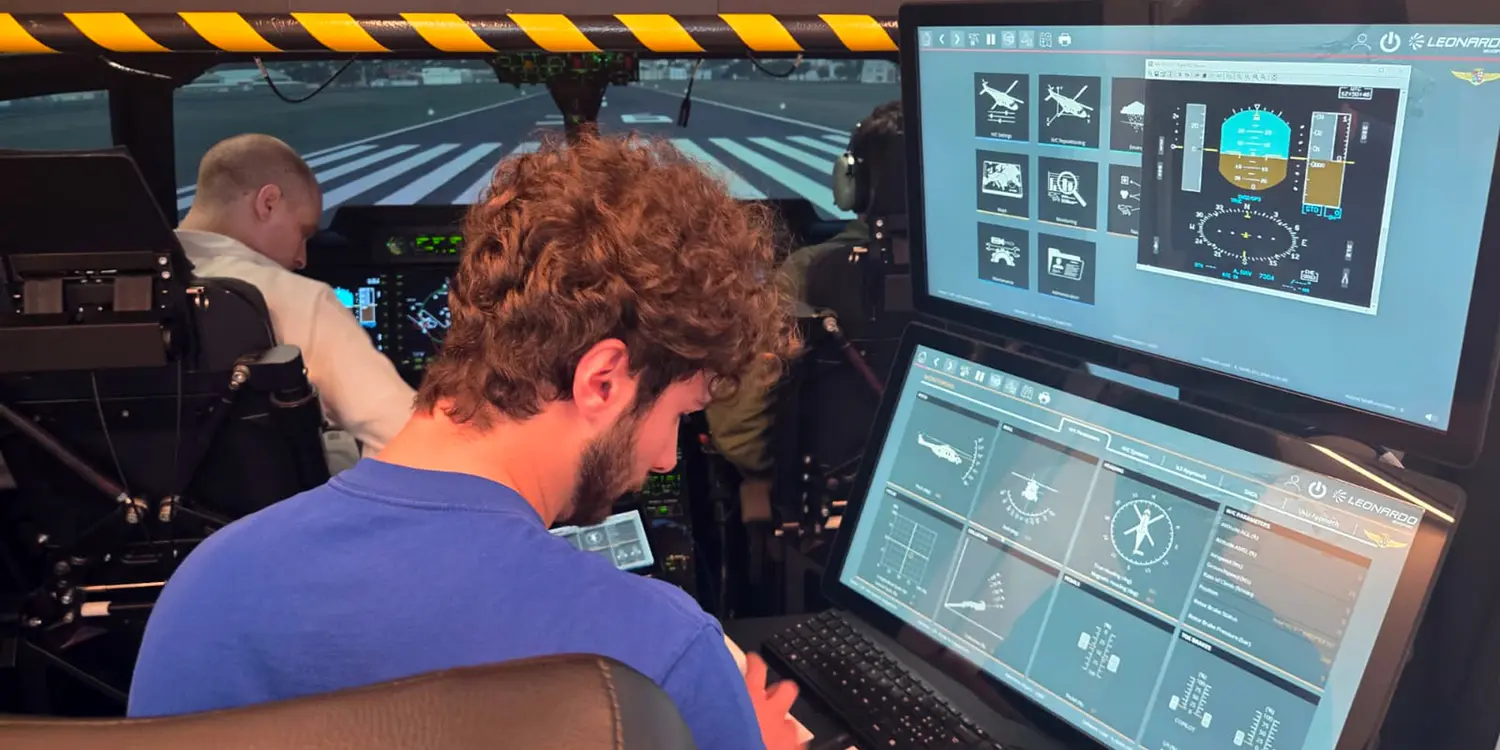
On 21 May, the course continued at the Leonardo Aeronautics Simulation and Training Centre in Venegono Superiore, where students flew six flight test missions on the high-fidelity simulators of the M-345 and M-346 advanced trainer aircraft. Building on the preliminary test documentation prepared beforehand, the missions focused on the evaluation of handling and flying qualities, exposing students to the methodologies adopted for the flight testing of modern military training aircraft. In each mission, a student assumed the role of Flight Test Engineer (FTE), leading the activity alongside a certified Leonardo simulation specialist and experiencing the complete flight test workflow in a realistic operational environment.

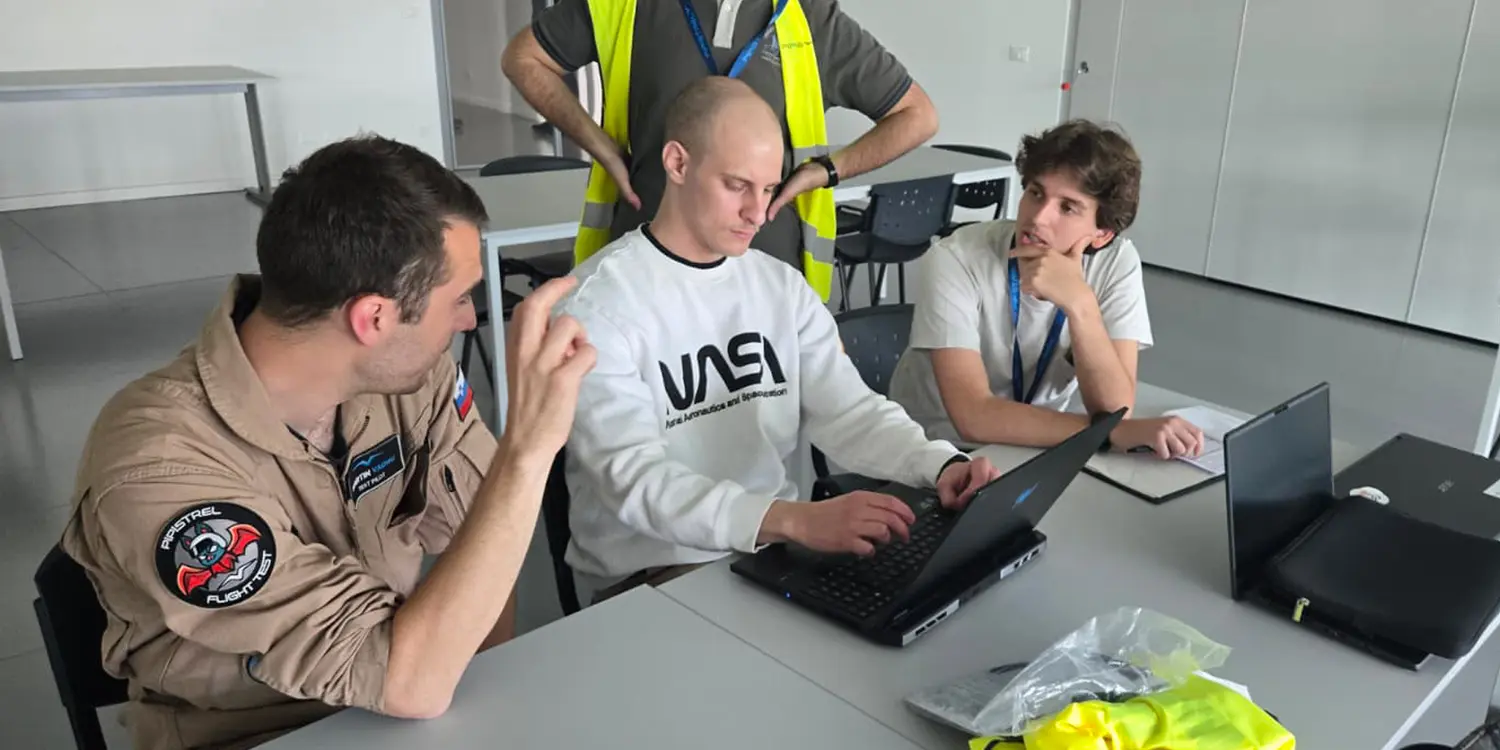
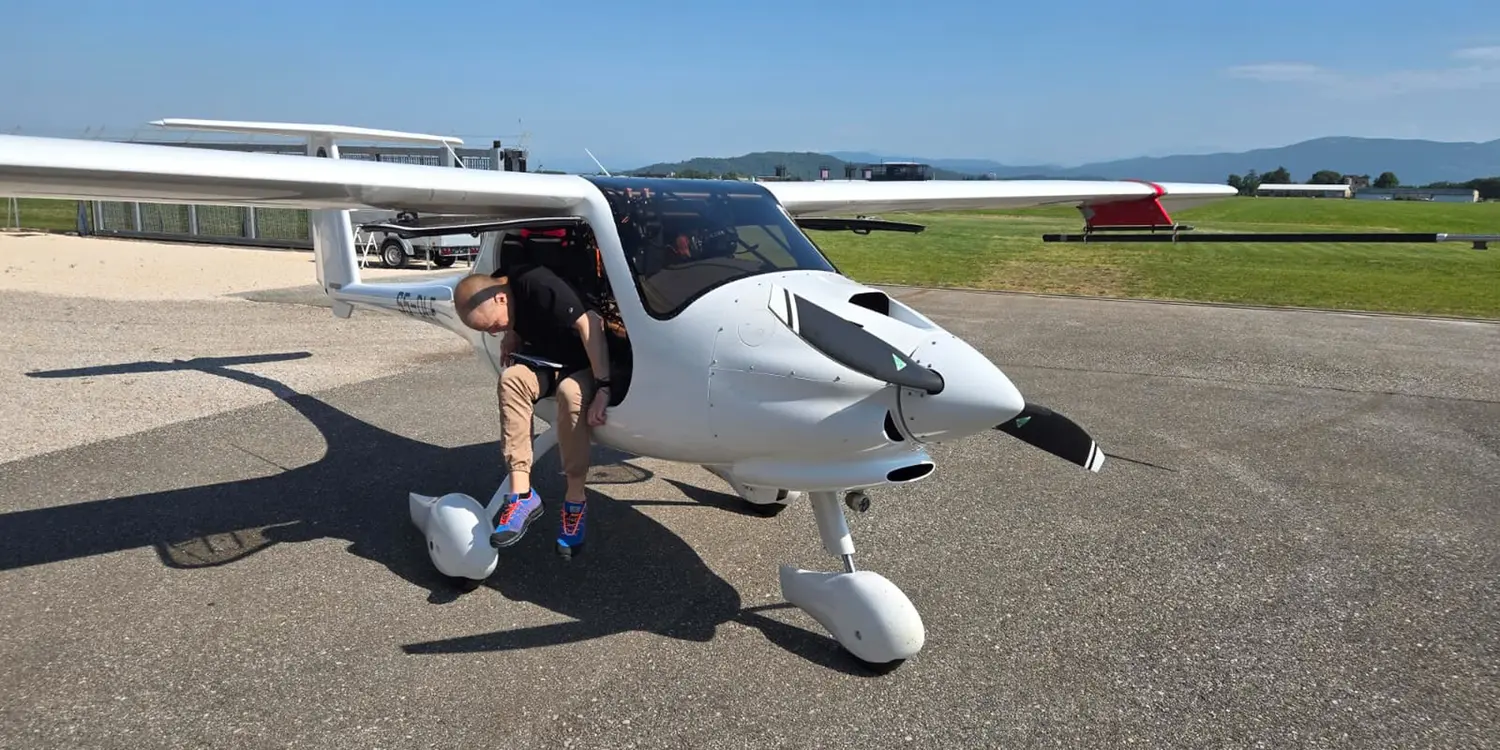
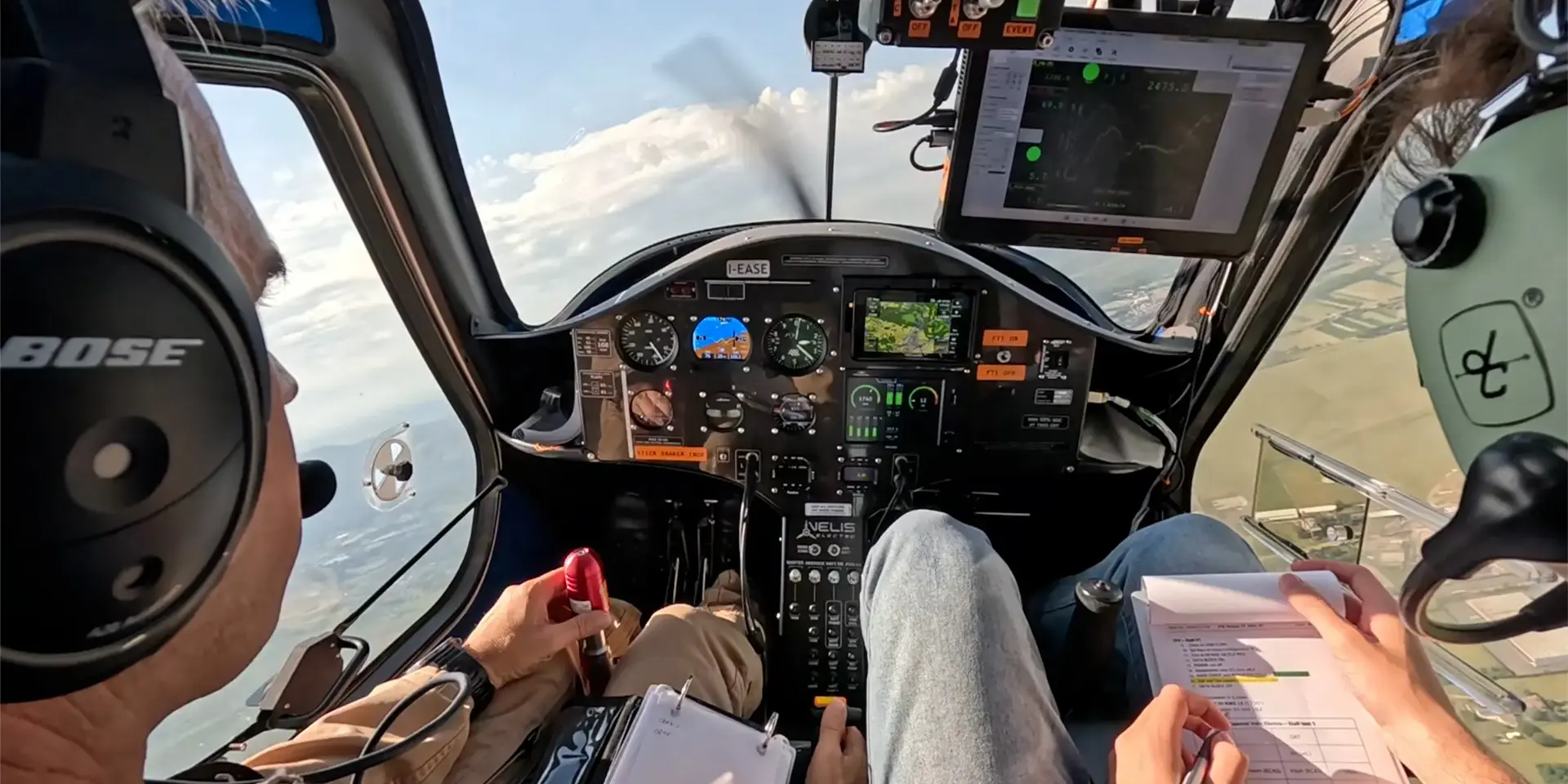
The third campaign was held on 26–28 May at Pipistrel Italia in Gorizia, where students performed eight flight test missions on two instrumented aircraft: the Explorer and the fully electric Velis Electro. After an introductory seminar, they prepared the test documentation and carried out activities aimed at evaluating aircraft performance and flying qualities, while gaining direct exposure to innovative electric aviation technologies.

The final campaign took place on 3–6 June at the Centro Sperimentale Aeromarittimo (CSA) of the Italian Navy, where students flew eight simulated missions on the full-mission, full-motion SH-90 helicopter simulator. The activity focused on the evaluation of controllability together with static and dynamic stability characteristics in different Automatic Flight Control System (AFCS) modes, faithfully reproducing the workflow of a professional military flight test campaign.

Throughout all four campaigns, every mission—whether in flight or in the simulator—assigned a student to the role of Flight Test Engineer (FTE), working alongside experienced test pilots or certified simulation specialists. This immersive approach enabled participants to experience the complete flight testing process, from mission planning and preparation to execution, data analysis and technical reporting.

Following each activity, students analysed the acquired data and produced comprehensive Flight Test Reports, a mandatory component of the course assessment that mirrors professional flight test practice.

The Flight Testing course, offered as an elective during the second semester of the final year of the M.Sc. programme in Aeronautical Engineering, combines classroom teaching with unique experimental activities that expose students to certified civil and military aircraft, advanced simulation environments and cutting-edge technologies. Together with the Department's instrumented Tecnam P92E "Flying Classroom", these collaborations provide students with the opportunity to apply theoretical knowledge in realistic operational contexts, ranging from conventional flight test techniques to state-of-the-art fly-by-wire aircraft and electric propulsion systems.

The Department of Aerospace Science and Technology gratefully acknowledges Leonardo Helicopters, Leonardo Aeronautics, Pipistrel, Textron Aviation, and the Italian Navy for their continued commitment to the education of future aerospace engineers. The dedication of their flight test engineers, simulation specialists, test pilots, and technical staff makes these activities possible and provides Politecnico di Milano students with an exceptional educational experience. By working with certified civil aircraft, advanced military simulators, electric aircraft, and cutting-edge flight control technologies, students acquire technical and operational skills that will become an invaluable asset throughout their future professional careers.

Condividi su: