Precise and autonomous landing is a key capability for future lunar missions, particularly when targeting hazardous terrain or operating near existing surface assets. Vision-based terrain absolute navigation provides a robust alternative to radio-based navigation by estimating the spacecraft pose from optical imagery.
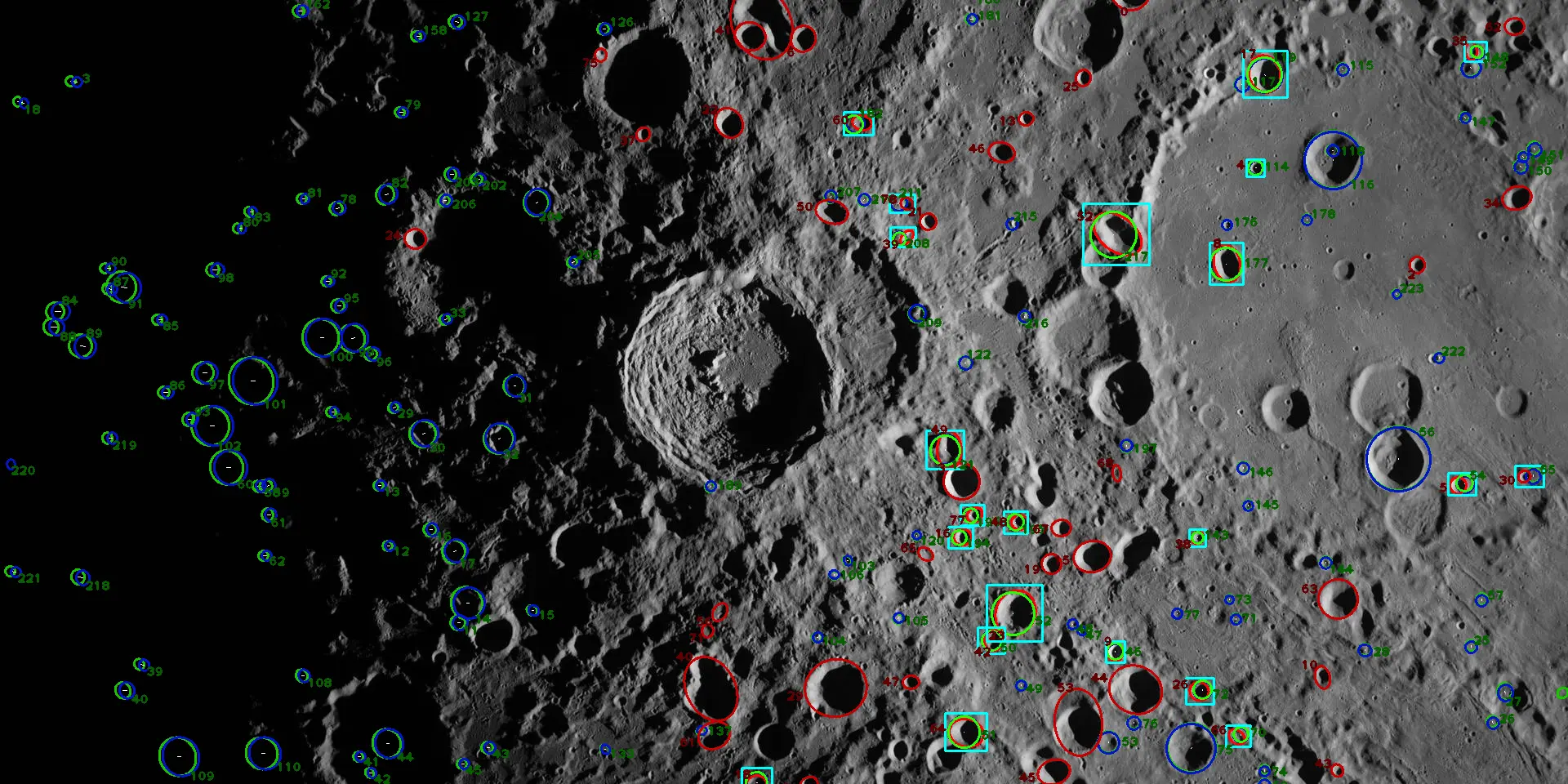
This seminar provides an overview of DLR's Crater Navigation (CNav), a vision-based terrain absolute navigation system that estimates the spacecraft position and attitude by detecting lunar craters in camera images and matching them to onboard crater catalogs. The talk will introduce the principles of the navigation approach and discuss key aspects of the CNav software, including its role within the overall navigation chain and the inputs required for its operation.
In addition, the seminar will present the development and qualification activities that have supported the maturation of CNav, providing an overview of the verification and validation (V&V) campaign spanning Software-in-the-Loop (SIL), Processor-in-the-Loop (PIL), and Hardware-in-the-Loop (HIL) testing. The seminar will conclude with a discussion of the current maturity of the system and its application to future lunar exploration missions.
Speaker:
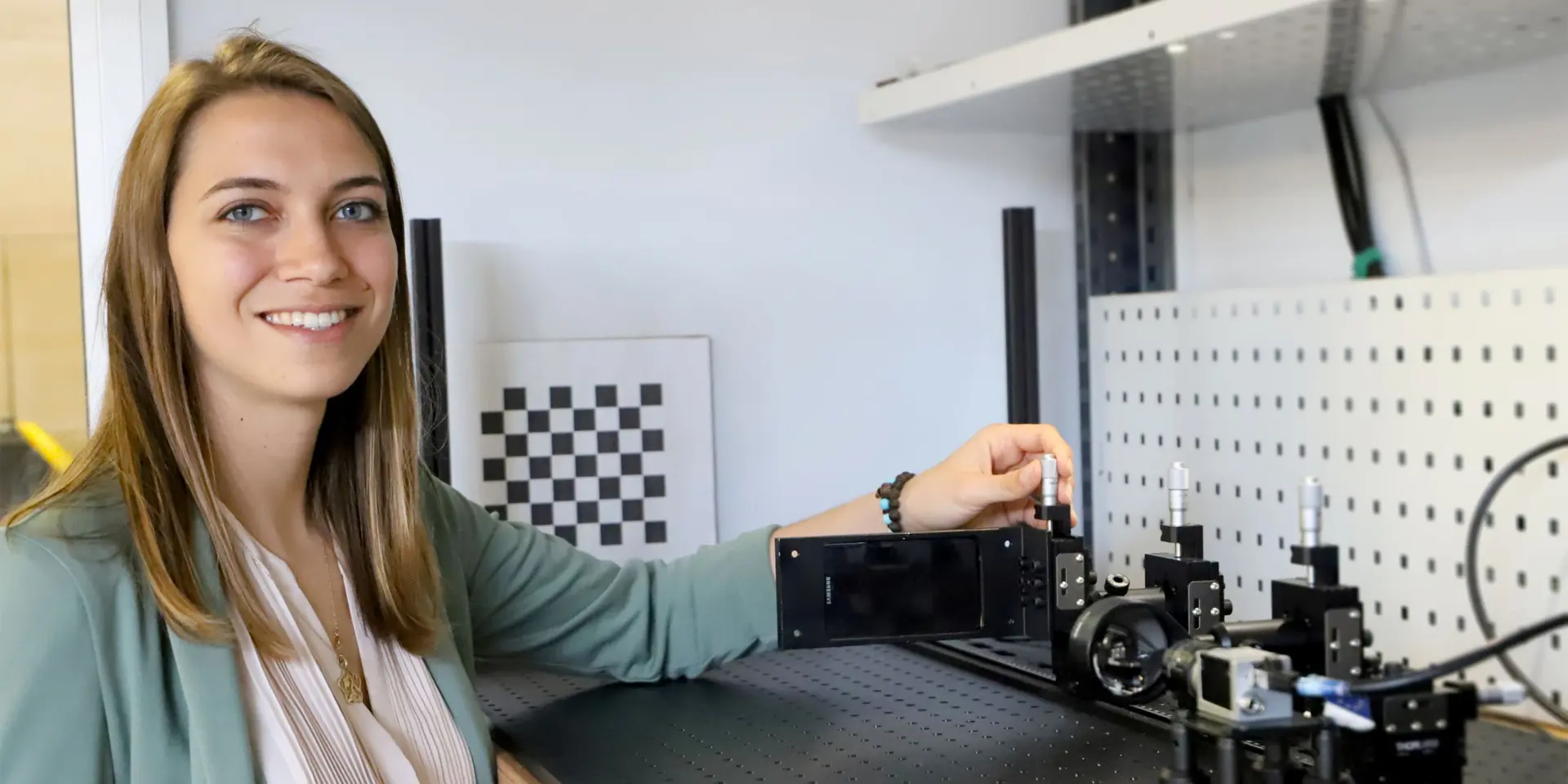
Eleonora Andreis is an Aerospace Engineer specializing in onboard GNC systems, autonomous inertial navigation, and optical navigation for deep-space and lunar missions. She currently contributes to ESA's Argonaut program at DLR, supporting the development, verification, and operational validation of the DLR Crater Navigation System (CNav) for autonomous precision lunar landing. Her work spans algorithm development, system engineering, software verification, and mission readiness. Previously, she contributed to SpaceIL's Beresheet-2 mission and to CALLISTO, developing the inertial navigation system for the VTVL demonstrator in collaboration with CNES and JAXA. She earned her Ph.D. at Politecnico di Milano's DART Lab, where she contributed to the development and validation of autonomous optical navigation algorithms for interplanetary CubeSats within the ERC-funded EXTREMA and SENSE projects, resulting in a patented navigation solution for the nanoSENSE sensor.