AEROSPACE BUILDING OFFICIALLY OPENS: NEW FACILITIES FOR AERONAUTICAL AND SPACE RESEARCH

A new infrastructure for experimental research at the Politecnico di Milano’s Bovisa La Masa Campus, providing the Department of Aerospace Sciences and Technologies with advanced laboratories and new opportunities for education and training.

On 26 October 2026, the Aerospace Building – the new home of the Department of Aerospace Sciences and Technologies (DAER) – was officially inaugurated at the Politecnico di Milano’s Bovisa La Masa Campus. The building is designed to strengthen basic and applied research in the fields of aeronautics and space.

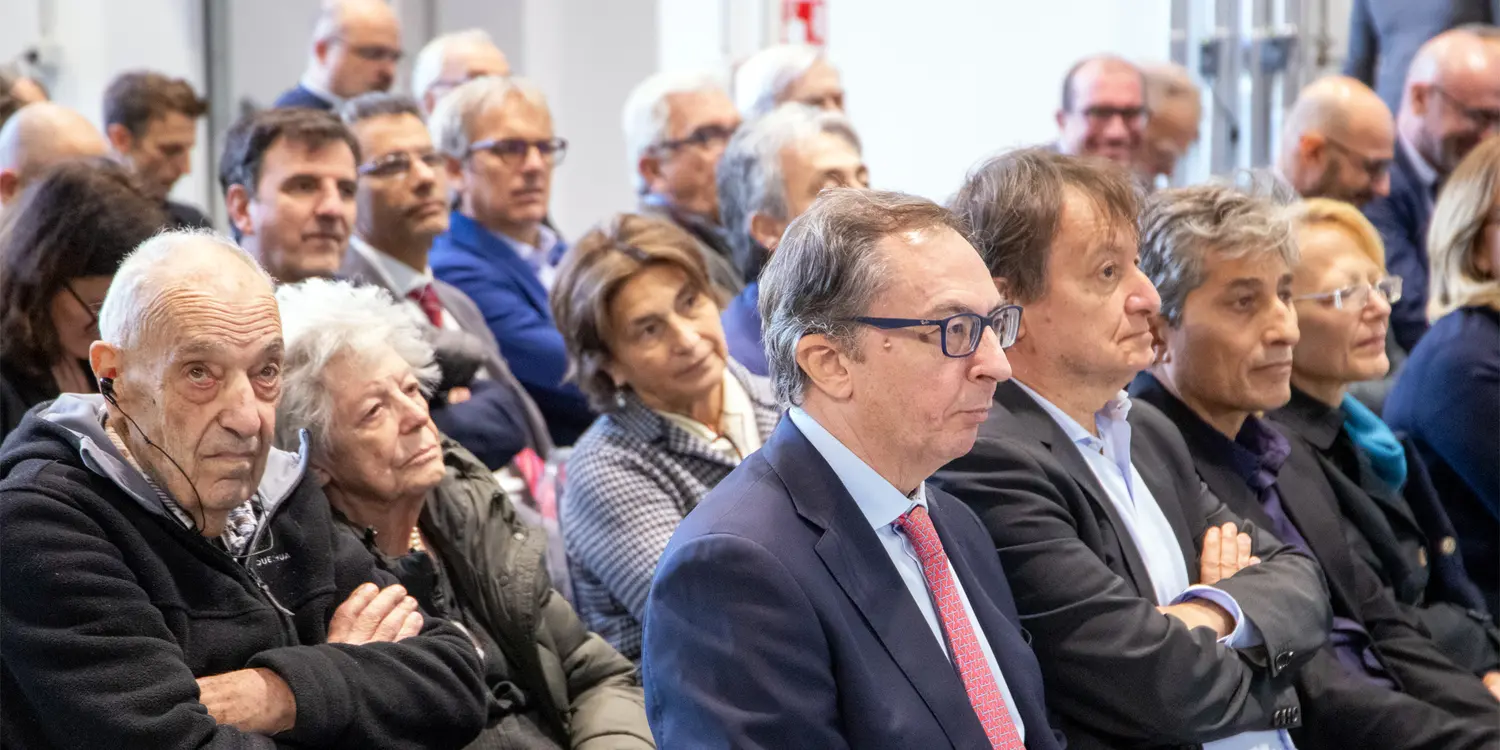
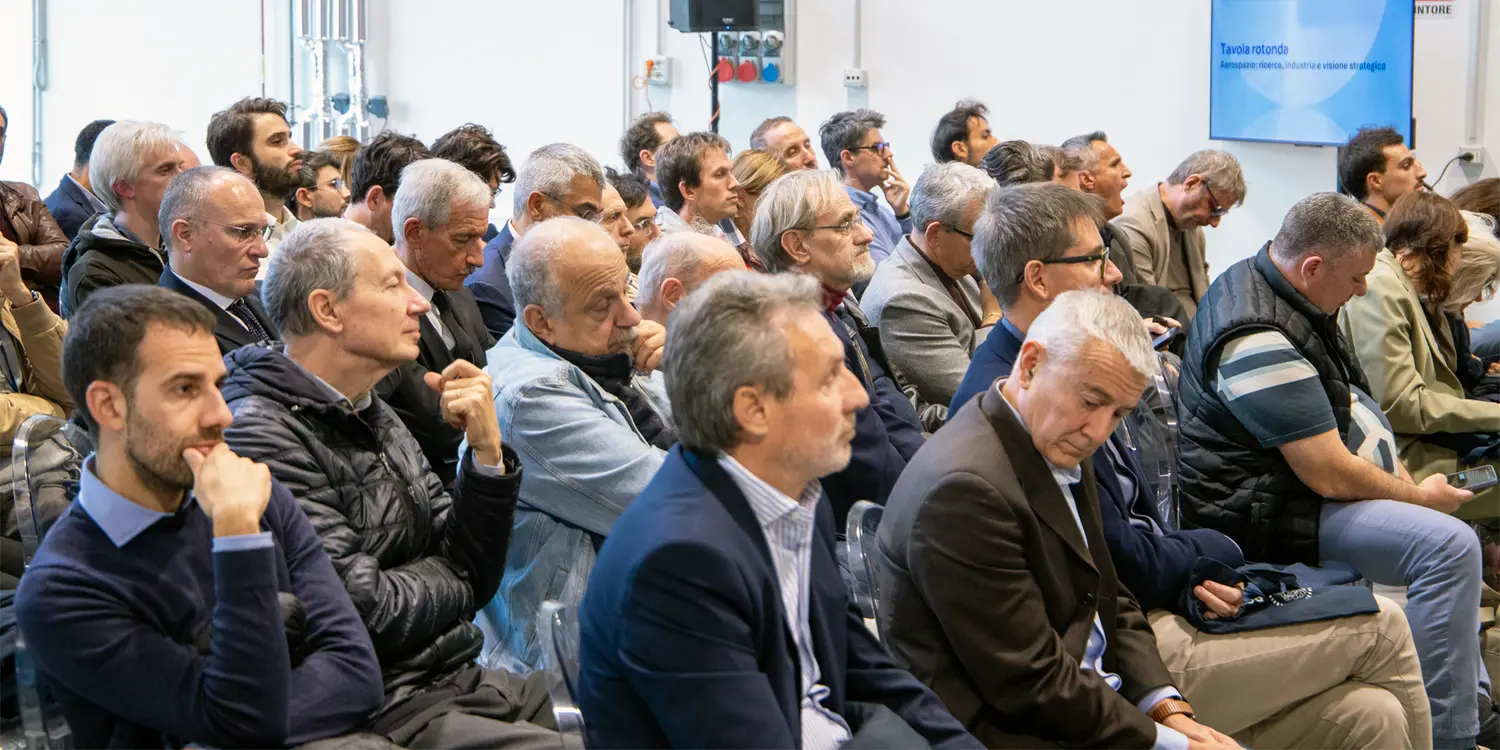
The inauguration provided an important opportunity for the University, public institutions and industry representatives to come together and showcase the Department’s new research capabilities in aeronautics and space.
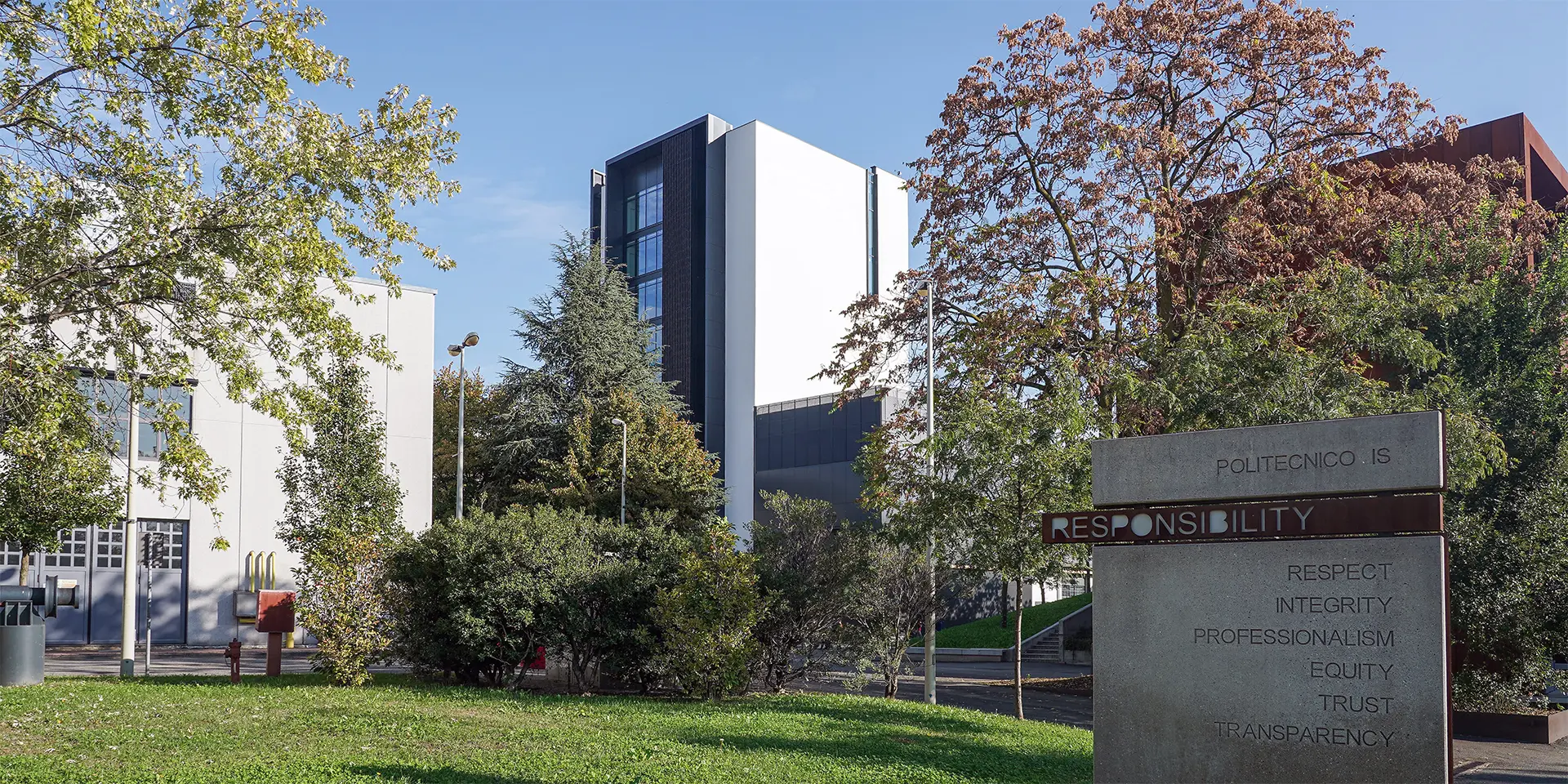
Aerospace Building

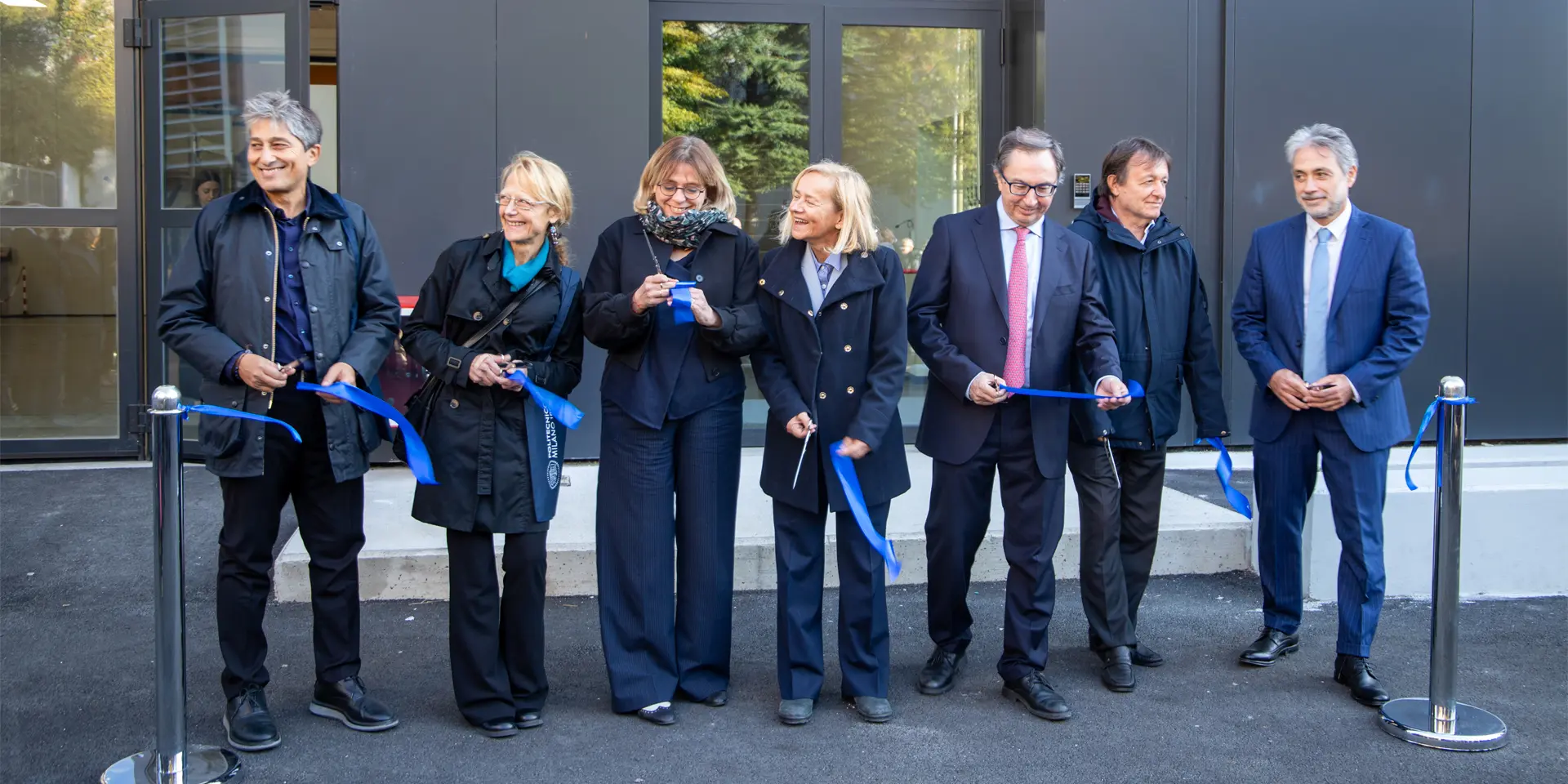
The opening ceremony

The event began with the traditional ribbon-cutting ceremony, attended by the Rector of the Politecnico di Milano, Donatella Sciuto; the Director General, Graziano Dragoni; the Head of the Department of Aerospace Sciences and Technologies, Marco Lovera; the Director of ATE, Gianluca Noto; the Deputy Mayor of Milan, Anna Scavuzzo; the Director General for Economic Development of the Lombardy Region, Armando De Crinito; and the Director General for Universities, Research and Innovation of the Lombardy Region, Elisabetta Confalonieri.

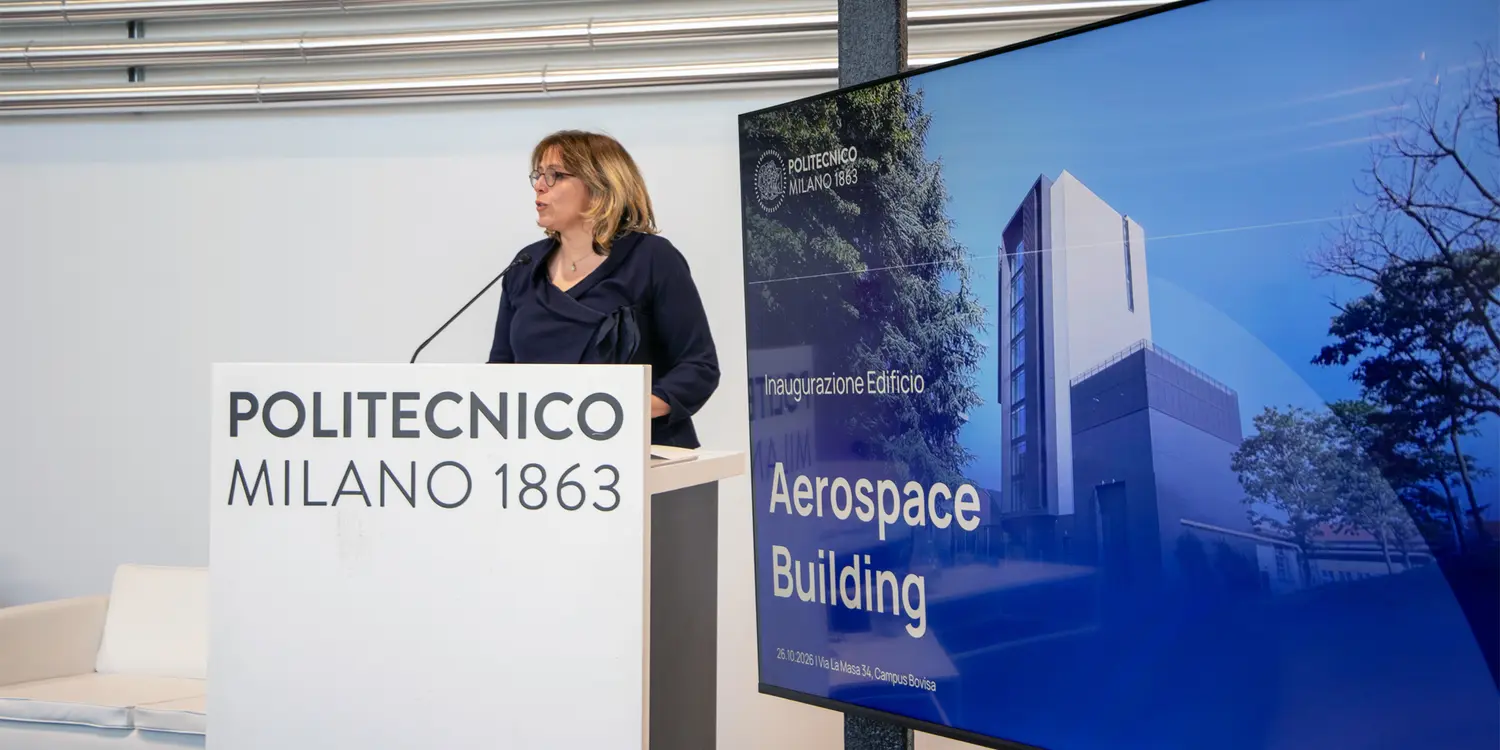
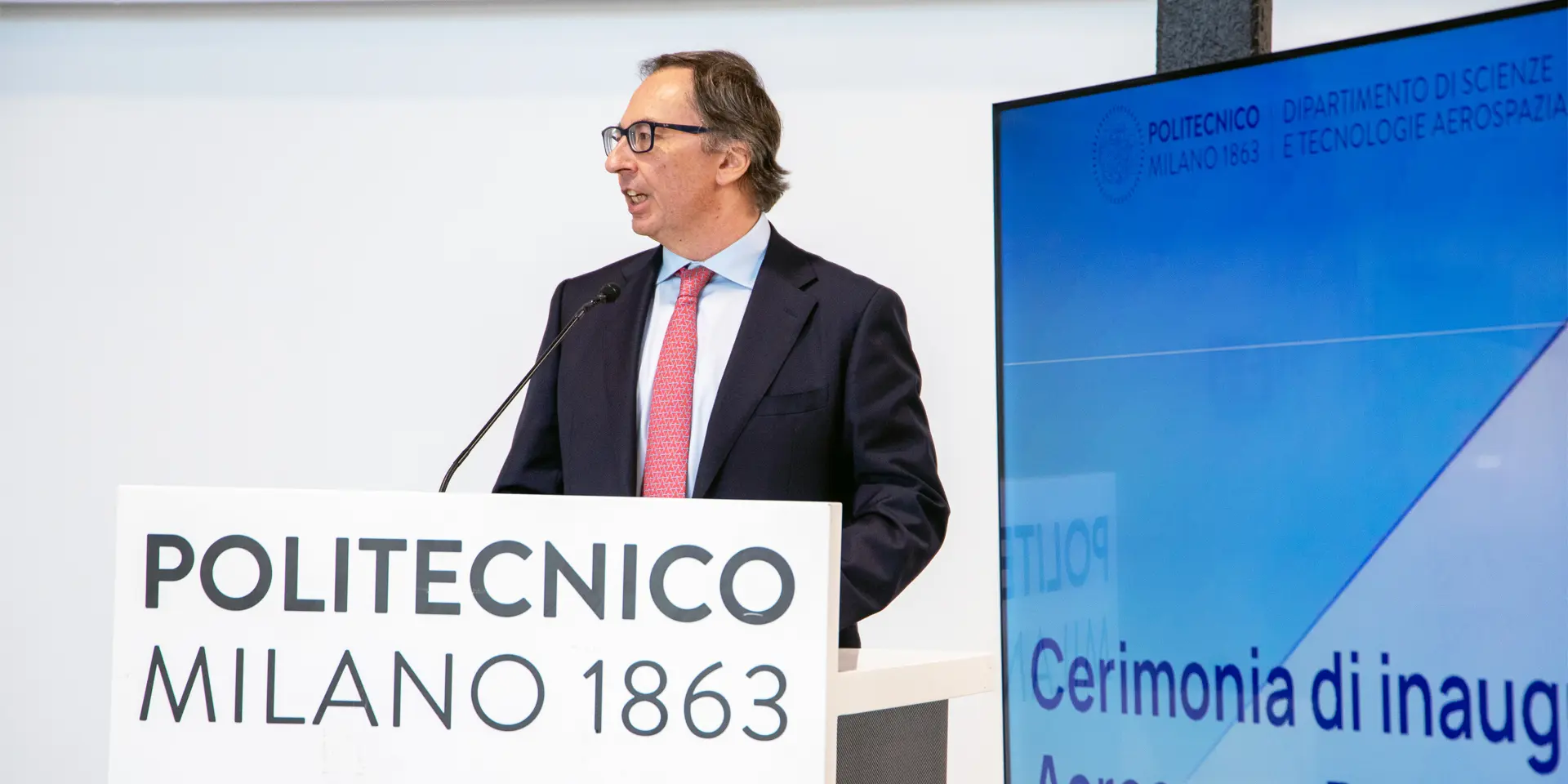
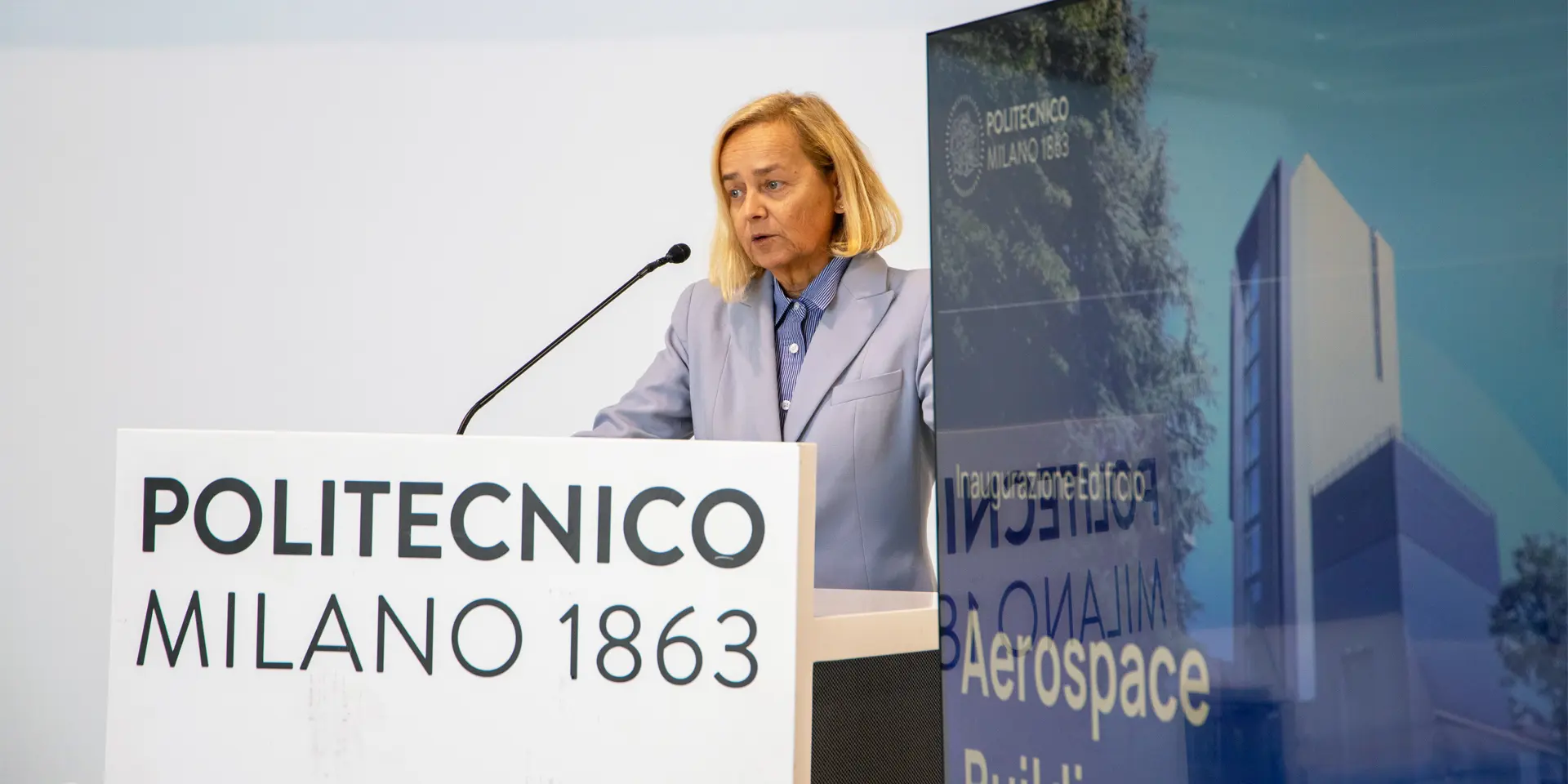
The ceremony continued with official addresses by representatives of the University, the City of Milan and the Lombardy Region.

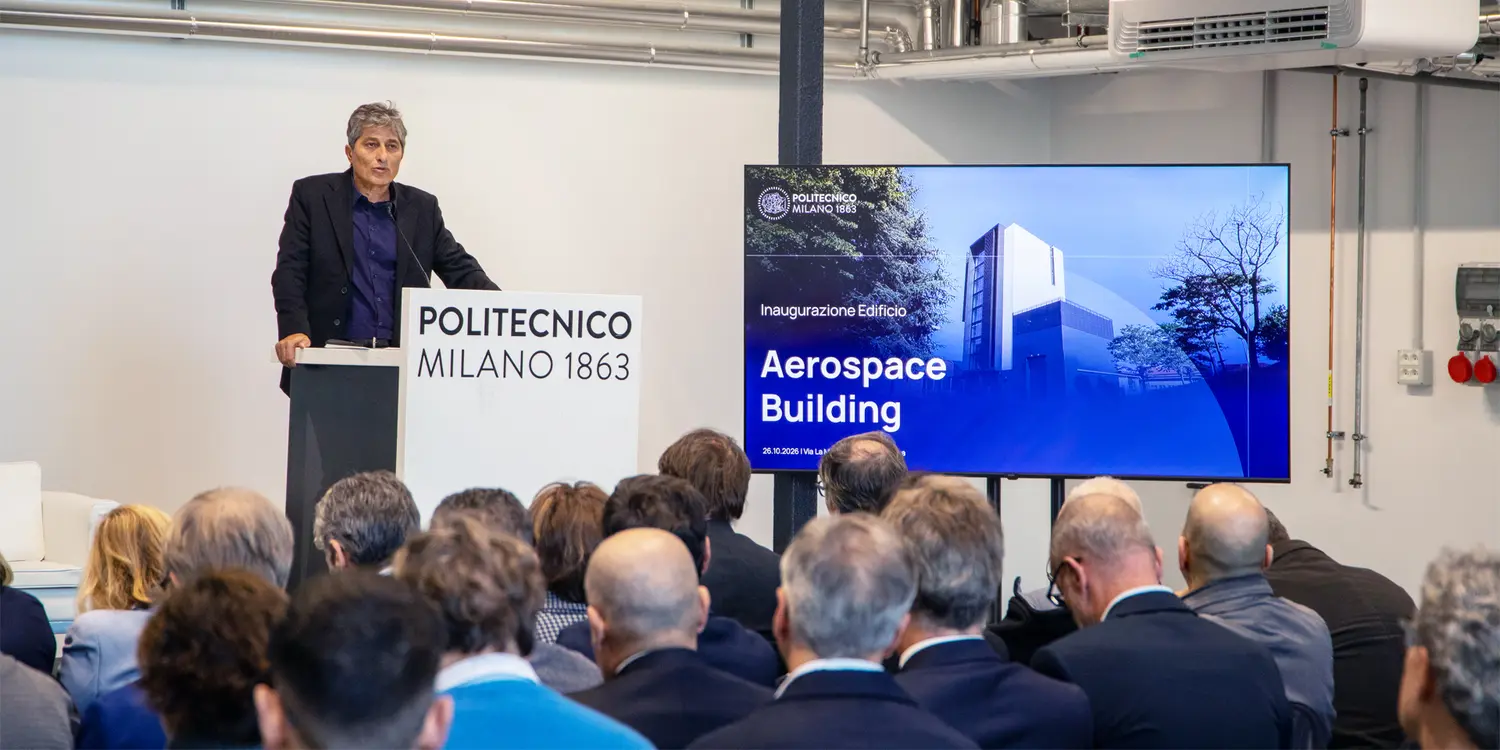
Marco Lovera then presented the project entitled “Aerospace Building and AEROSS: New Capabilities for Aeronautical and Space Research”, outlining the building’s features and the scientific opportunities offered by the new infrastructure.

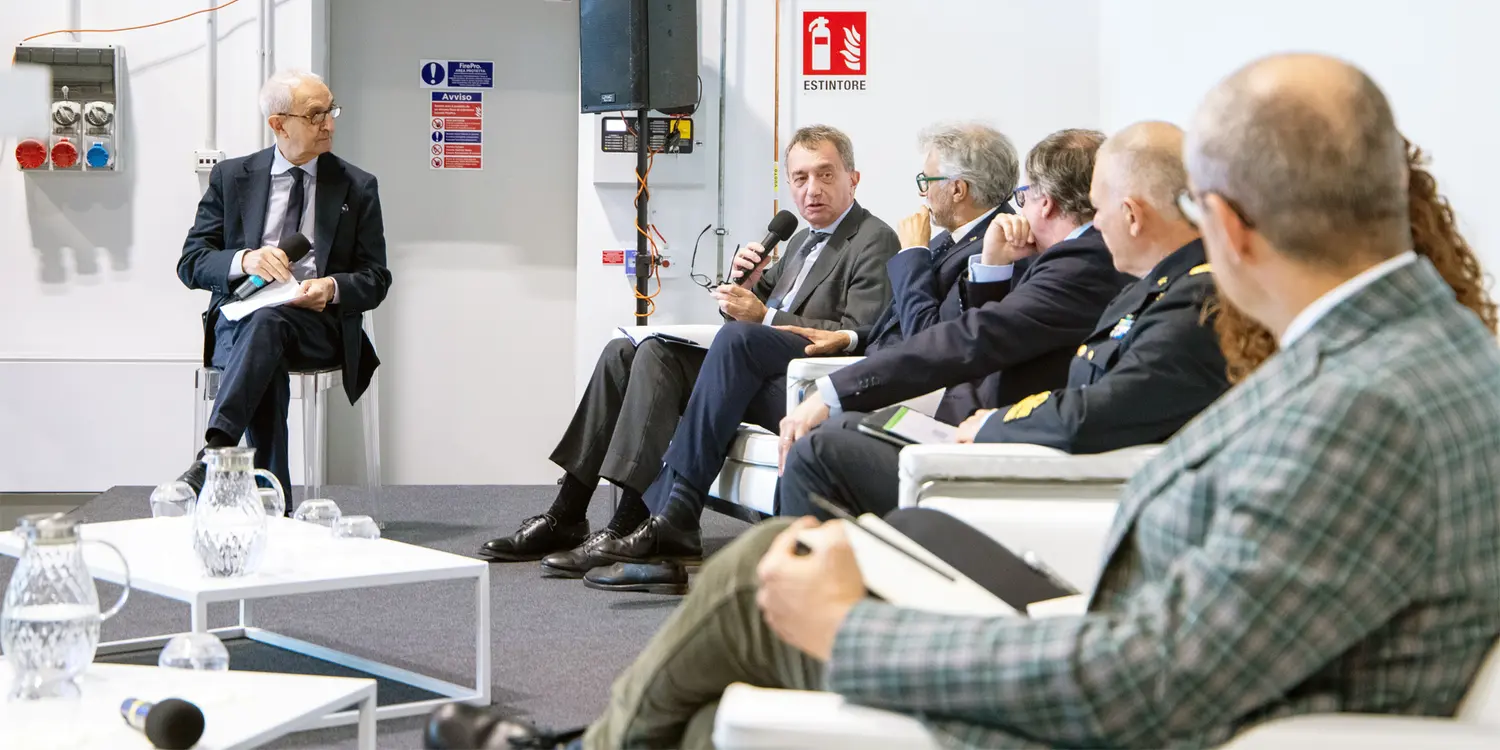
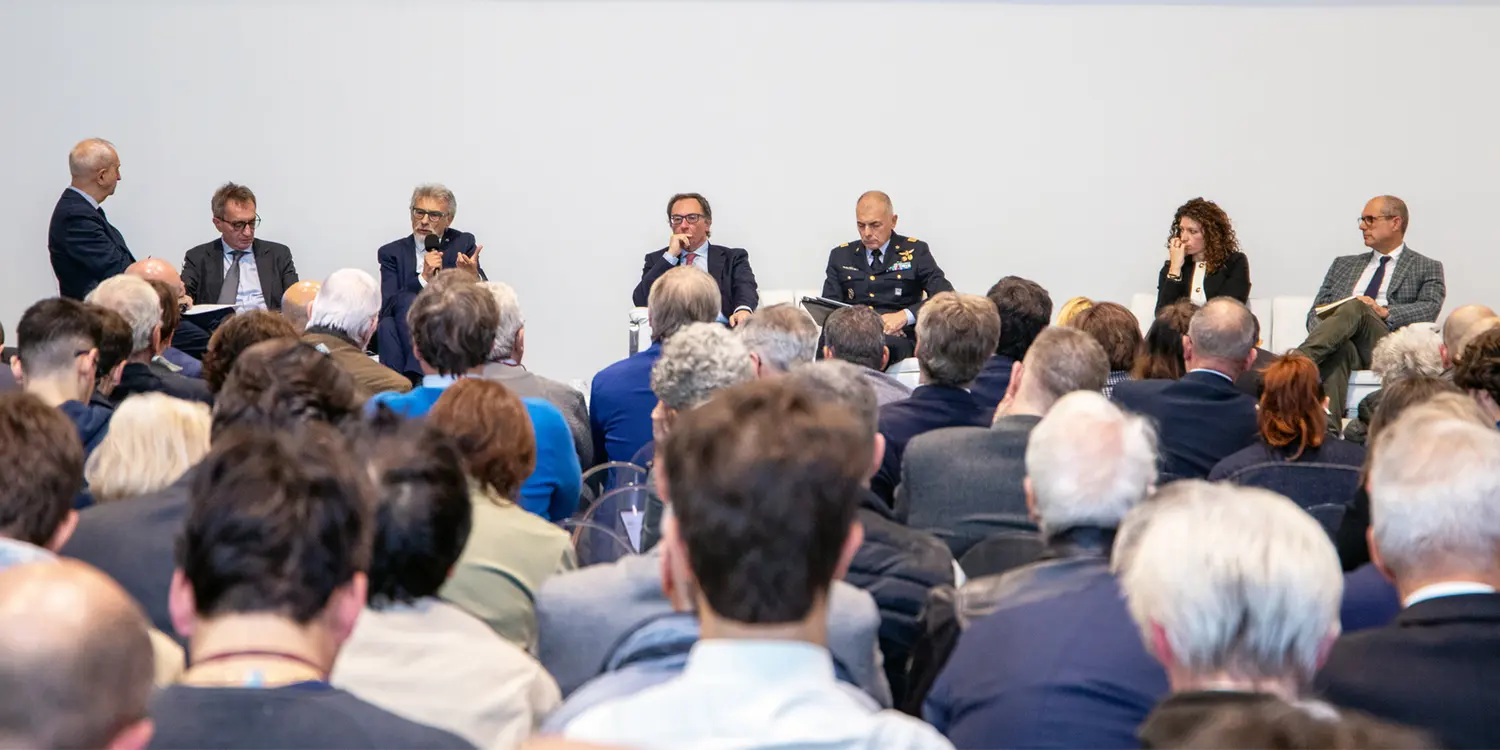
The programme also featured a round-table discussion moderated by science journalist Giovanni Caprara, bringing together representatives from academia, industry and public institutions: Paolo Cerabolini, Director of the Lombardia Aerospace Cluster; Lucio Valerio Cioffi, former Director General of Leonardo S.p.A.; Mauro Lunardi, Lieutenant General of the Italian Air Force; Luca Medici, Head of Aircraft System Integration at Leonardo Helicopters; Paola Olivares, Director of the Politecnico di Milano’s Drones and Advanced Air Mobility Observatory; and Marco Lovera.

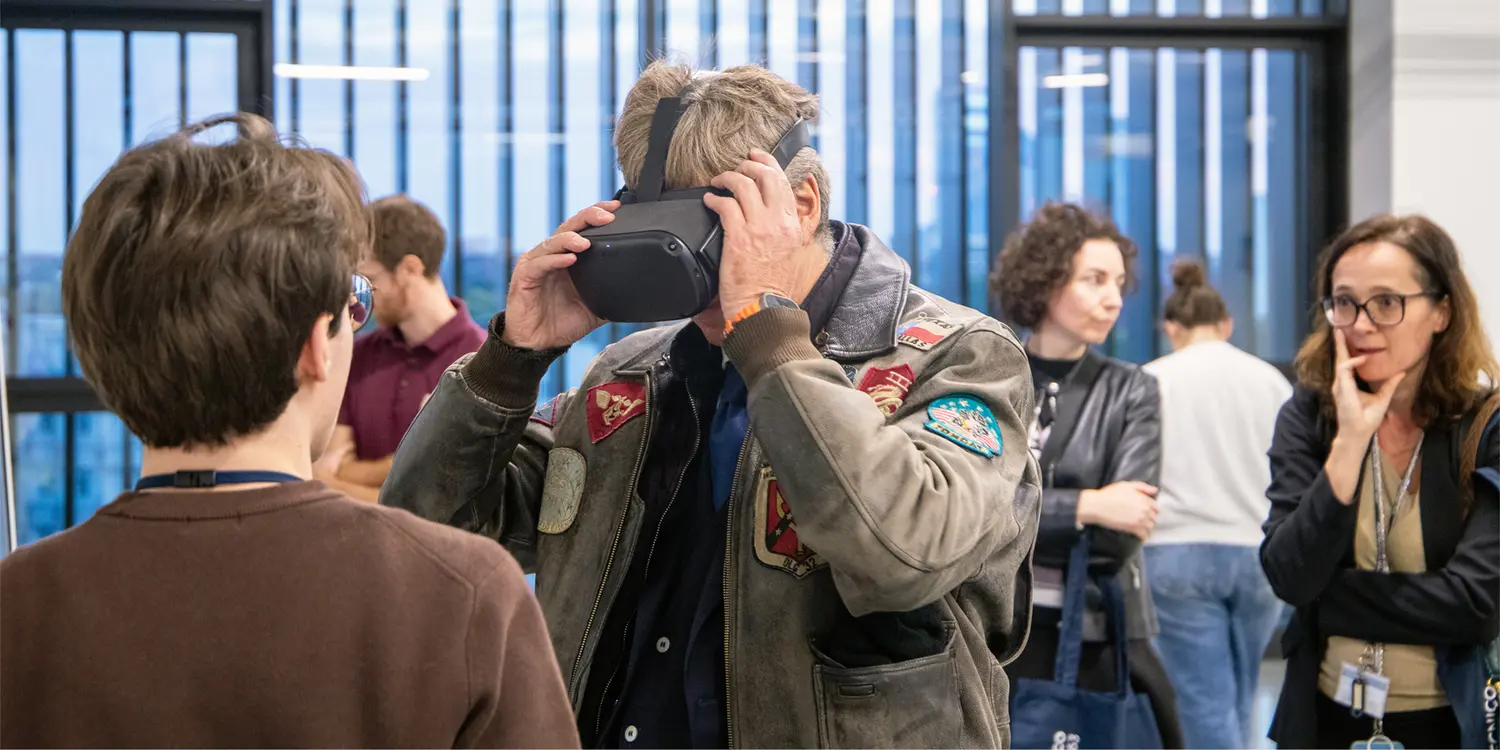
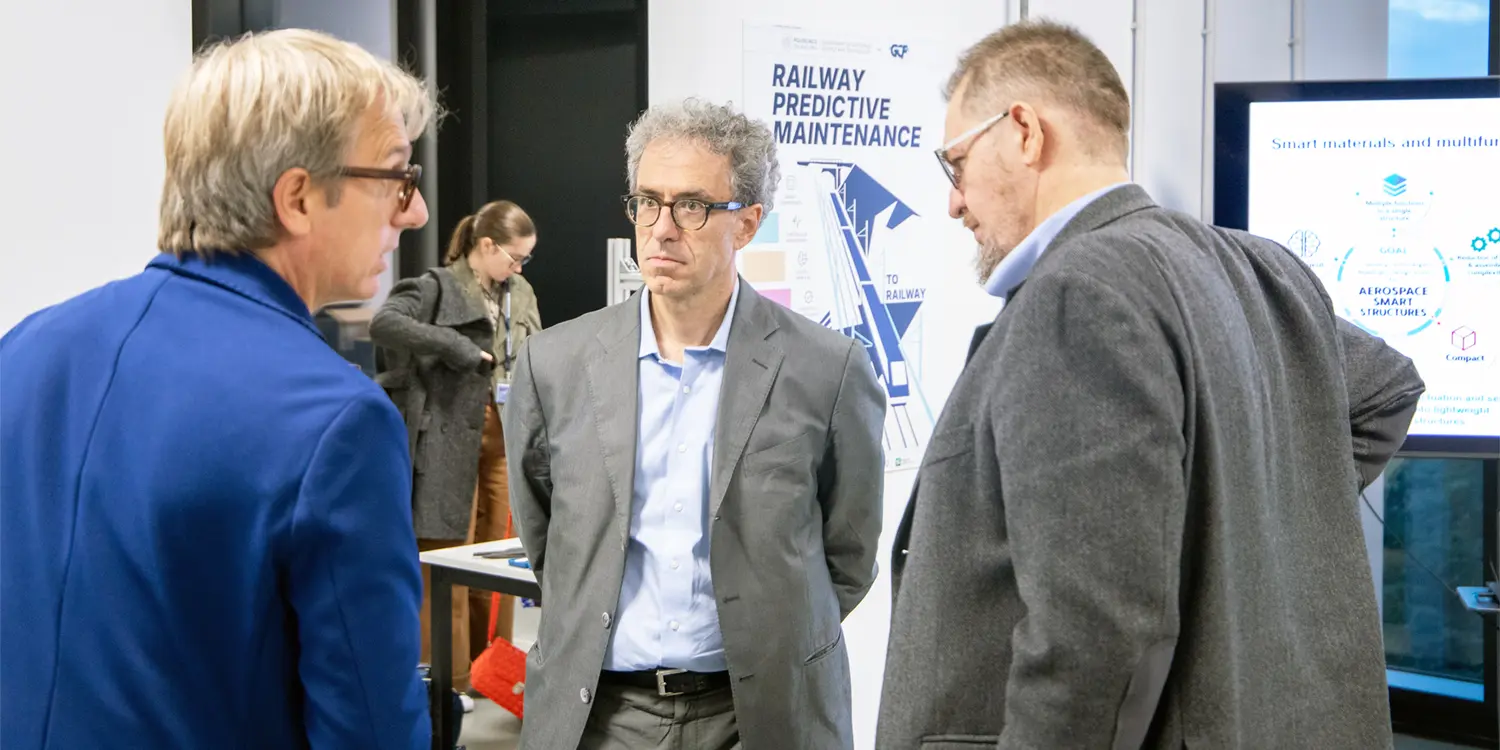
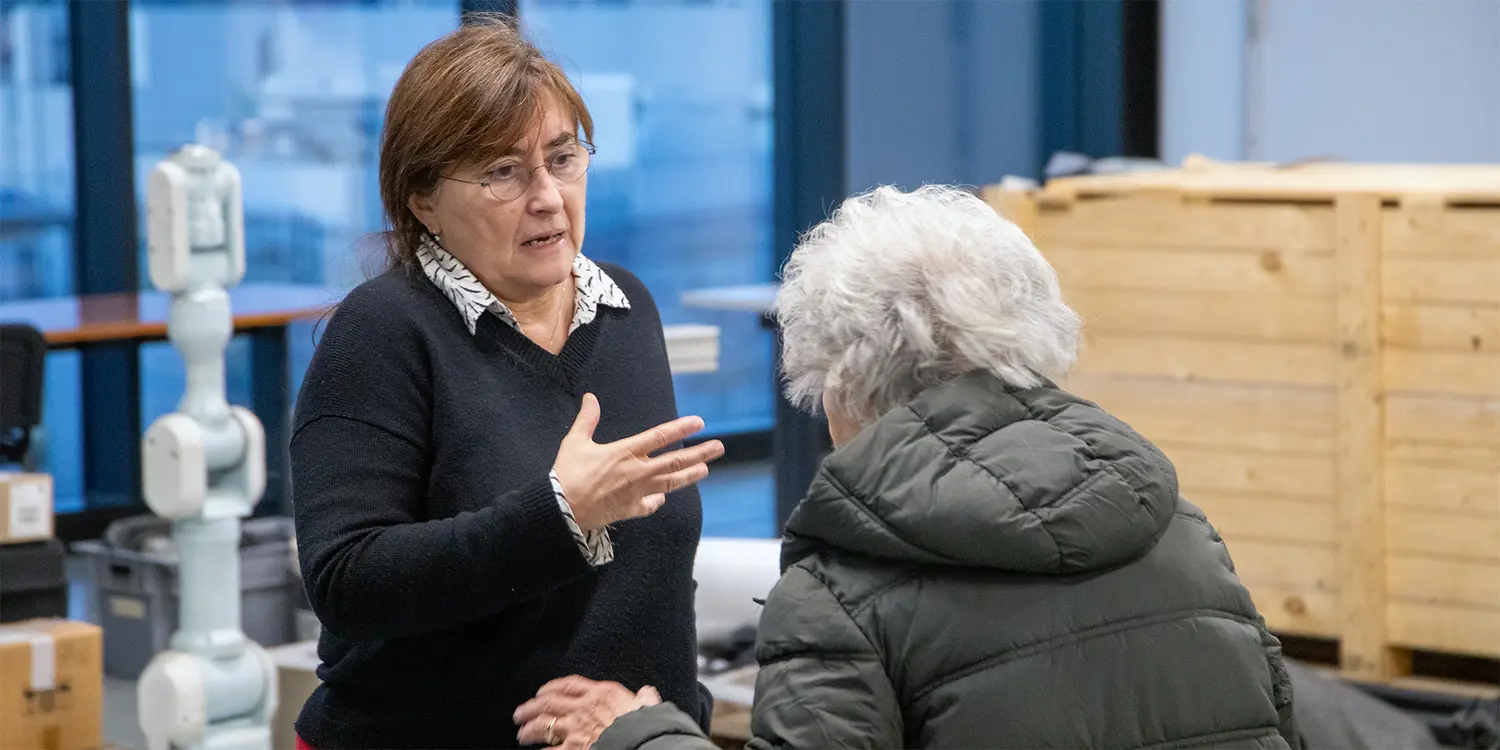
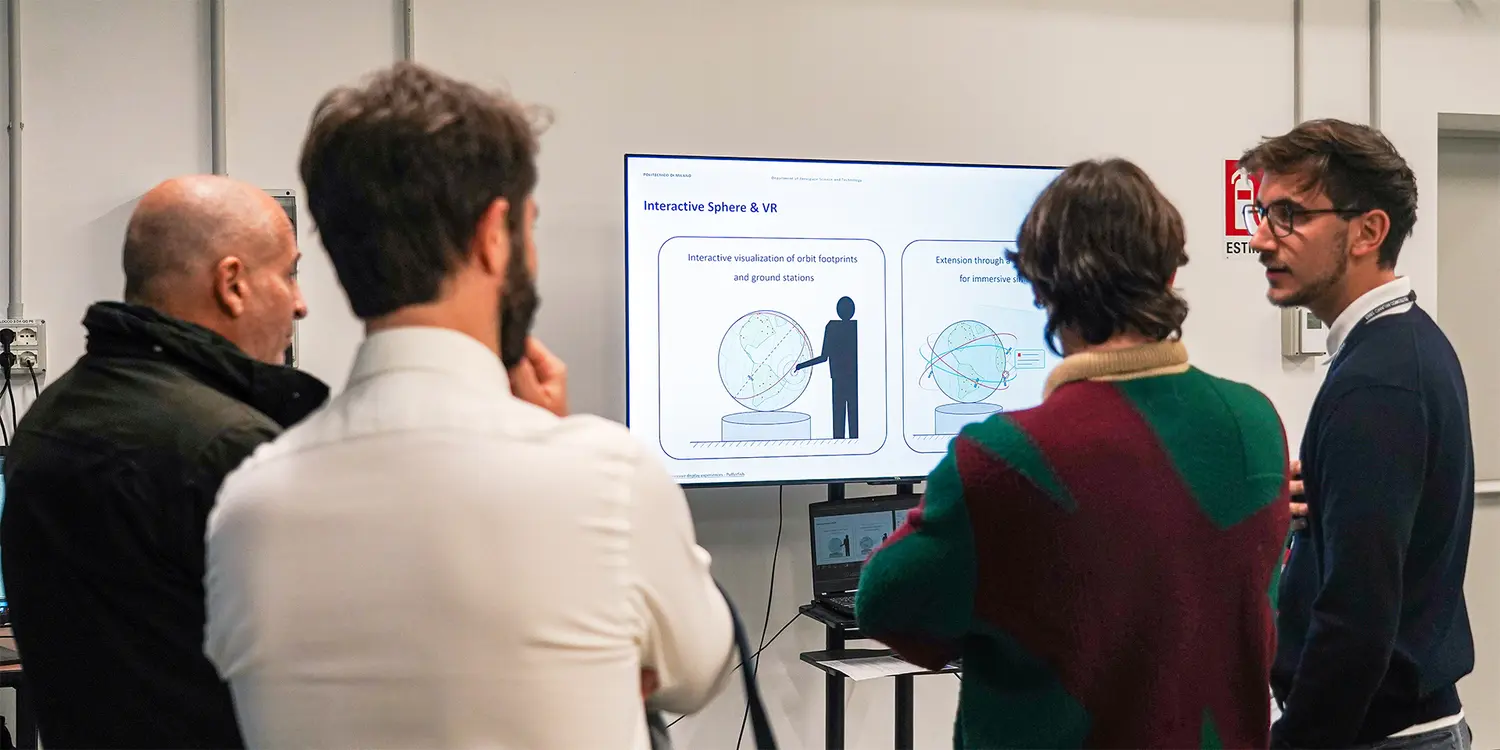
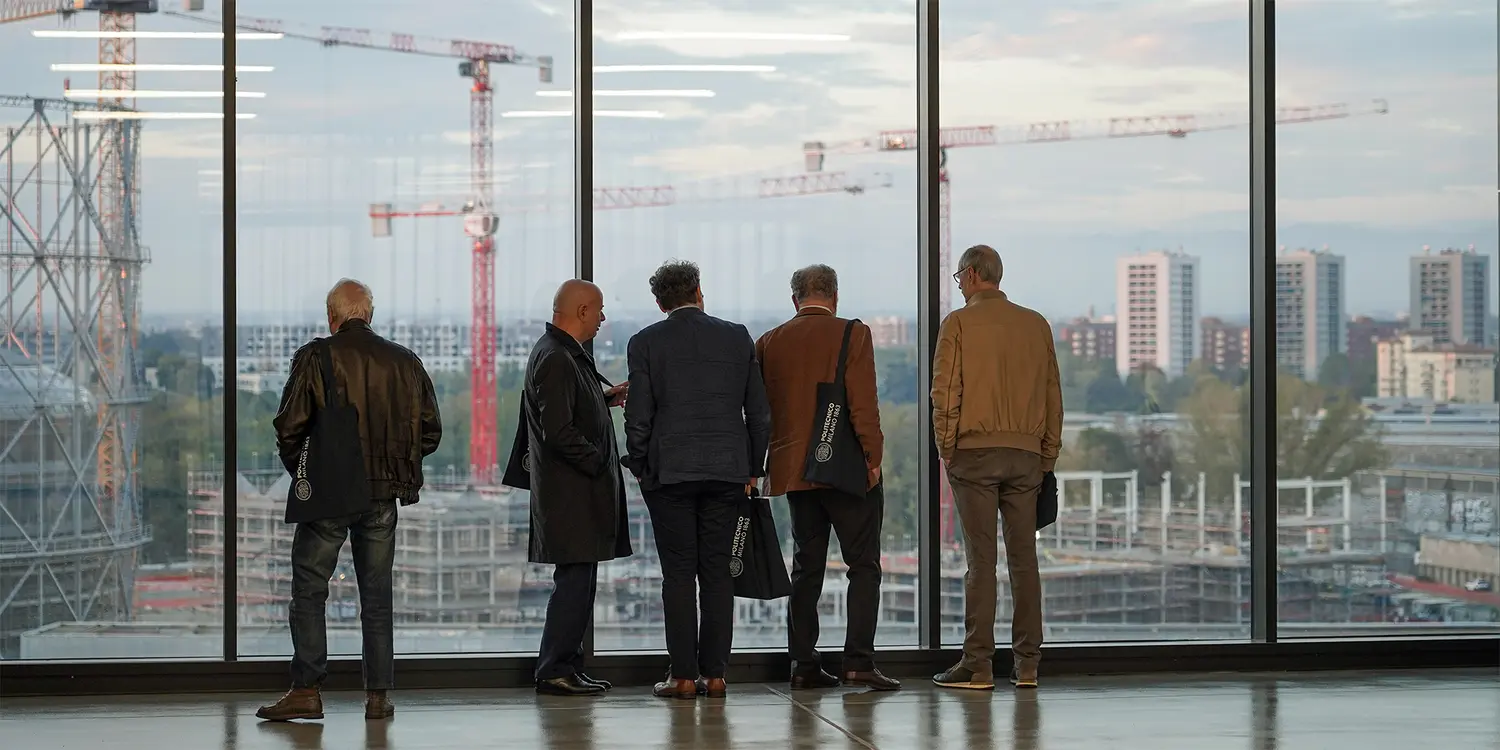
The ceremony concluded with a tour of the laboratories, giving participants the opportunity to explore the spaces, intended uses and equipment of the new building.

Donatella Sciuto, Rector, Politecnico di Milano
Official Greetings from Representatives of the University, the City of Milan, and the Lombardy Region.
Anna Scavuzzo, Deputy Mayor and Councilor for Urban Regeneration and Education, City of Milan
Elisabetta Confalonieri, Director General, Universities, Research, and Innovation, Lombardy Region
Armando De Crinito, Director General of Economic Development, Lombardy Region

Aerospace Building: Facilities and Infrastructure for Research

The Aerospace Building expands DAER’s experimental research capabilities through a structure comprising an 18-metre-high, low-rise section designed for large-scale experimental testing, and a 40-metre-high tower housing laboratories across eight floors.

Designed to ensure flexibility, the facilities accommodate advanced equipment for research in the fields of structures and materials, aerodynamics and flight dynamics, fluid dynamics and space engineering. A significant proportion of the facilities is dedicated to experimental activities associated with four projects funded by the European Research Council (ERC).

Among the initiatives hosted in the building is AEROSS – Aerospace and Space Safety Lab, a project launched in April 2026 and funded under the Lombardy Region’s Regional Programme of the European Regional Development Fund (PR FESR 2021–2027). AEROSS brings together ten multidisciplinary laboratories – AMATECH, ASCL, ASTRA, COMPASS, DART, FRAME, PFDLab, RAL, SPIRE and SPLab – and a shared computing and data-sharing platform, with a particular focus on the safety and sustainability of aeronautical and space activities.

One of the most notable new facilities is the Hover Test Facility (HTF), a one-of-a-kind rotor testing chamber dedicated to helicopter research and advanced air mobility.

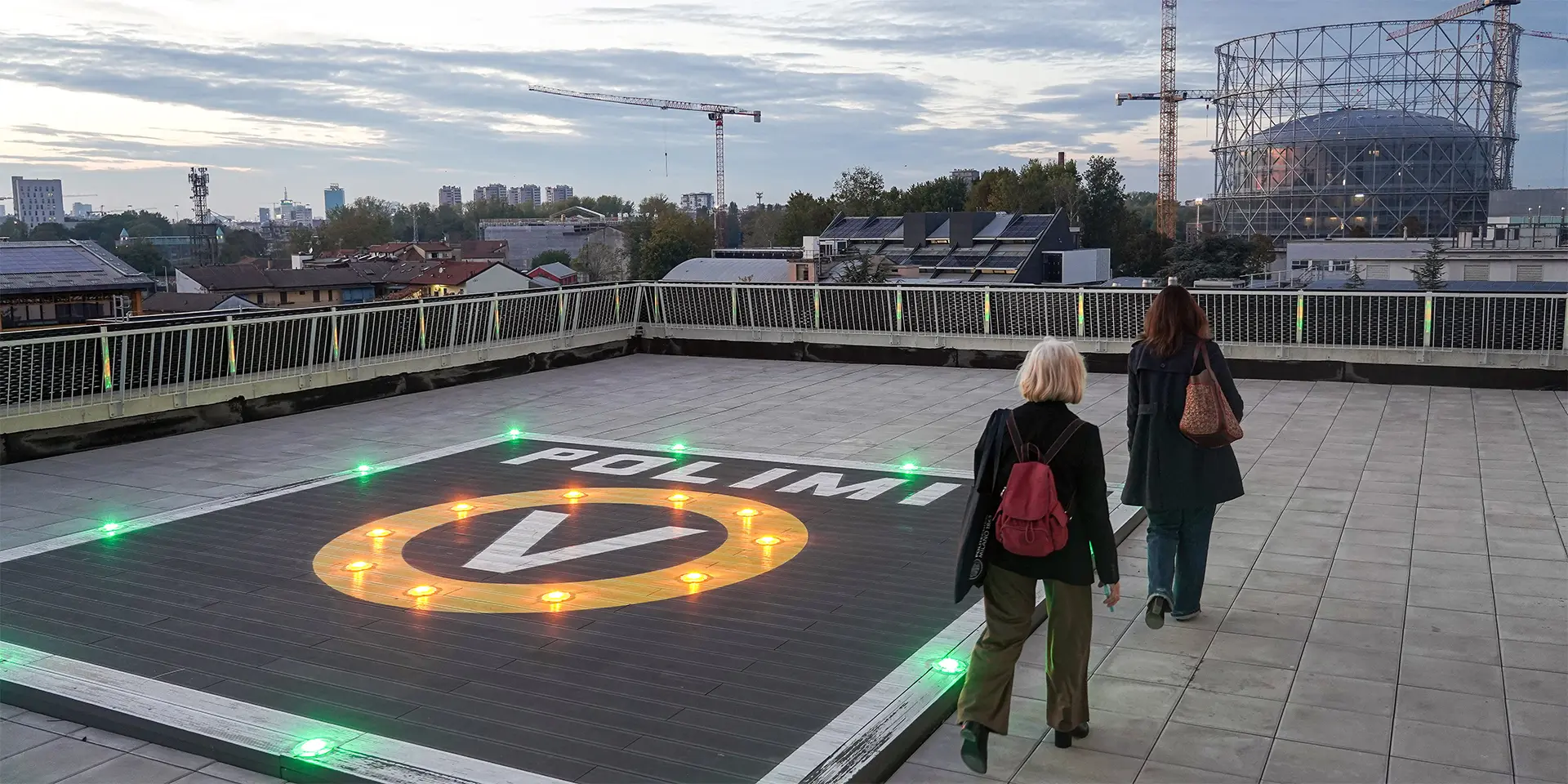
The roof of the low-rise section also accommodates the Bovisa Vertiport, designed for testing take-off and landing operations involving both piloted and unpiloted aircraft, while supporting the development of new technologies for innovative air mobility.

Marco Lovera, Director, Department of Aerospace Science and Technology, Politecnico di Milano
Round Table
Moderated by Giovanni Caprara
Featuring Paolo Cerabolini, Valerio Cioffi, Mauro Lunardi, Luca Medici, and Paola Olivares

New Opportunities for Students

The Aerospace Building will also provide additional facilities for practical teaching and activities carried out by the student associations Skyward, FlyMi and PoliSpace, which are involved in developing technological projects and taking part in student competitions.

The new building will therefore help strengthen the link between research and education, offering students more opportunities for hands-on learning and direct experience with aerospace technologies.

Tour of the Aerospace Building's facilities and laboratories

Photo credits: DAER Communications

Share on: