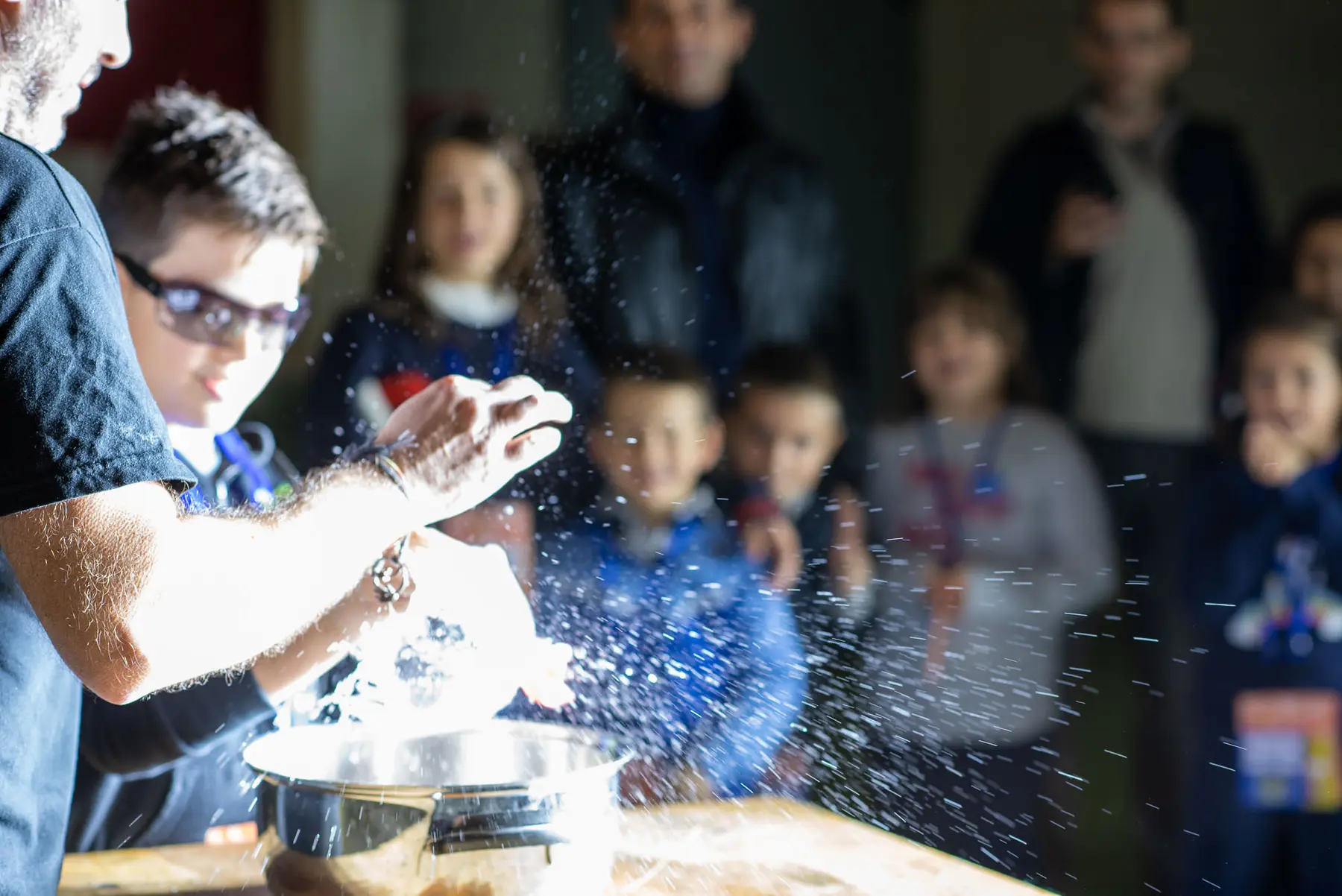
Aerodynamic Laboratory
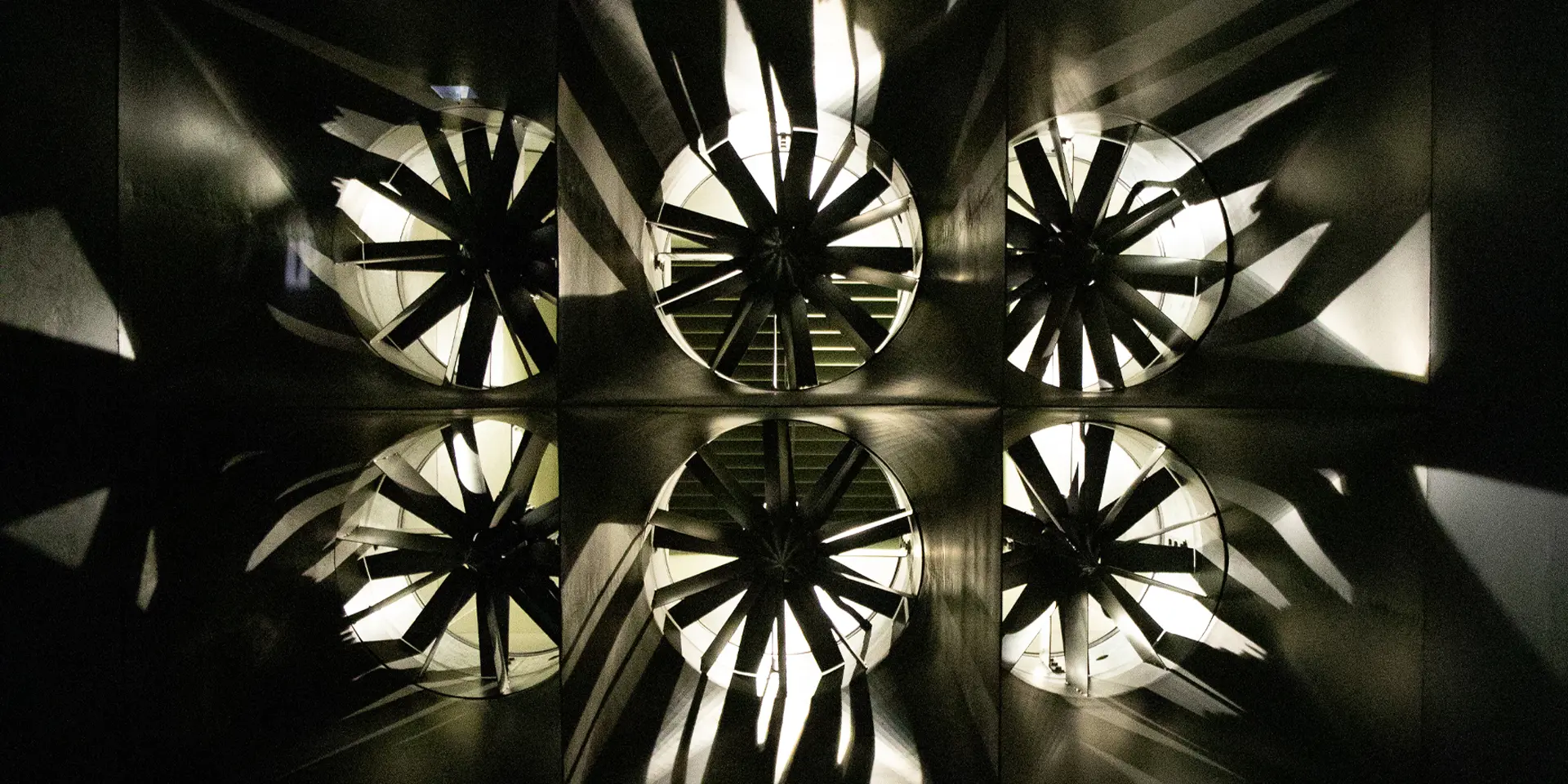
The Aerodynamics Experimental Laboratory of Politecnico di Milano is a reference infrastructure for aerodynamic and aeroacoustic experimentation, supporting both scientific research and industrial development.
Laboratory activities include experimental testing of models and components, force and pressure measurements, advanced flow diagnostics (PIV, anemometry, and optical techniques), and aeroacoustic analysis. These activities support applications in aeronautical, industrial, and sports engineering, both within the department’s facilities and in the Large Wind Tunnel of Politecnico di Milano (GVPM).
The laboratory participates in several European research projects on fixed-wing and rotary-wing aircraft, in collaboration with leading research institutes, as well as international universities.
__________
FACILITIES
__________
“SERGIO DE PONTE” WIND TUNNEL
Description
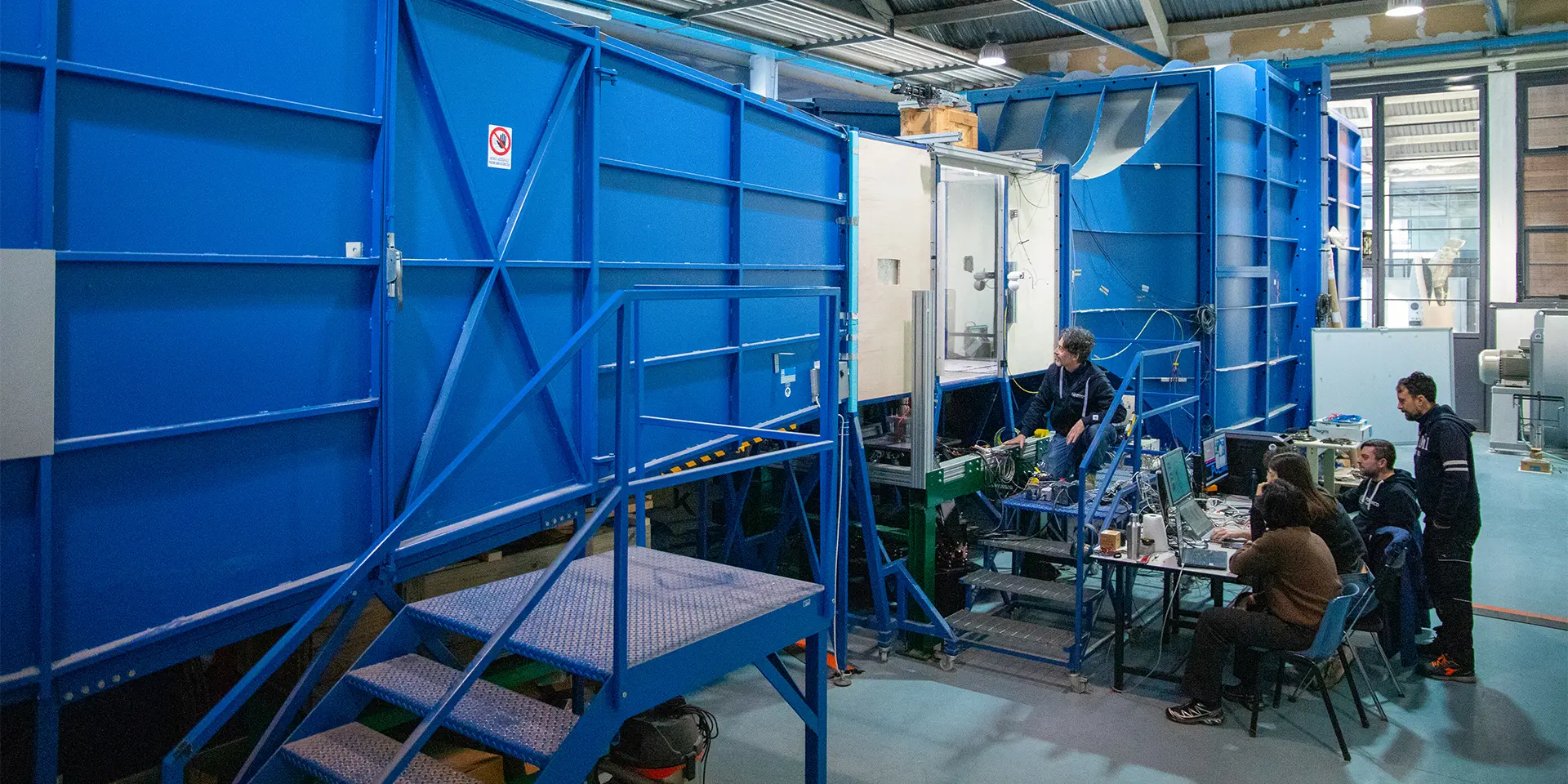
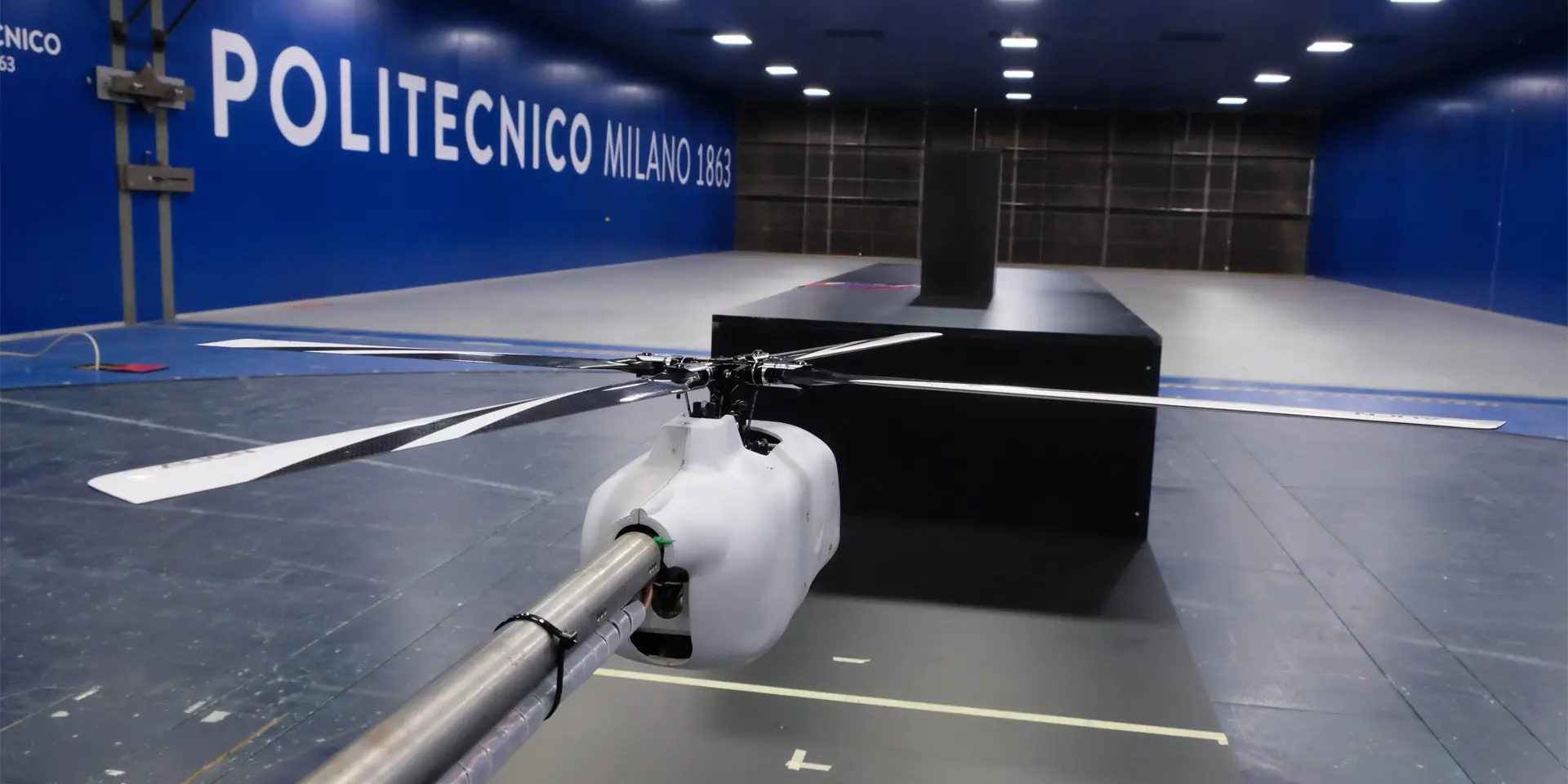
The “Sergio De Ponte” Wind Tunnel (Blue Wind Tunnel) is the flagship facility of the laboratory. Built in the early 2000s, it is a closed-circuit subsonic wind tunnel with a closed test section, dedicated to aerodynamic testing of scaled models and aeronautical and industrial components.
The facility is equipped with an auxiliary fan to compensate pressure variations in the test section, allowing operation even when the test section is not sealed.
In addition, it features a six-degree-of-freedom model positioning system, enabling unsteady aerodynamic measurements.
The wind tunnel is used both for fundamental research activities and for experimental campaigns carried out in collaboration with industrial partners.
Technical Specifications
- Test section dimensions: 1.5 m × 1 m × 3 m (height × width × length)
- Maximum speed: 58 m/s
- Turbulence intensity in the test section: < 0.13%
- Dynamic positioning range: ±50 mm, ±20°, 0.5 m/s, 150°/s
- Installed electrical power: 100 kW
__________
AEROACOUSTIC WIND TUNNEL
Description
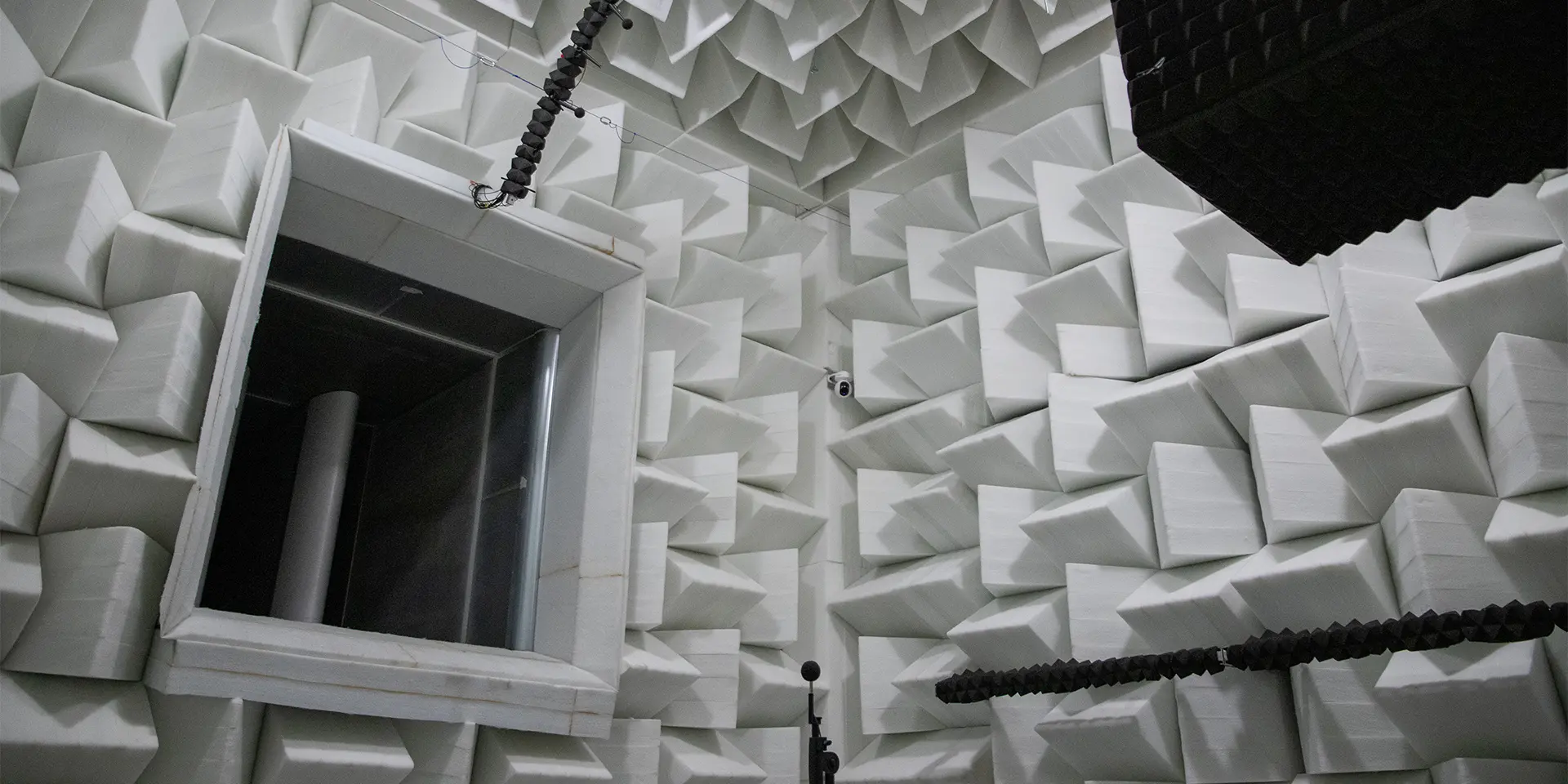
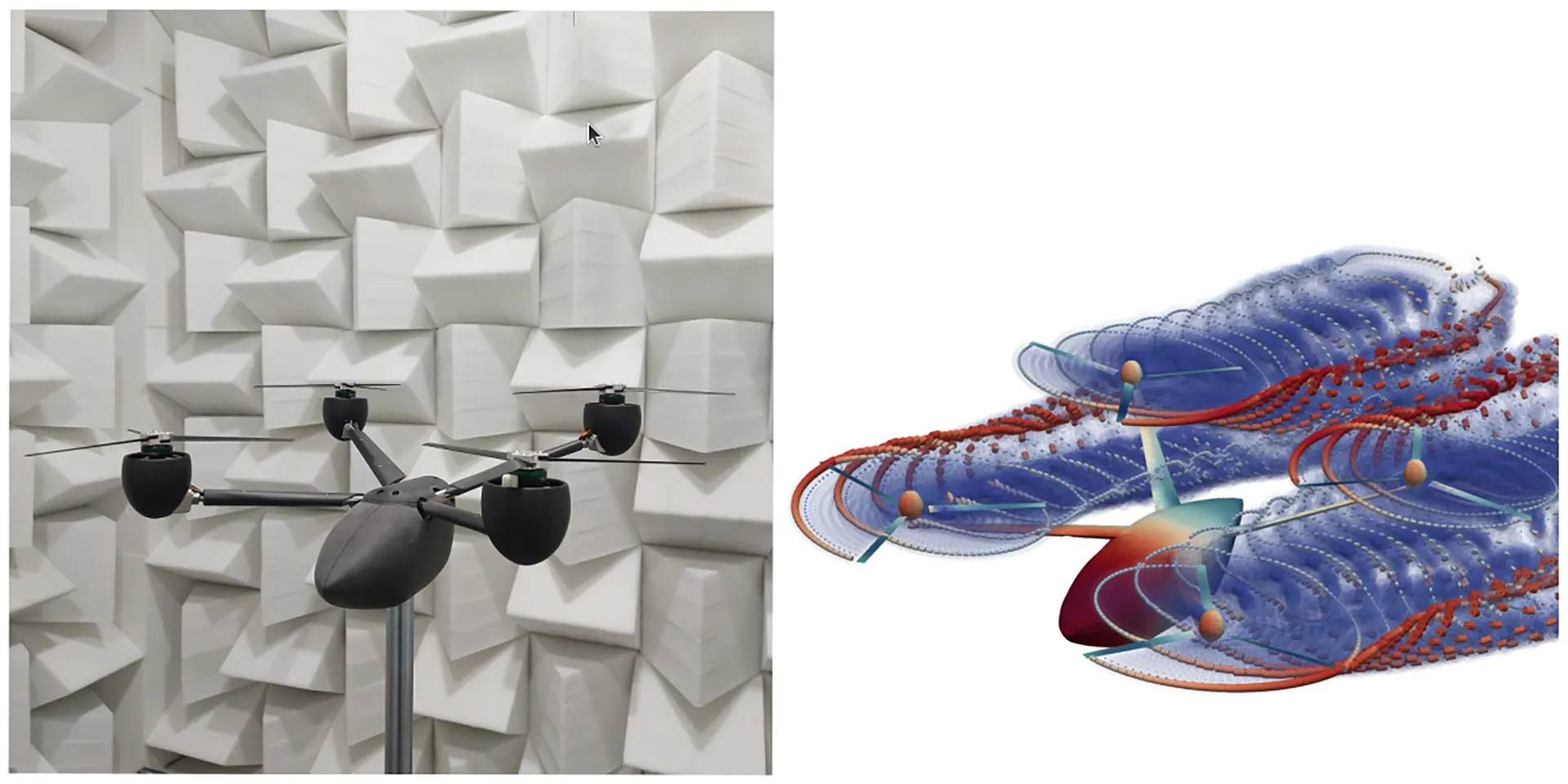
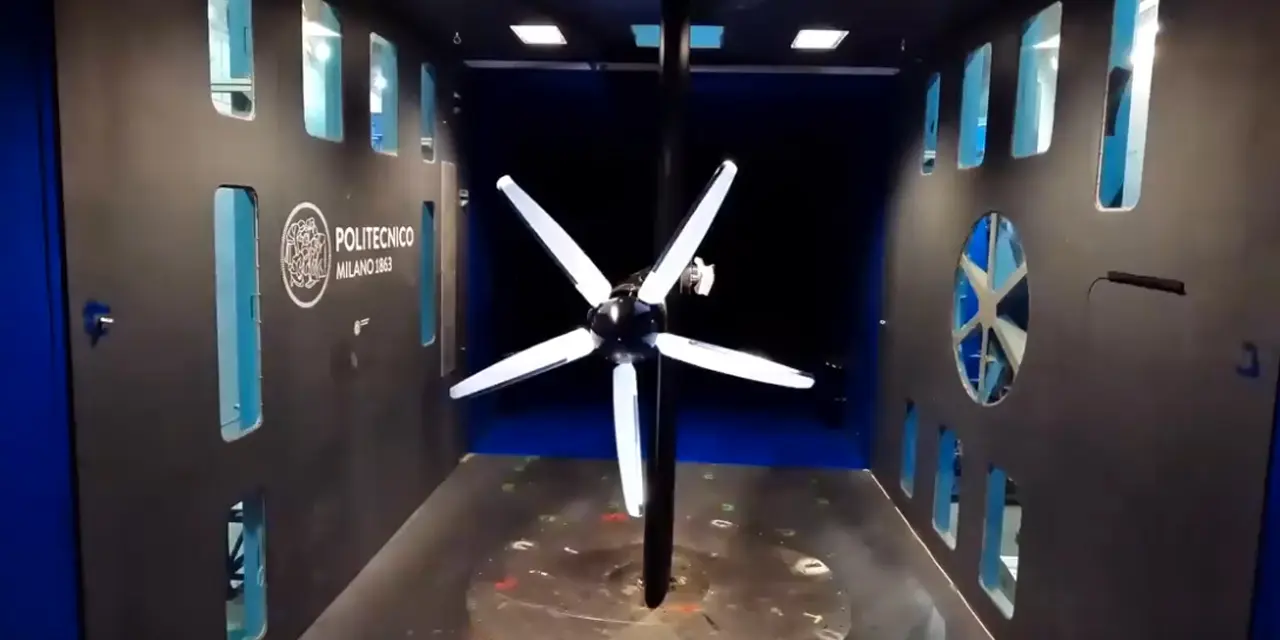
The Aeroacoustic Wind Tunnel (White Wind Tunnel), commissioned in 2025, is an open-circuit subsonic wind tunnel with an open test section, specifically designed to study the interaction between aerodynamic flow and noise generation.
The facility enables the investigation of aeroacoustic phenomena associated with rotors, wings, and aeronautical components, with particular emphasis on noise reduction.
It represents a strategic infrastructure for the development of innovative solutions in the field of advanced and sustainable air mobility.
Technical Specifications
- Test section dimensions: 4 m × 4 m × 4 m (height × width × length)
- Maximum usable free-jet size: 0.5 m × 0.7 m
- Maximum speed: 43 m/s
- Turbulence intensity: < 0.3%
- Fully anechoic down to 100 Hz
- Installed electrical power: 37 kW
__________
TEACHING WIND TUNNEL
Description
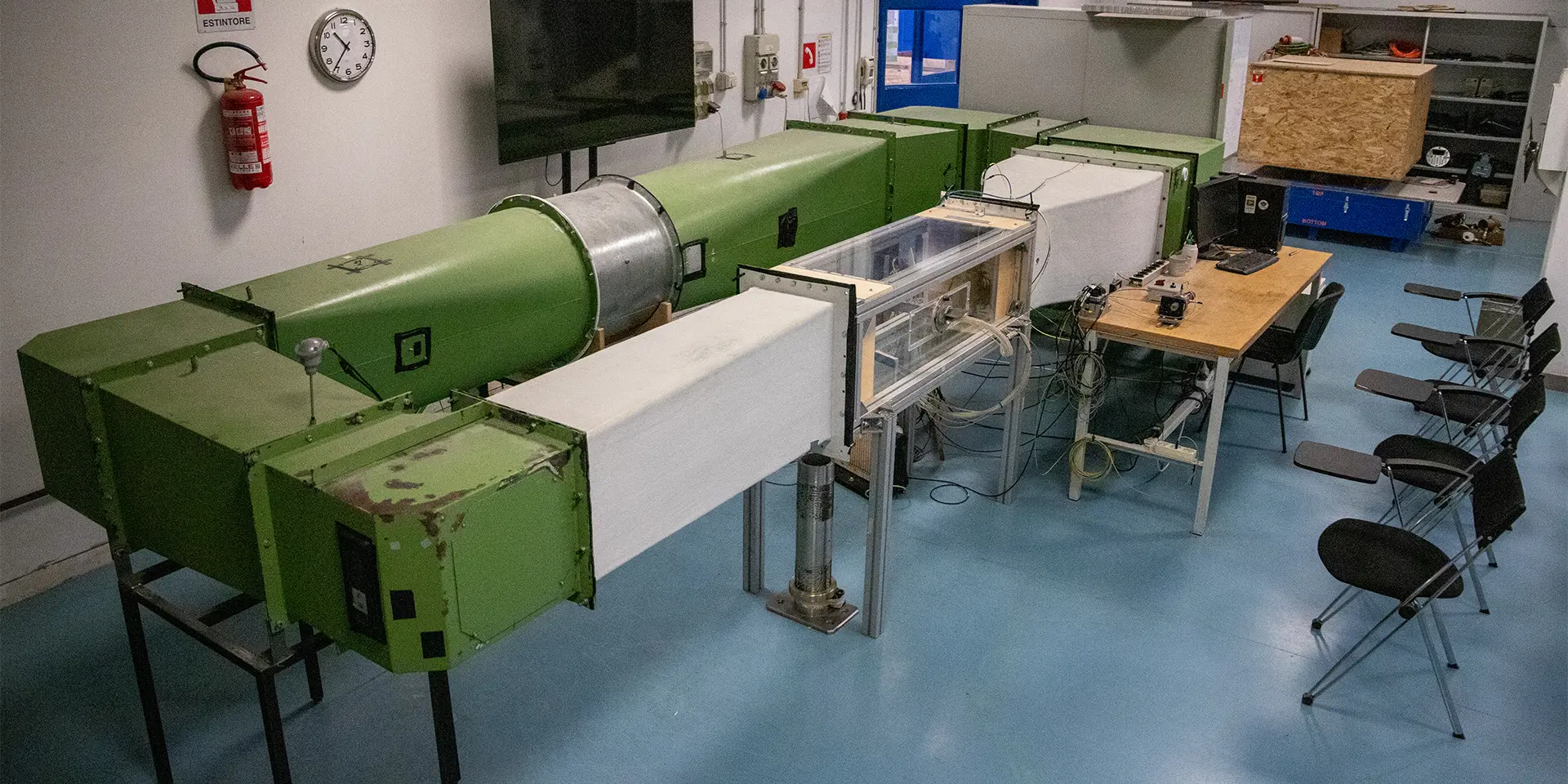
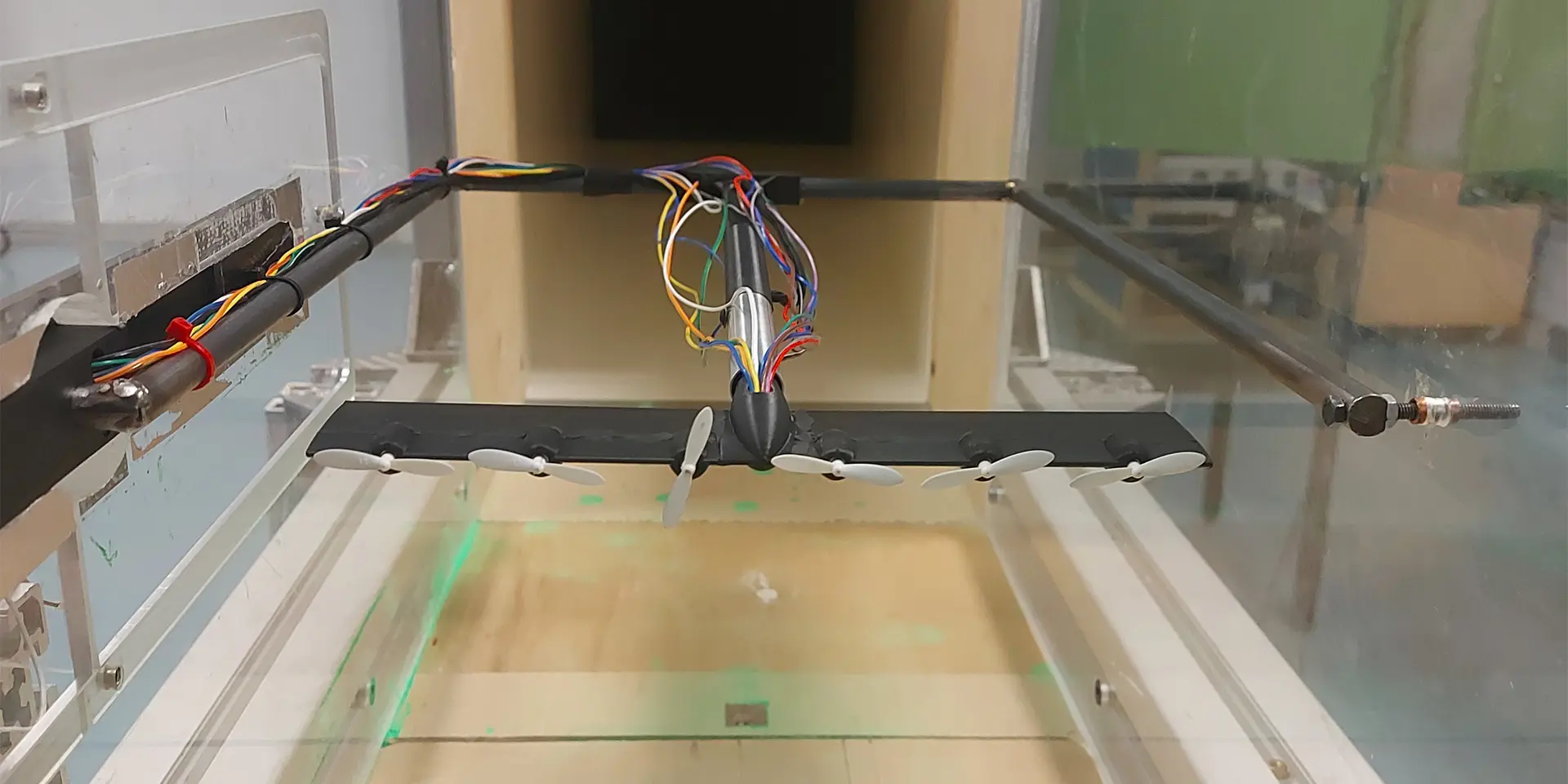
The Teaching Wind Tunnel (Green Wind Tunnel), upgraded in 2022 from a previous facility, is a closed-circuit subsonic wind tunnel with a closed test section.
It is primarily used for laboratory activities within aerodynamics courses and represents a fundamental tool for the experimental training of students, allowing them to complement theoretical preparation with hands-on experience in measurements, data acquisition, and analysis of fluid-dynamic phenomena.
In addition to teaching activities, the Green Wind Tunnel is also used for research projects and student theses.
Technical Specifications
- Test section dimensions: 0.3 m × 0.45 m × 1.4 m (height × width × length)
- Maximum speed: 37 m/s
- Turbulence intensity in the test section: < 0.35%
- Installed electrical power: 6.5 kW
__________
INSTRUMENTATION
__________
- Single- and biaxial load cells and six-component balances with different measurement ranges
- Pressure scanners capable of acquiring up to 400 simultaneous channels
- High-sensitivity pressure transducers, with capability for unsteady measurements
- Pressure probes (Pitot tubes and multi-hole directional probes)
- 2D and 3D Particle Image Velocimetry (PIV) systems
- Hot-wire anemometry system with 1D and 3D probes
- Microphones, up to 23 simultaneous channels
- Single- and triaxial accelerometers and single-axis inclinometers
- High-sensitivity infrared thermal camera
- 3D motion tracking system (up to 8 cameras)
- China-clay and fluorescent micro-tufts with UV illumination for surface flow visualization
- Smoke generators for flow visualization
- Motorized positioning systems up to 5 axes (travel ranges from 30 cm to 4 m)
- GVPM aerodynamic test-section positioning systems for standard aeronautical tests and high angle-of-attack testing
- GVPM positioning system in free-jet configuration
- Low-voltage DC power supplies up to 7 kW and 600 V, 75 kW regenerative power supply
__________
SERVICES PROVIDED
__________
The services offered by the aerodynamic laboratory cover the entire experimental workflow across the four available facilities, from test design to the execution and management of experimental campaigns.
In addition to the typical operational activities of a wind tunnel, the laboratory provides high value-added services, offering specialized expertise and advanced design capabilities, including:
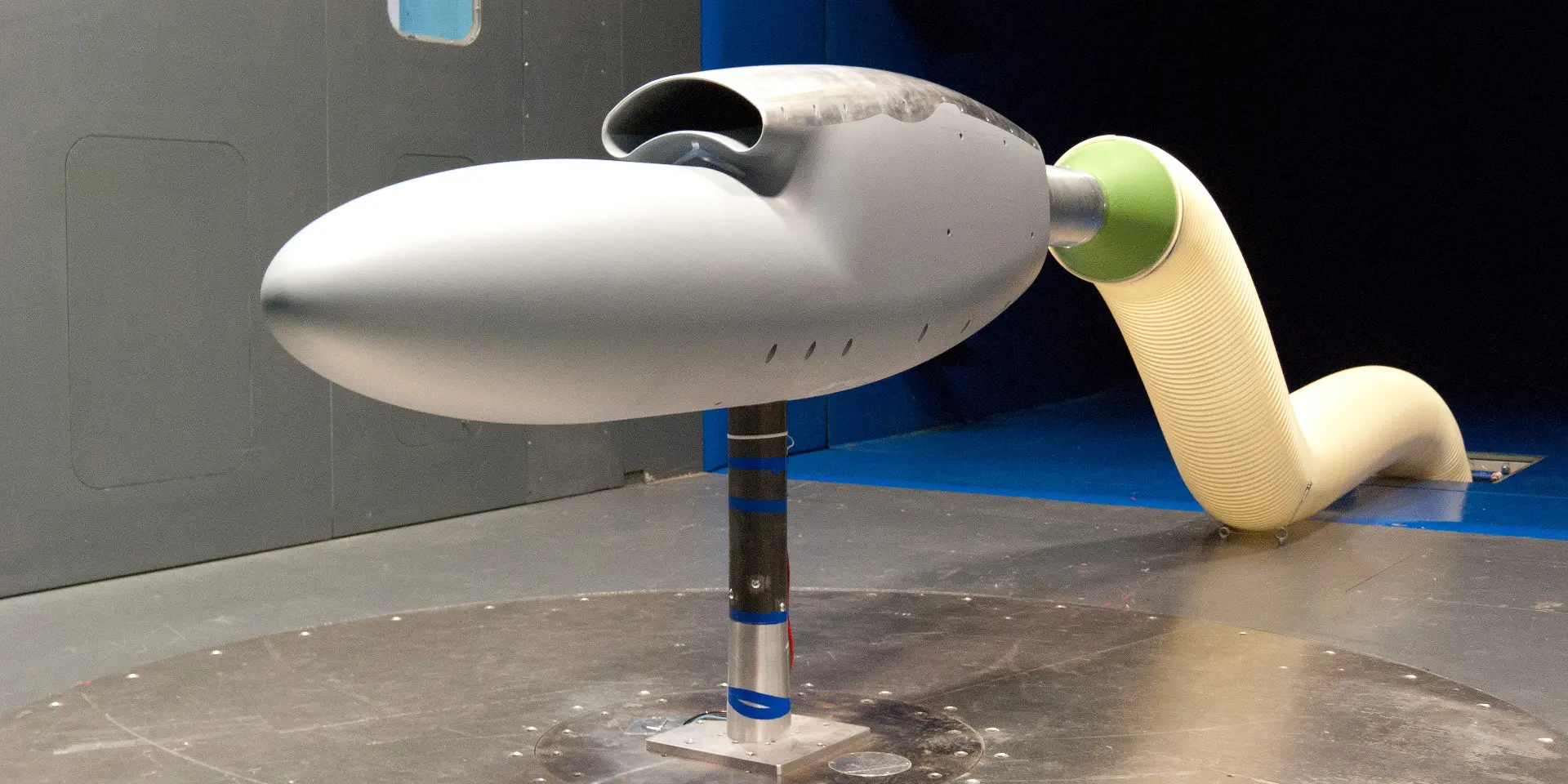
- Design, development, and manufacturing of wind-tunnel models, including powered models, covering technical design, mechanical integration, and structural verification through static and dynamic FEM analyses
- Specialized consultancy for the design and optimization of wind tunnels, from requirement definition to performance validation
- Planning and execution of outdoor measurement campaigns, using dedicated instrumentation and customized protocols
- Numerical modeling of steady and unsteady aerodynamics, supporting experimental activities or provided as a standalone service, using and developing in-house computational codes (DUST, ROSITA).




Magazine articles
19/09/2026
FESTIVAL INTERNAZIONALE DELL’INGEGNERIA 2026

24/07/2026
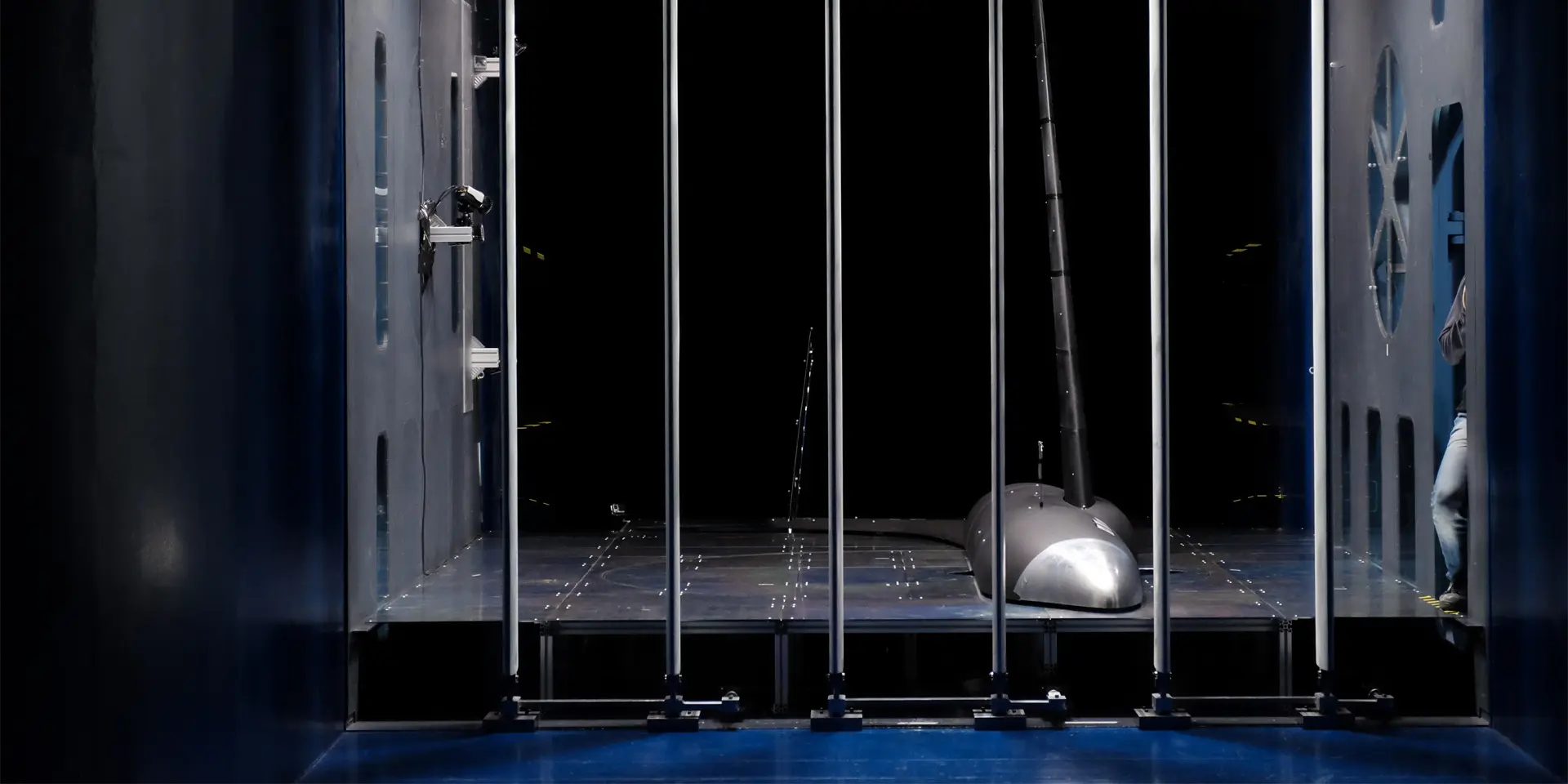
HERWINGT VALIDATES GUST AND MANOEUVRE LOAD ALLEVIATION TECHNOLOGIES ON A SCALED WIND-TUNNEL AEROSERVOELASTIC DEMONSTRATOR
07/07/2026
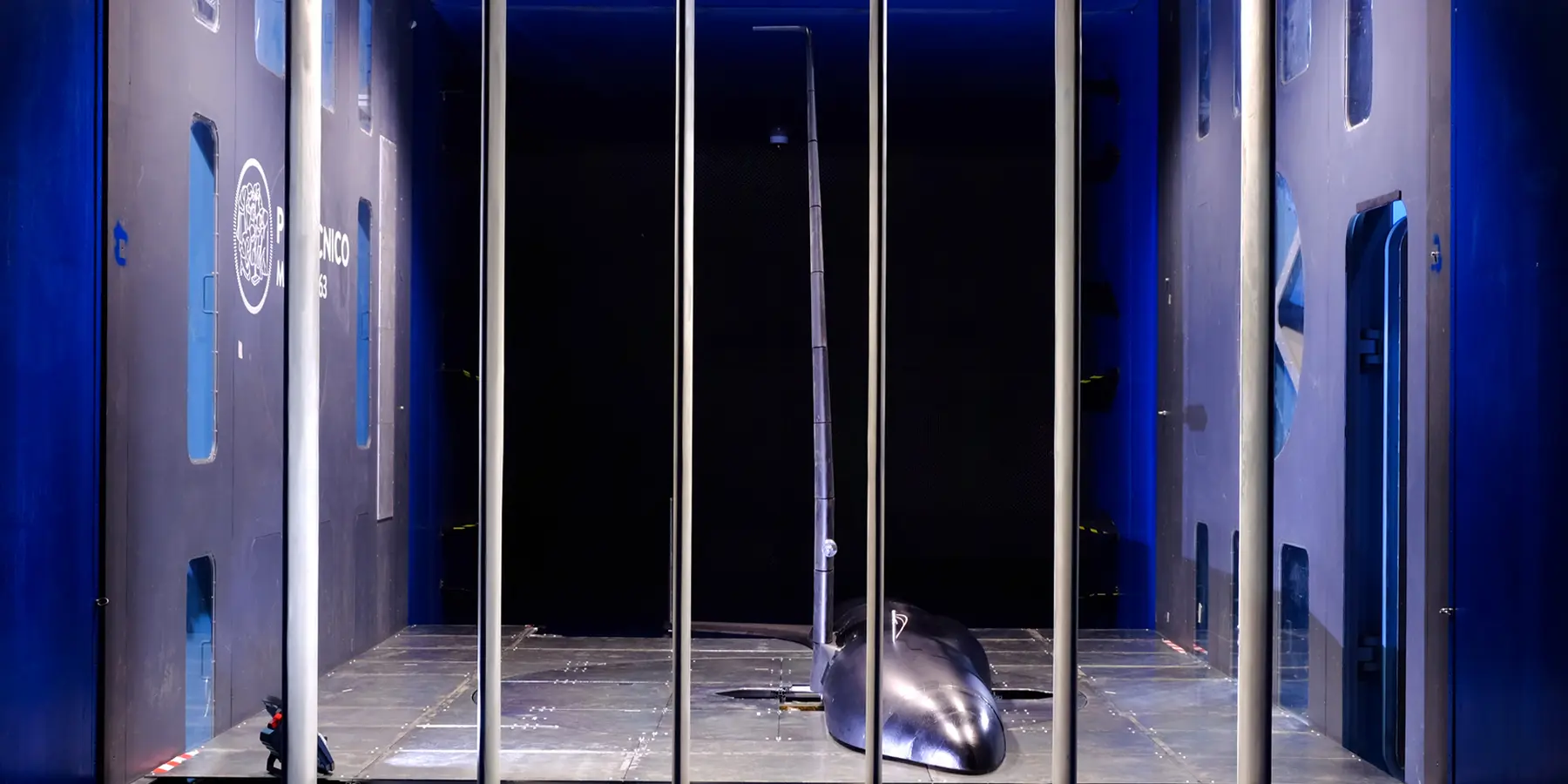
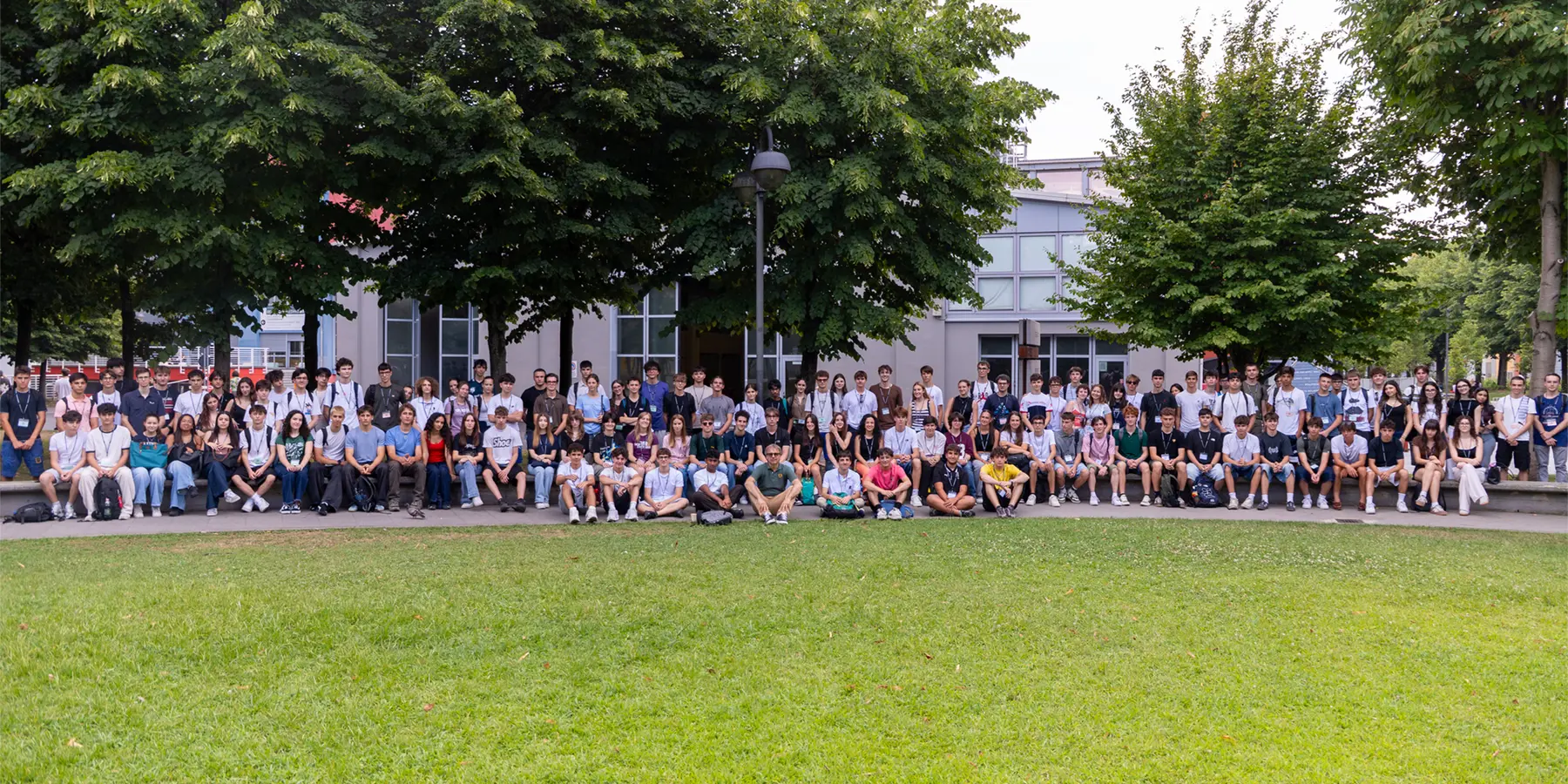
UN VOLO VERSO IL FUTURO: AL DAER LA XVI EDIZIONE DELLA SUMMER SCHOOL
30/06/2026
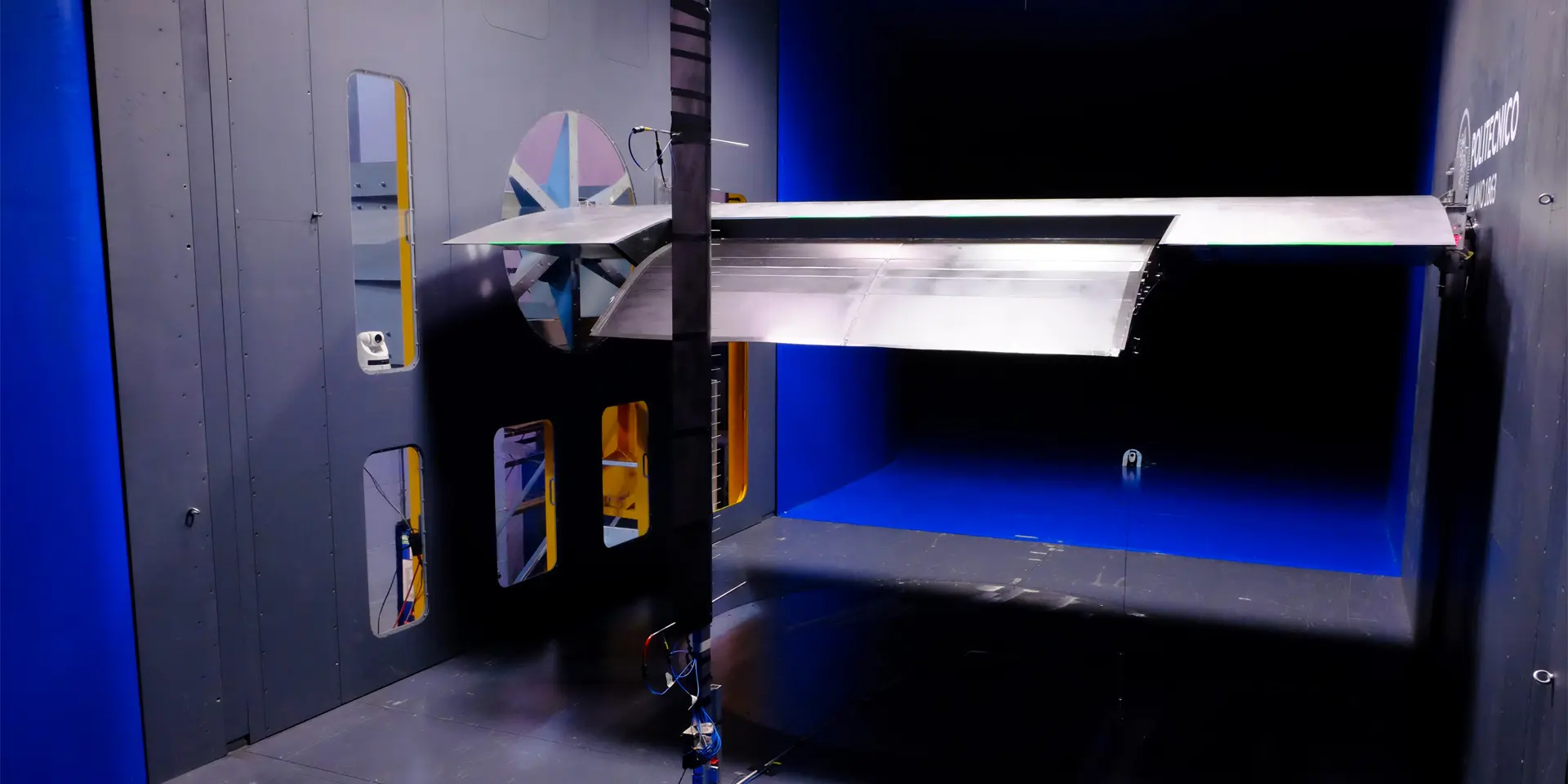
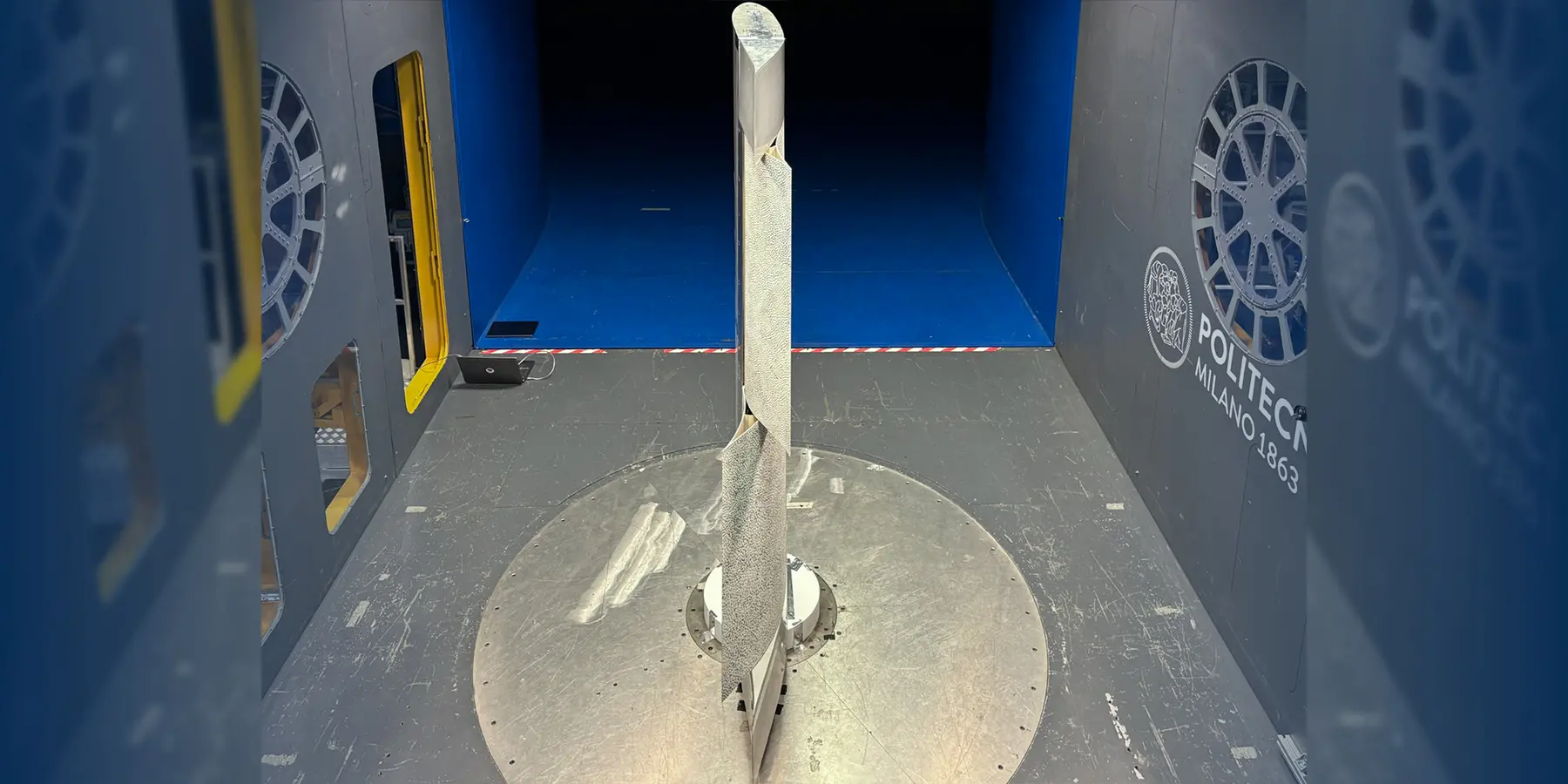
HERWINGT Successfully Validates Full-Scale Morphing Ailerons in Wind Tunnel Tests
03/06/2026
AGIS E ATE IN VISITA AI LABORATORI DAER
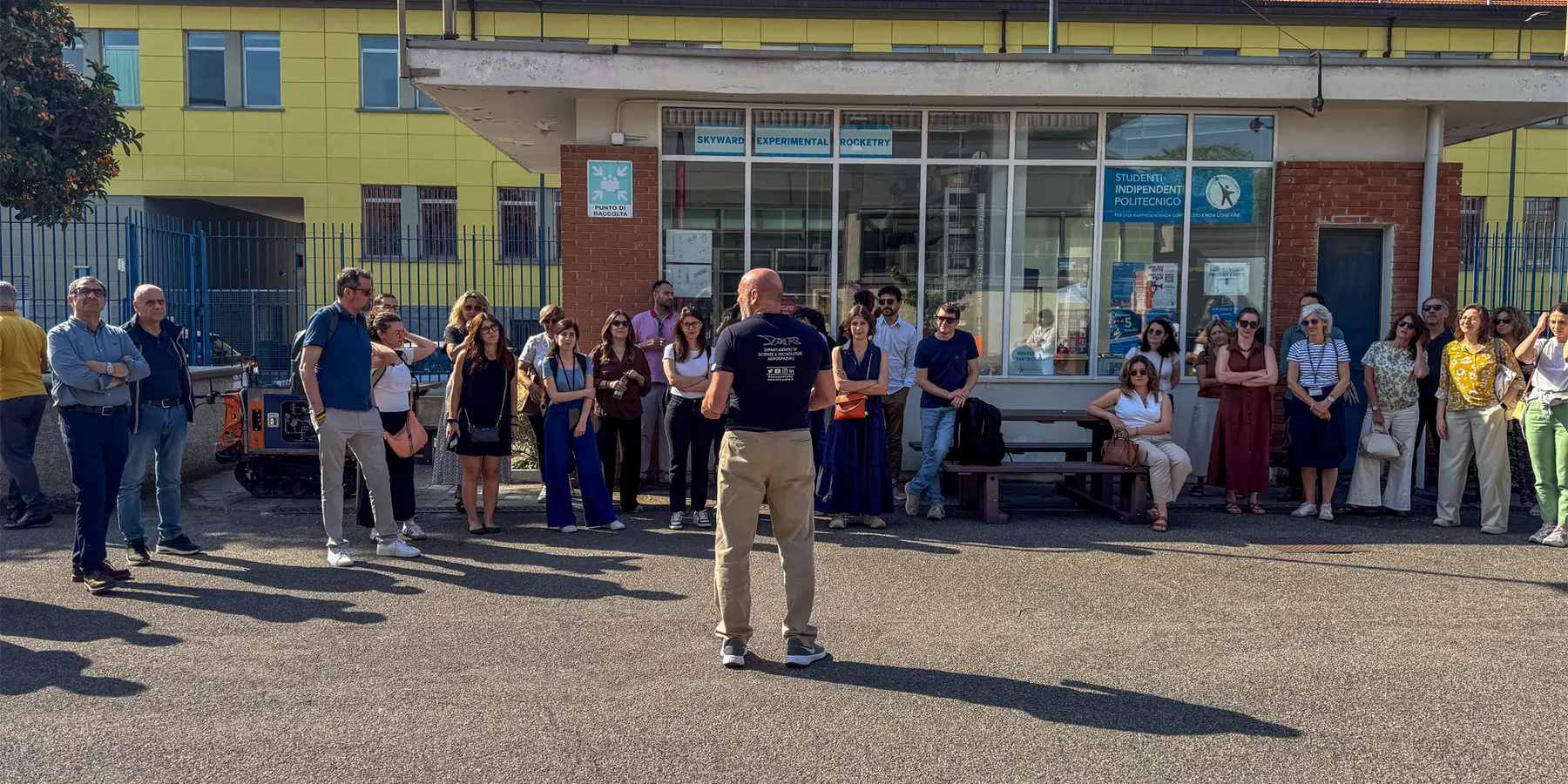
13/03/2026
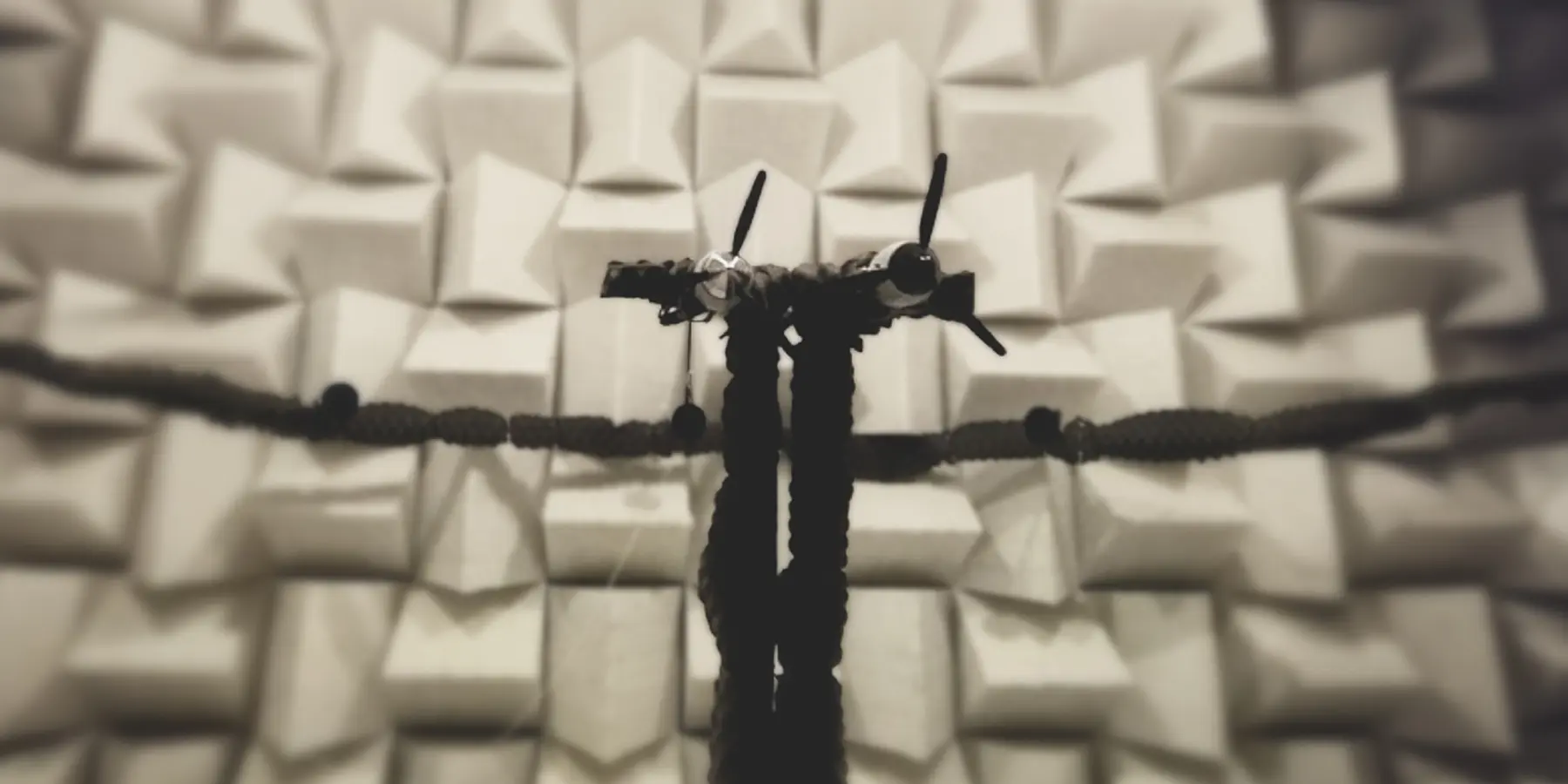
PROF. ALEX ZANOTTI ACTIVITY SELECTED BY AEROACOUSTICS SPECIALISTS’ COMMITTEE (ASC) OF THE COUNCIL OF EUROPEAN AEROSPACE SOCIETIES (CEAS) ON 2024 HIGHLIGHTS REPORT
11/02/2026
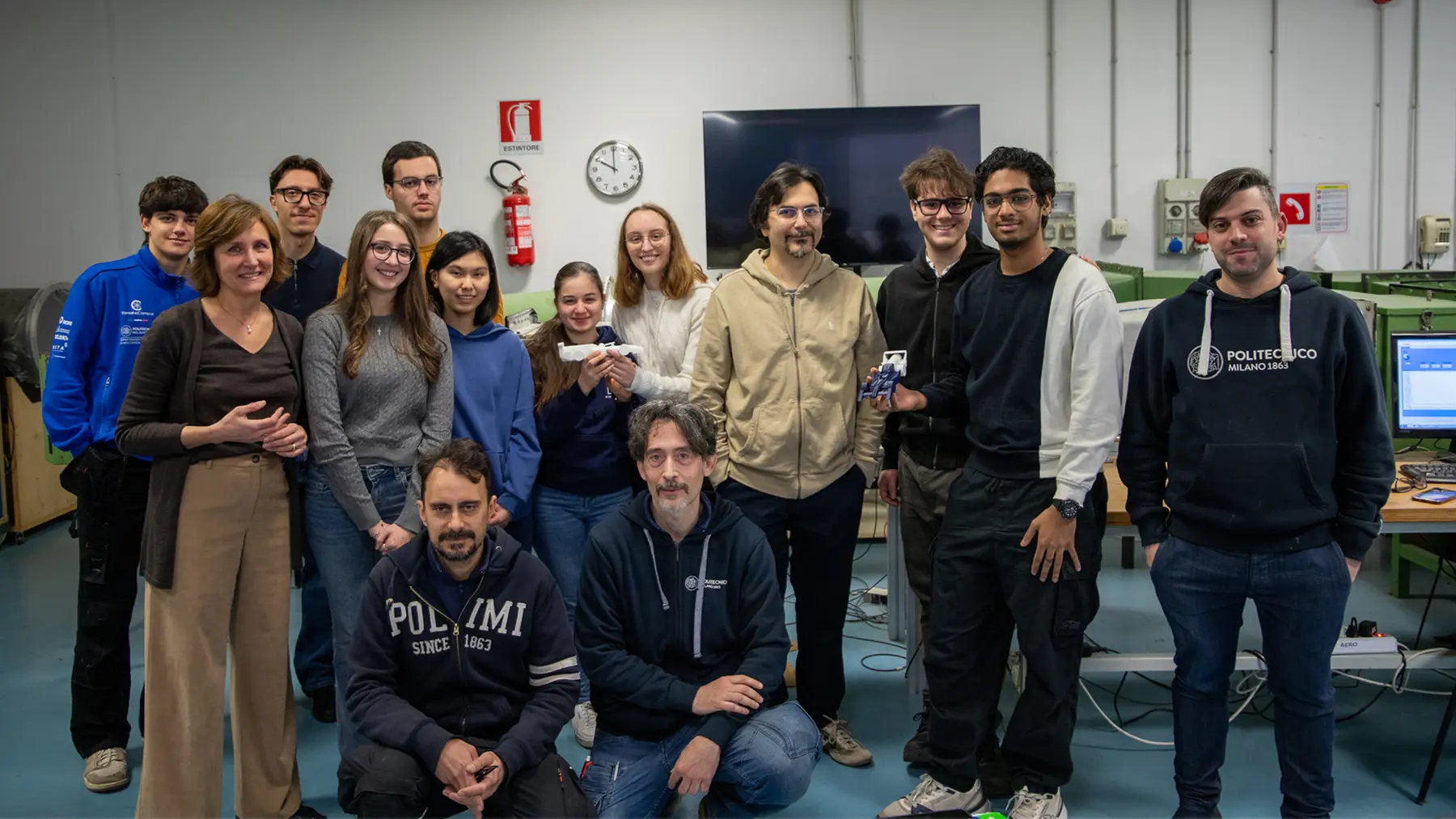
FROM THE CLASSROOM TO THE TRACK: LICEO SCIENTIFICO LEONARDO DA VINCI OF MILAN AND POLITECNICO DI MILANO TOGETHER FOR STEM RACING ITALY
21/12/2025
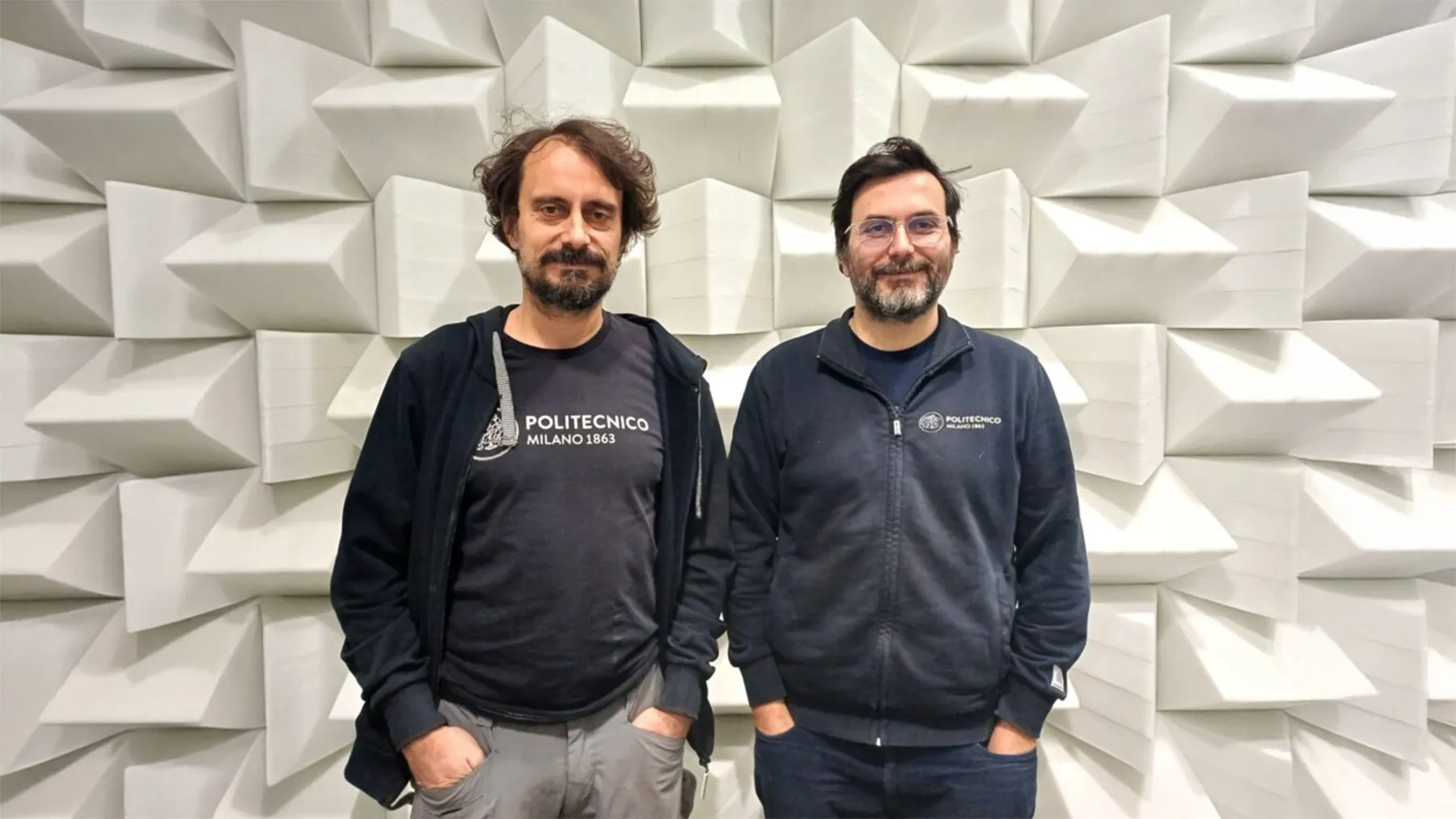
ALEX ZANOTTI AND DONATO GRASSI PRESENT THE NEW ANECHOIC WIND TUNNEL ON FRONTIERE
19/09/2025
FESTIVAL INTERNAZIONALE DELL’INGEGNERIA 2025
11/07/2025
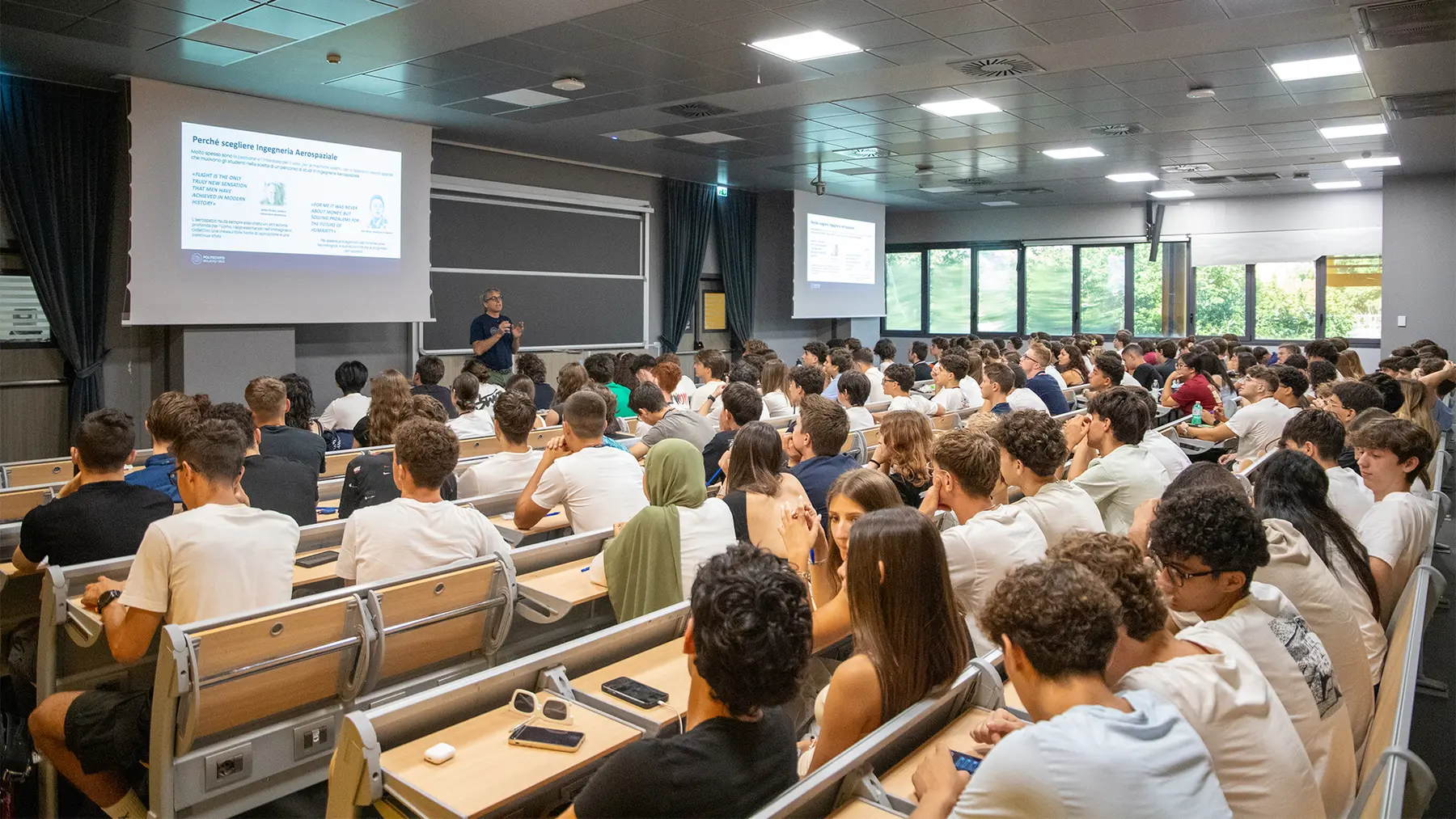
DAER SUMMER SCHOOL 2025
20/06/2025
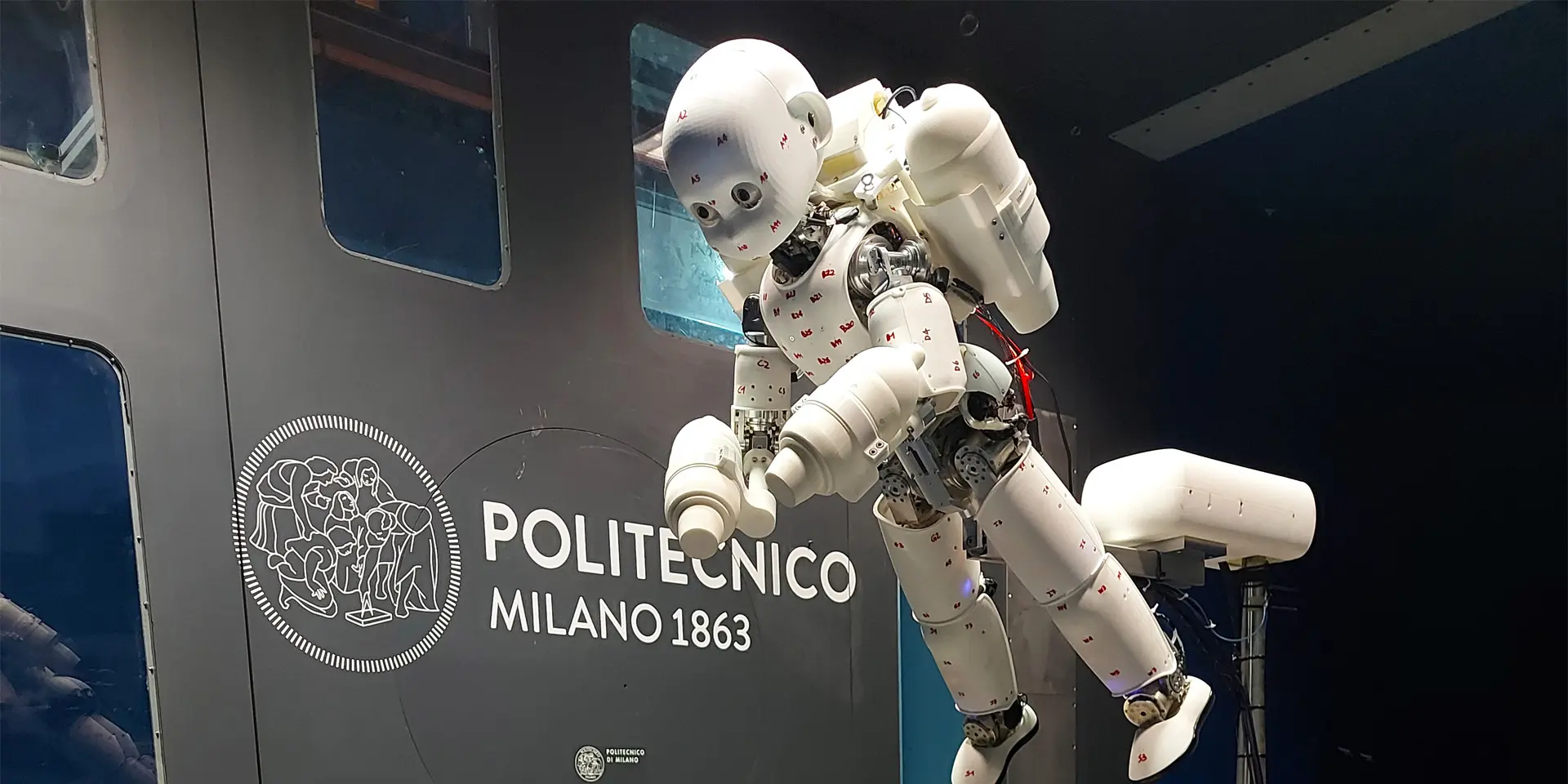
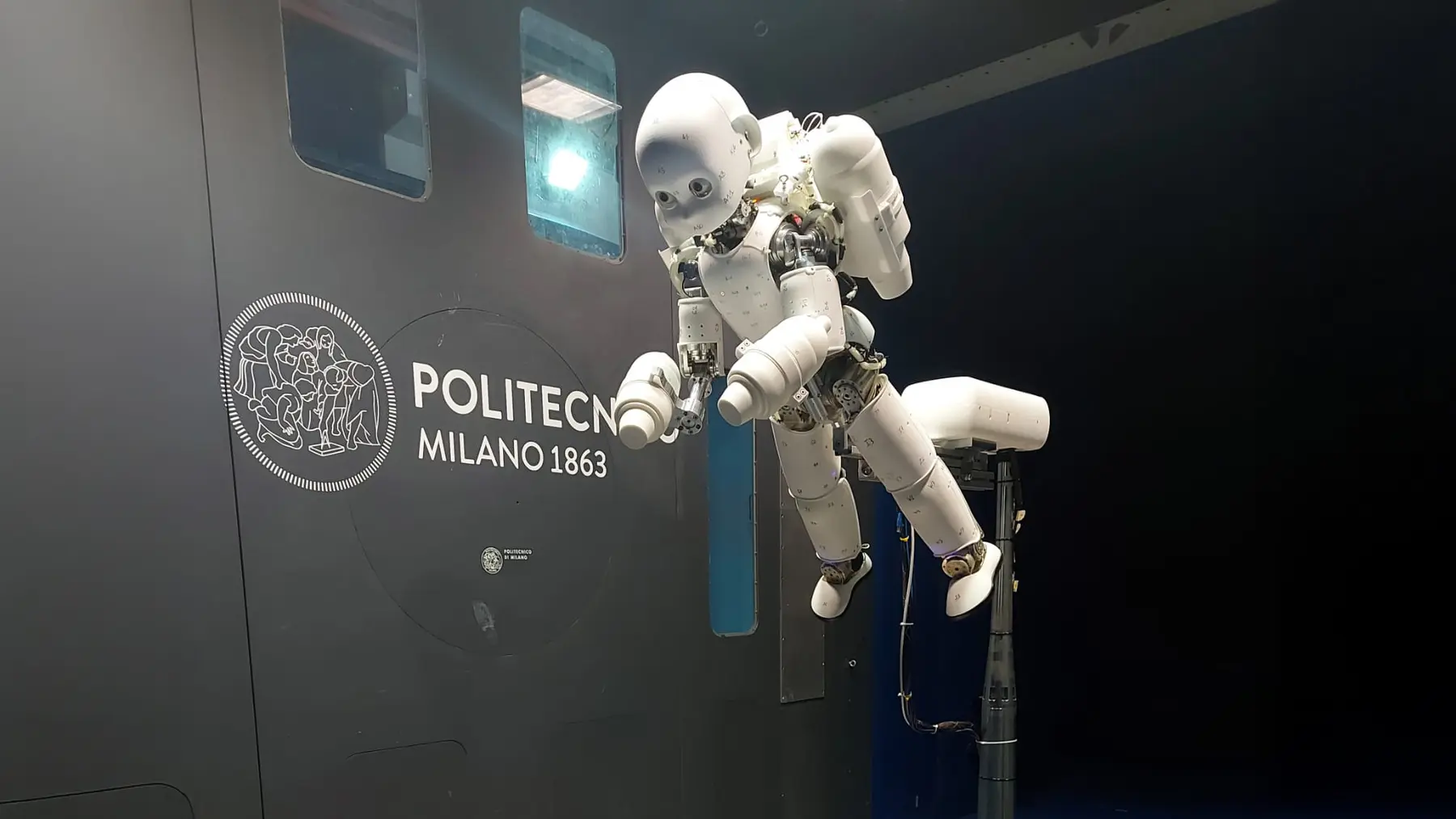
AERODYNAMIC TESTING OF A FLYING HUMANOID ROBOT: DAER’S CONTRIBUTION TO A WIND TUNNEL CAMPAIGN
10/06/2025
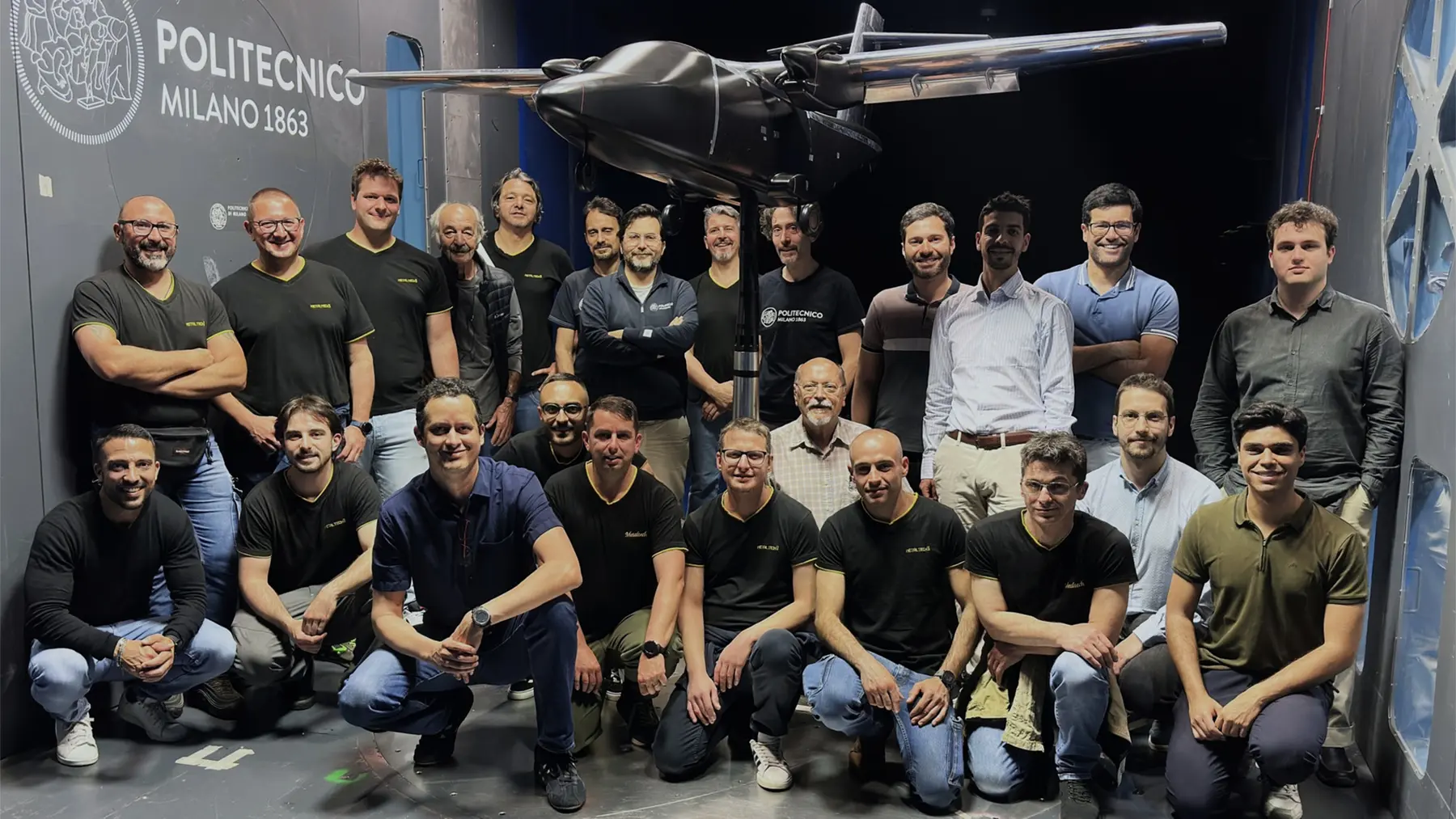
WIND TUNNEL TESTS ON LUS - 222 AIRCRAFT
10/06/2025
LINCONTRI TRA STRUTTURE: I LABORATORI DAER SI RACCONTANO AD ASICT E AAF
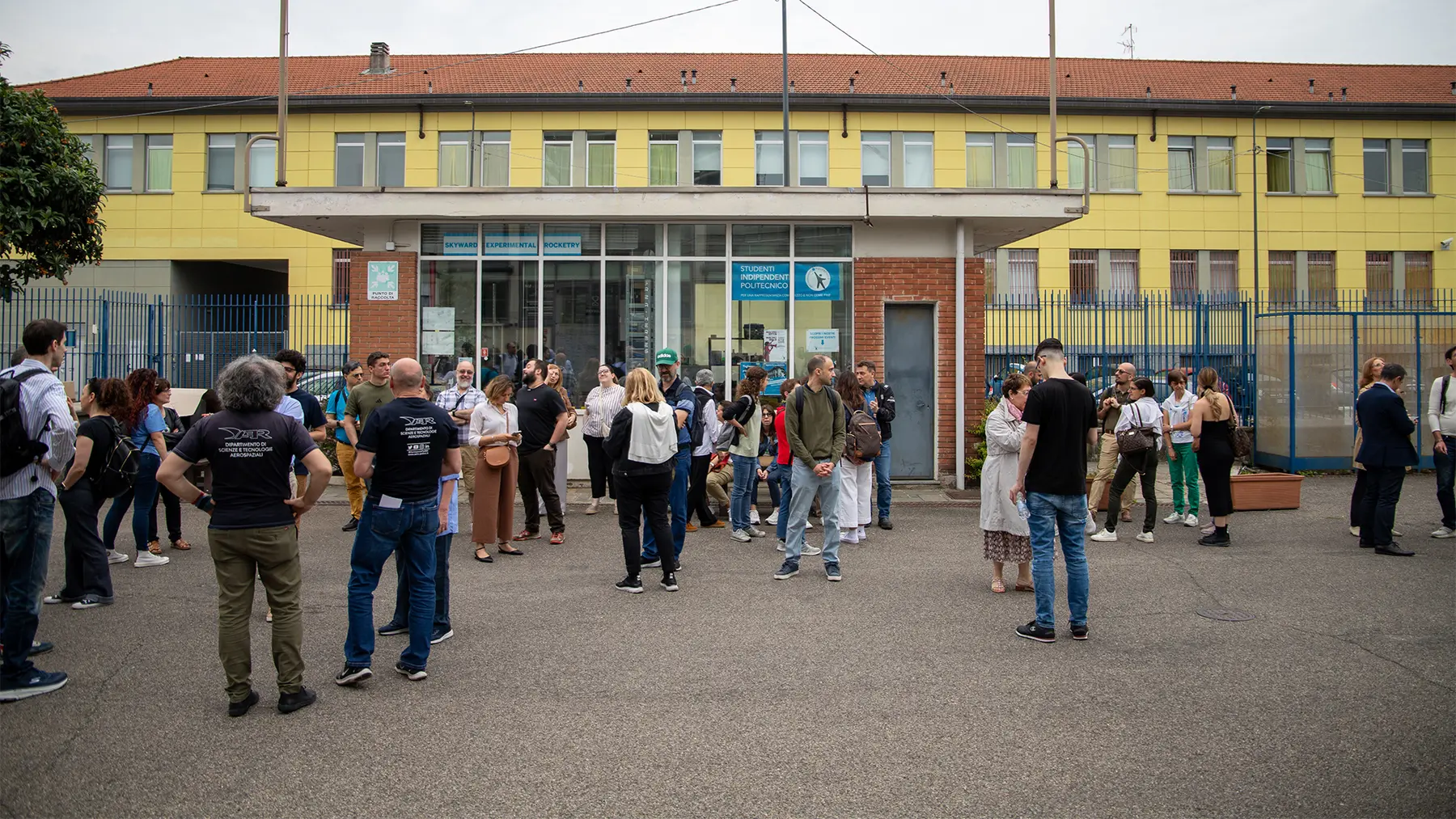
14/09/2024
FESTIVAL INTERNAZIONALE DELL’INGEGNERIA 2024

15/07/2024
DAER SUMMER SCHOOL 2024
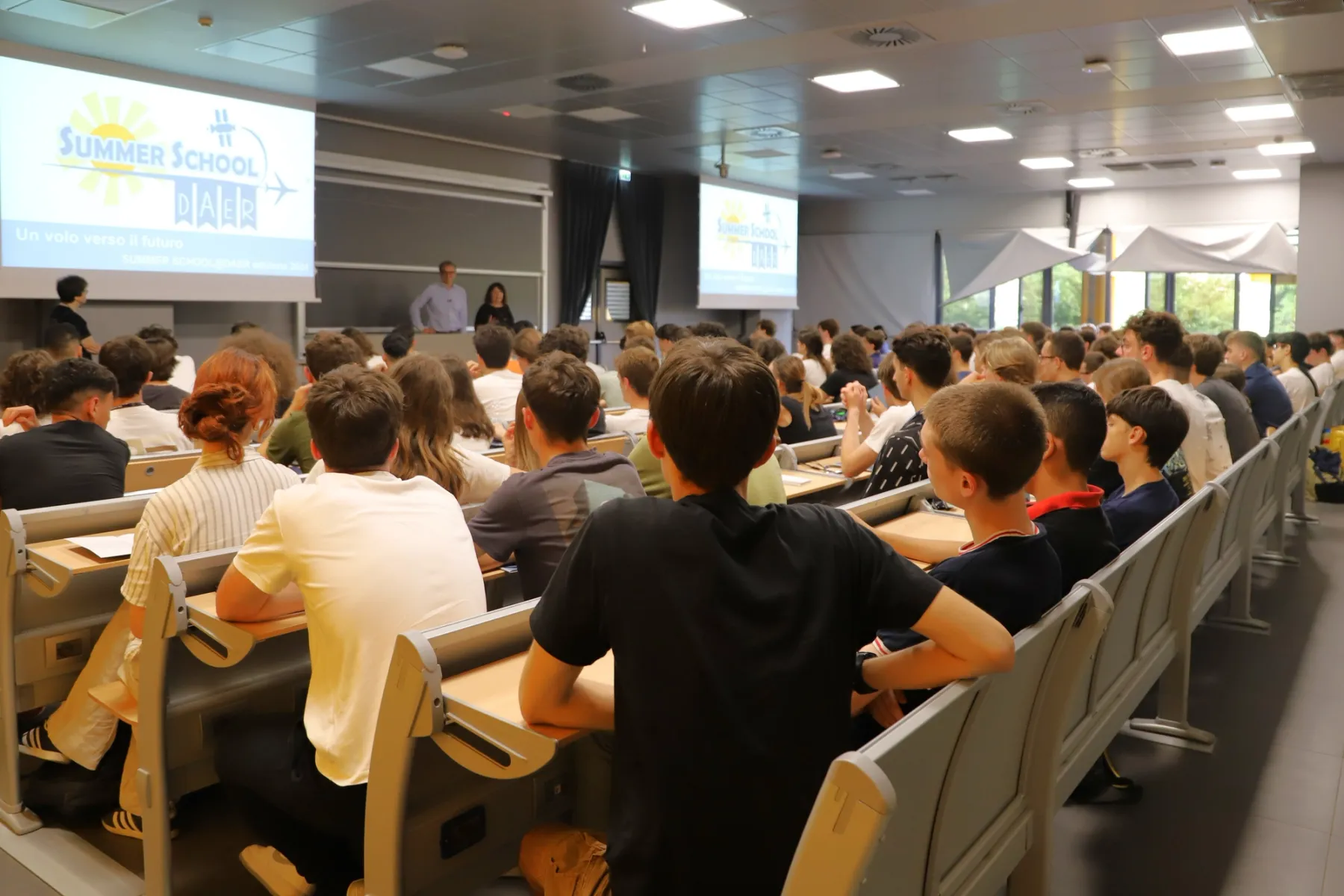
05/06/2024
LABORATORI DAER APERTI PER IL PERSONALE DI ARUO E DELLA DIREZIONE GENERALE
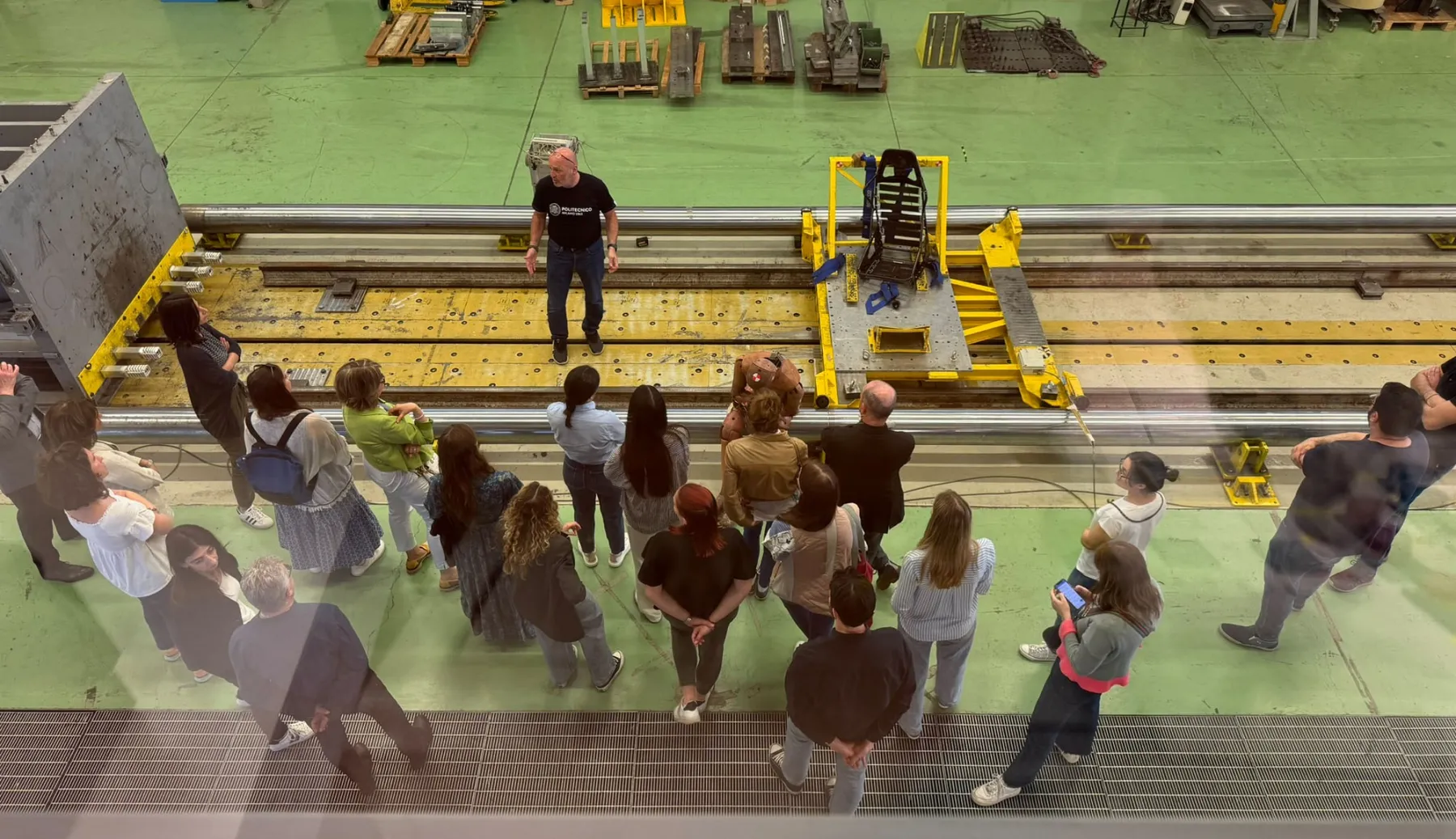
29/09/2023
FESTIVAL DELL’INGEGNER{I}A 2023
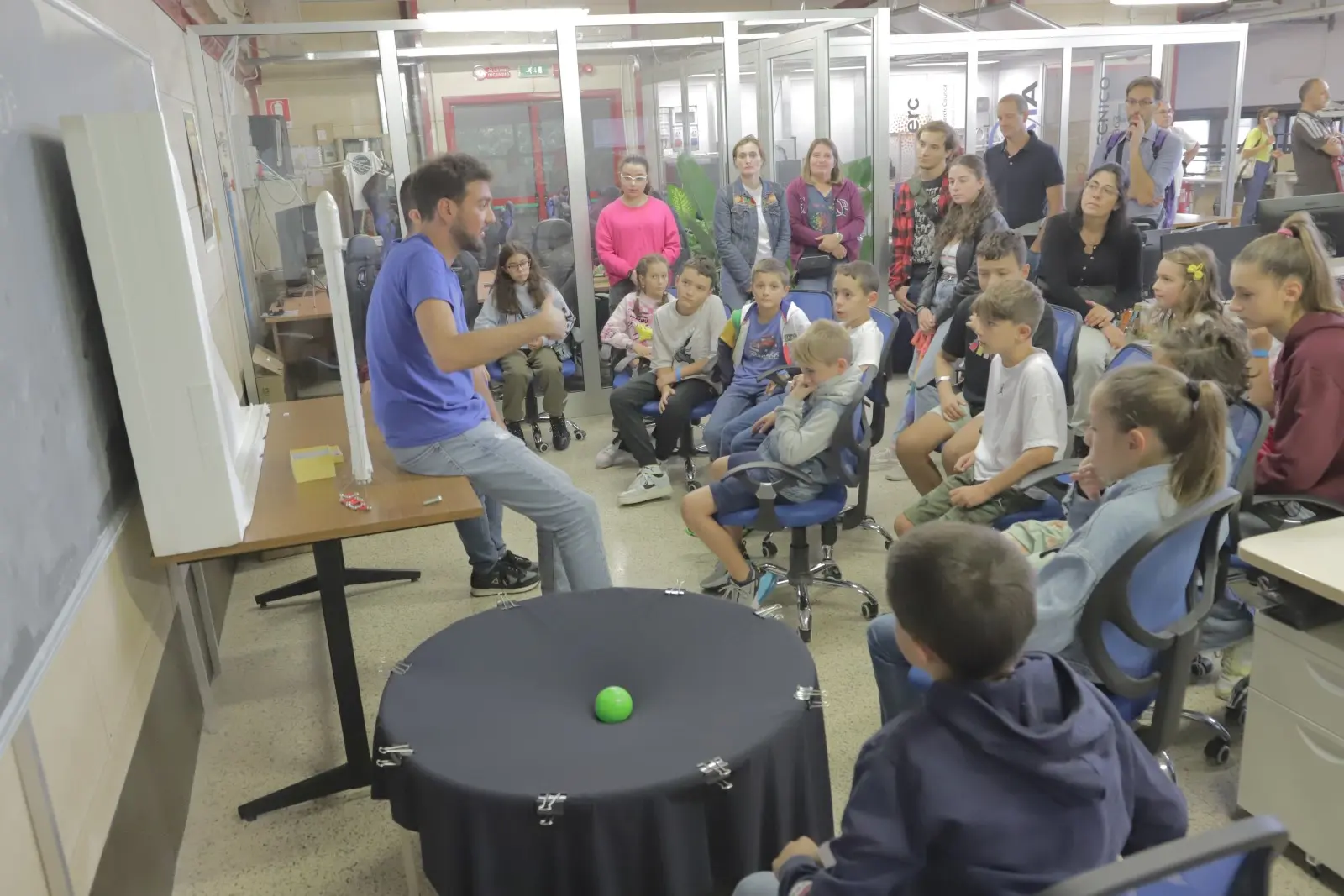
07/06/2023
IL DAER INCONTRA E SI RACCONTA ALL'AREA RICERCA, INNOVAZIONE E RAPPORTI CON LE IMPRESE
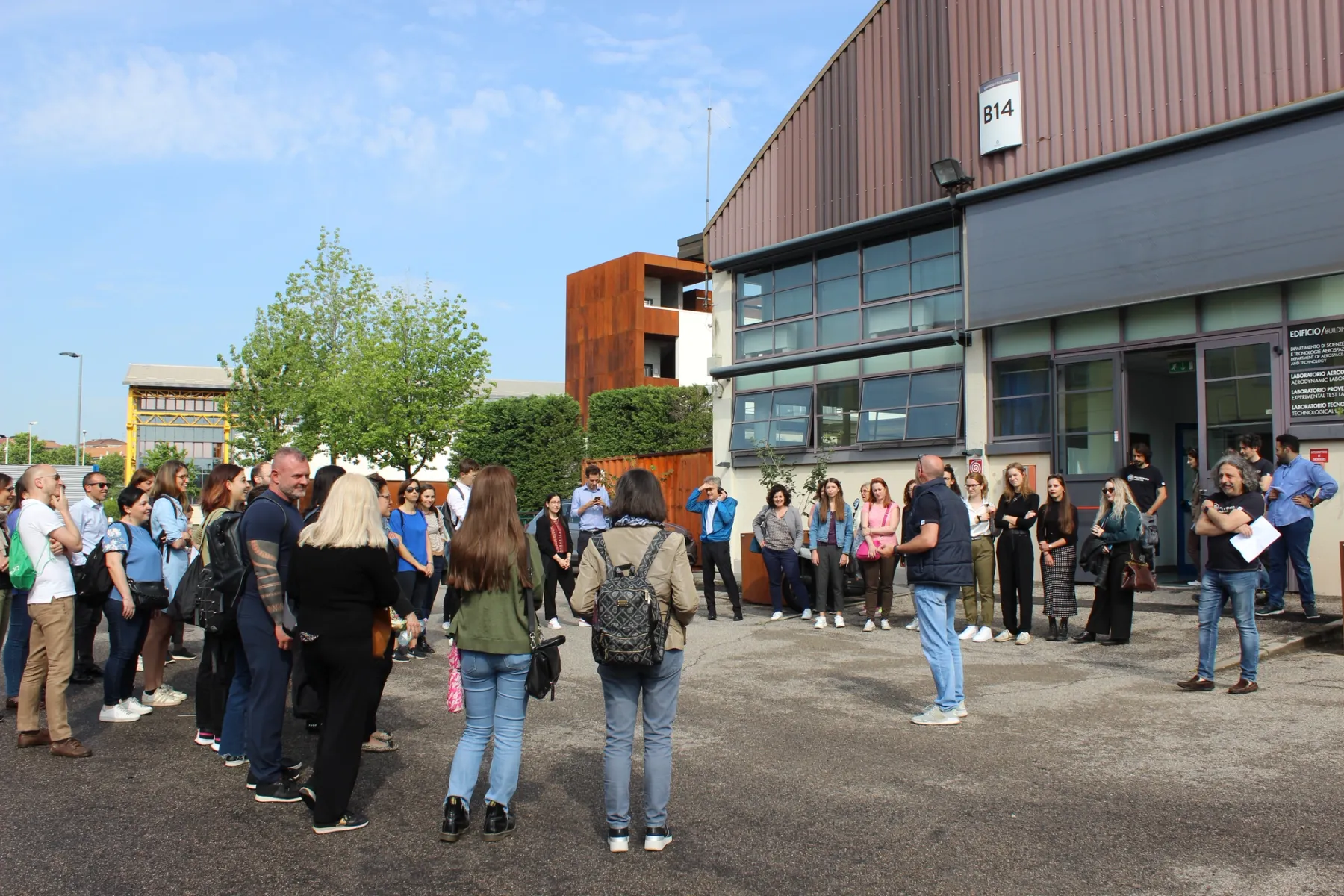
09/09/2022
2022 FESTIVAL DELL'INGEGNERIA DEL POLITECNICO DI MILANO
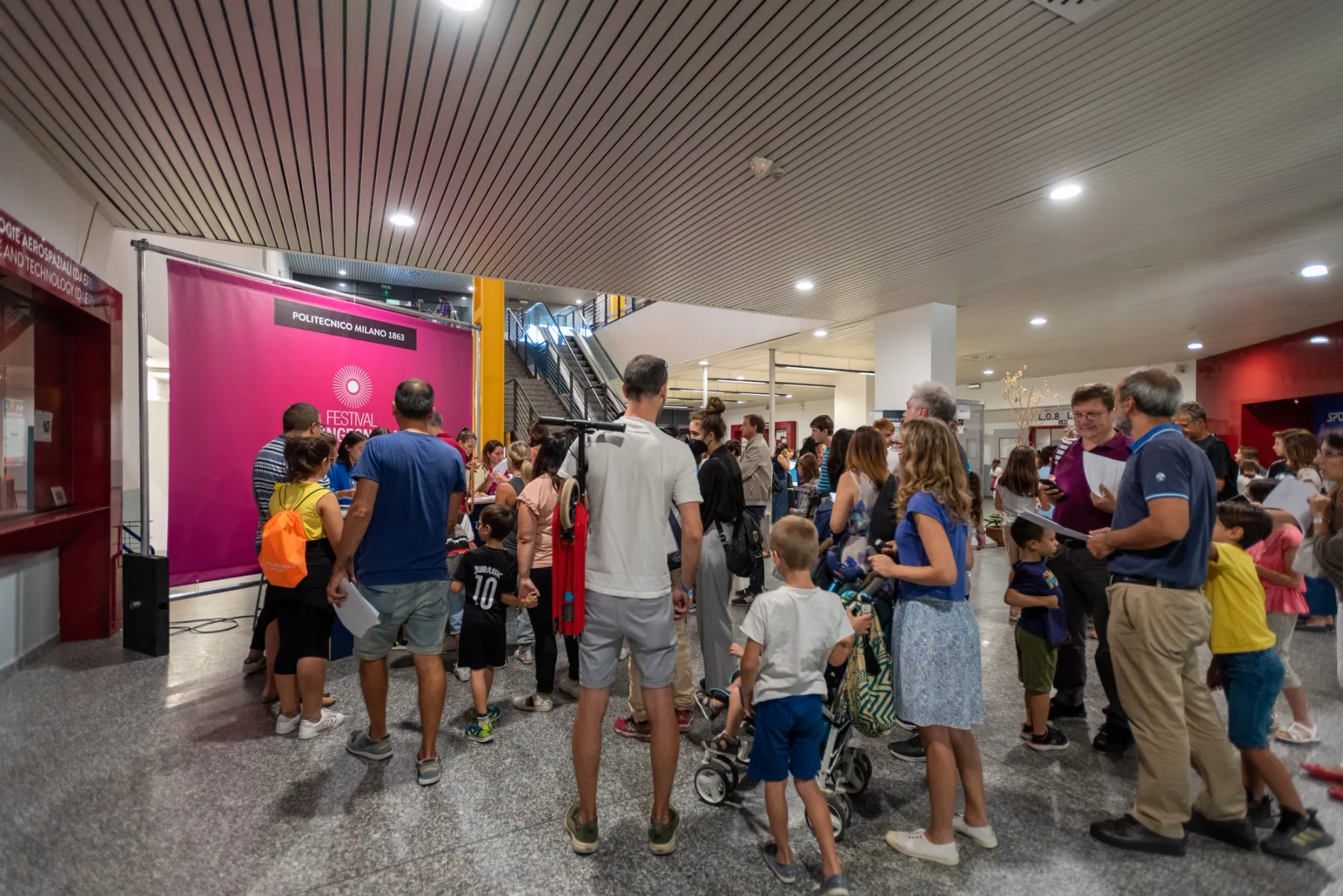
10/09/2021
2021 FESTIVAL DELL'INGEGNERIA DEL POLITECNICO DI MILANO
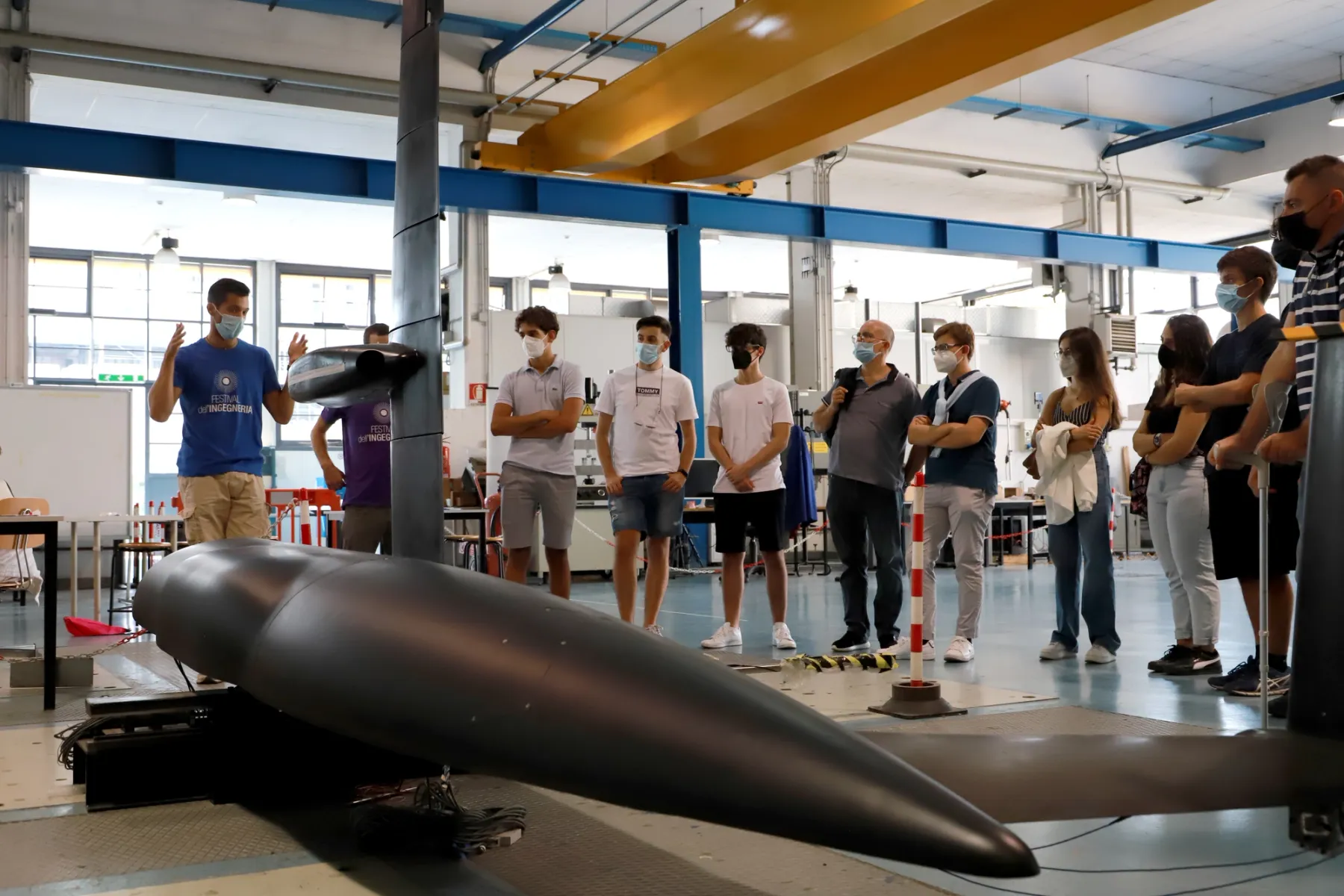
30/11/2019
2019 DAER OPENLABS
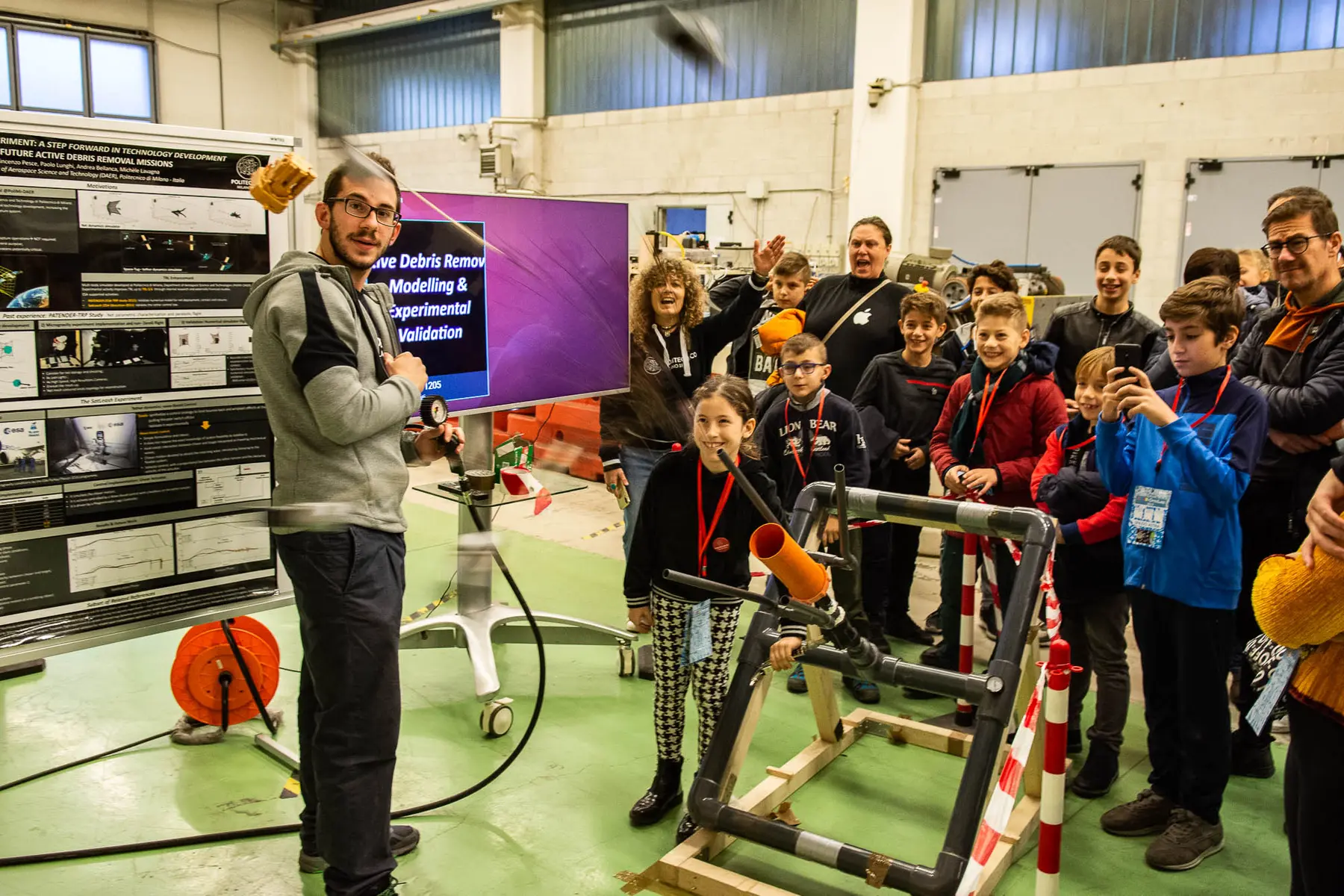
10/11/2018
2018 DAER OPENLABS